 Text
Text  Book
Book  Call
Call 


If you are looking for laser hair removal on the face, you probably want one clear thing: smoother skin without constantly removing the same hair again and again. Our laser hair removal in Bellevue treatments offer a longer-lasting solution because they target the hair follicle beneath the surface, not just the hair you can see. Whether you're treating facial hair or larger body areas, our advanced laser technology is designed to deliver safe, effective, and long-lasting hair reduction.
According to the Mayo Clinic, laser hair removal uses laser light to damage hair follicles and reduce future hair growth. It can treat unwanted hair on many areas of the body, including the face, when performed with the right technique and safety measures.
📋What You’ll Learn From This Article
By the end of this guide, you will understand how facial hair removal works and what to expect before you get laser treatment. You will learn:
- How laser hair removal works on delicate facial skin
- Which areas of the face can be treated
- Why skin tone and hair color matter
- How many sessions you may need
- What affects laser hair removal cost
- 9 tips to help you get the best results
- What side effects are normal, and what risks to avoid
- When to compare laser or electrolysis
- Why provider skill matters for hair removal on the face
How Facial Laser Hair Removal Works?
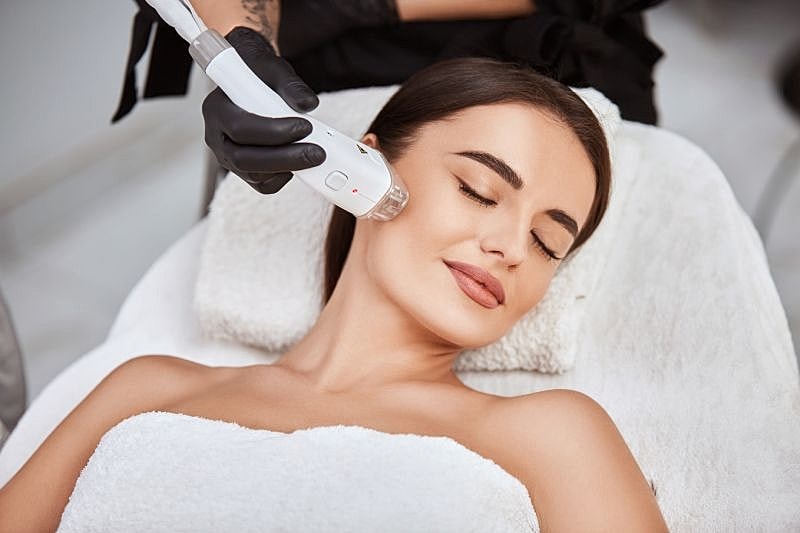
Laser hair removal works differently from shaving, waxing, threading, and tweezing. Those removal methods, like shaving or pulling the visible hair, do not stop hair from growing from the follicle. That is why hair grows back.
Laser technology targets the source. The laser sends focused light into the skin, where pigment in the hair absorbs the energy. That laser energy is converted into heat, damaging the hair follicle. When the follicle gets enough controlled heat, it becomes less able to produce new hair.
Laser hair removal works best when there is a strong contrast between skin and hair. This often means lighter skin and dark hair, but newer laser options can treat a wider range of skin tones when the provider uses the correct settings. The American Academy of Dermatology notes that advances in laser technology now allow most people to safely consider laser hair removal, though the right device and provider still matter.
How Laser Technology Targets Hair
Laser targets pigment, also called melanin, inside the hair. Darker hair usually absorbs laser light better than lighter hair. That is why coarse hair on the upper lip, chin, sideburns, and jawline often responds better than fine hair.
The laser treatment does not remove every hair in one visit. Hair grows in cycles, and the laser works best when the hair is in the active growth phase. Since not all facial hair grows at the same time, laser hair removal requires a series of sessions.
You may notice treated hair shedding after treatment. This can look like hair is still growing, but it is often the treated hair pushing out of the follicle. This is normal.
Why Facial Hair Requires a Specialized Approach
Facial skin needs care. It is more visible, more sensitive, and more exposed to the sun than many other areas. A setting that works on the legs may not be right for the upper lip or chin.
Your provider should examine your skin and hair, ask about your health history, review your recent sun exposure, and explain what results you can realistically expect.
Areas of the Face That Can Be Treated
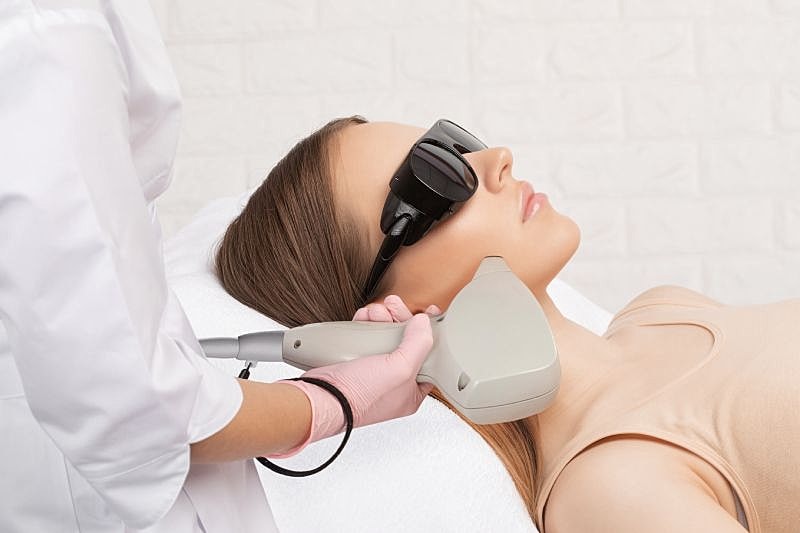
Facial laser hair removal can treat several areas, but each area needs a different plan. Hair density, hair thickness, skin sensitivity, and your goals all shape the treatment.
Some people want to treat one small area, like the upper lip. Others want full-face laser hair removal because unwanted facial hair appears across the cheeks, jawline, chin, and neck.
Common Treatment Zones
The most common facial laser hair removal areas include:
- Upper lip
- Chin
- Jawline
- Sideburns
- Cheeks
- Under the chin
- Front of the neck
The upper lip usually heals quickly because the area is small. Chin and jawline hair may require more sessions because these areas can be hormone-sensitive. Sideburns and cheeks may also respond well when the hair is dark enough for the laser to target.
Who Is an Ideal Candidate for Facial Laser Hair Removal in Bellevue?
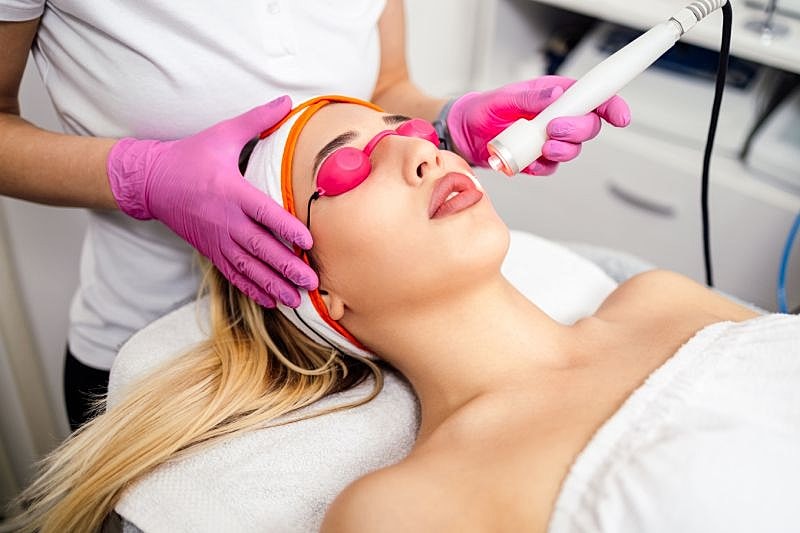
Laser hair removal is right for many people, but not everyone responds the same way. Your skin tone and hair color make a big difference.
The best results usually happen when the hair is darker than the surrounding skin. That contrast allows the laser energy to effectively target the hair follicle while protecting the surrounding skin.
Skin Tone and Hair Color
Skin and dark hair contrast often gives the strongest result. Dark hair absorbs more laser light, which helps damage the hair follicle. Lighter hair may not absorb enough energy to respond well.
For deeper skin tones, the type of laser matters. Research published in the Journal of Drugs in Dermatology notes that longer-wavelength Nd:YAG lasers are considered safer for darker skin tones when used with appropriate settings and cooling.
This does not mean darker skin cannot get laser hair removal. It means you need a provider who understands skin and hair differences, device settings, cooling, and pigment risk.
Medical and Hormonal Considerations
Hormonal hair growth can affect your results. PCOS, pregnancy-related hormonal changes, menopause, and some medications may increase facial hair growth.
If excessive hair growth appears suddenly, worsens quickly, or is accompanied by other symptoms, talk with a medical provider. Laser treatment can reduce unwanted hair, but it does not diagnose the cause of new or excessive hair.
Your provider should ask about your health, recent tanning, skincare products, medications, and past reactions to laser treatment.
Benefits of Facial Laser Hair Removal
Laser hair removal can improve how your skin feels day to day, especially if traditional hair removal methods leave bumps, cuts, or redness.
How Laser Hair Removal Compares to Common Methods
| Hair Removal Method | How It Works | Typical Result | Main Limitation |
|---|---|---|---|
| Shaving | Cuts hair at the surface | Fast, short-term smoothness | Hair grows back quickly |
| Waxing | Pulls hair from the root | Smooth for longer than shaving | Can irritate skin and must wait for regrowth |
| Threading | Removes hair with twisted thread | Precise shaping | Can cause redness and discomfort |
| Tweezing | Pulls individual hairs | Good for a few hairs | Slow and not ideal for larger areas |
| Laser hair removal | Uses laser energy to damage the hair follicle | Long-term hair reduction | Requires multiple sessions |
| Electrolysis | Treats individual follicles with electrical current | Can be permanent for treated follicles | Often slower for larger areas |
Laser hair removal reduces hair growth over time. It can also reduce the need for daily or weekly upkeep. For many people, the upfront cost is higher, but the long-term time saved makes the treatment worth considering.
9 Expert Tips for Silky, Long Lasting Results
Results depend on more than the laser. Your habits before and after each laser hair removal session matter a lot.
Tip 1: Avoid Sun Exposure Before Treatment
Sun exposure increases your risk of skin irritation and changes in skin color. The Mayo Clinic notes that skin color changes can occur after laser hair removal, especially when the treated skin is exposed to the sun before or after treatment.
Stay out of direct sun when possible. Wear SPF daily. Avoid tanning beds and self-tanner before treatment.
Tip 2: Shave, Do Not Wax or Pluck
Shaving is usually recommended before treatment because it keeps the hair follicle intact. Waxing and plucking remove the follicle target, which makes laser treatment less effective.
The laser requires the root structure to be present to damage the hair follicle. If you wax before your appointment, the laser may have little to target.
Tip 3: Follow a Consistent Treatment Schedule
Hair grows in cycles. Skipping appointments can slow your progress because the laser may miss hairs during the best growth phase.
Your provider will recommend timing based on your treatment area and hair growth pattern. Stick with that schedule as closely as possible.
Tip 4: Choose an Experienced Provider
Facial hair removal needs precision. The face has curves, sensitive zones, and areas where pigment changes are more noticeable.
Choose a provider who understands laser settings, facial anatomy, skin tone, hair color, and aftercare. This can lower the risk of burns, irritation, and uneven results.
Tip 5: Be Patient With Hair Growth Cycles
Laser hair removal may not yield dramatic results after a single session. You may first see shedding, slower growth, or finer regrowth.
That is normal. Laser hair removal reduces future hair growth gradually because hair grows in different phases.
Tip 6: Use Gentle Skincare After Treatment
Your skin may feel warm, pink, or sensitive after treatment. Avoid strong acids, retinoids, scrubs, and harsh exfoliation until your provider says it is safe.
Use a gentle cleanser, moisturizer, and SPF. Keep it simple.
Tip 7: Avoid Heat and Sweating Right After
Skip hot yoga, saunas, steam rooms, intense workouts, and hot showers for at least 24 hours, or as instructed.
Heat can increase redness and irritation. Your skin needs time to calm down.
Tip 8: Protect Skin With SPF Daily
SPF is not optional after facial laser hair removal. Treated skin can be more sensitive to sunlight.
Use a broad-spectrum sunscreen every morning, even in Bellevue’s cloudy weather. UV exposure still reaches your skin.
Tip 9: Plan for Maintenance Sessions
Laser hair removal offers long-term hair reduction, not always total permanent hair removal. Some hair may grow back finer and lighter.
Maintenance sessions help manage future hair growth, especially on hormone-sensitive areas like the chin and jawline.
What to Expect During Each Appointment
A facial laser hair removal treatment is usually quick, but the process should still feel thoughtful and medically guided.
Your provider should explain what they are doing, why they selected certain settings, and what you should expect after treatment.
Before the Session
Your skin will be assessed. Your provider may ask about sun exposure, medications, recent skincare treatments, and past laser experiences.
You should arrive with clean skin and no makeup on the treatment area. You may also be asked to shave the area before your visit.
During the Treatment
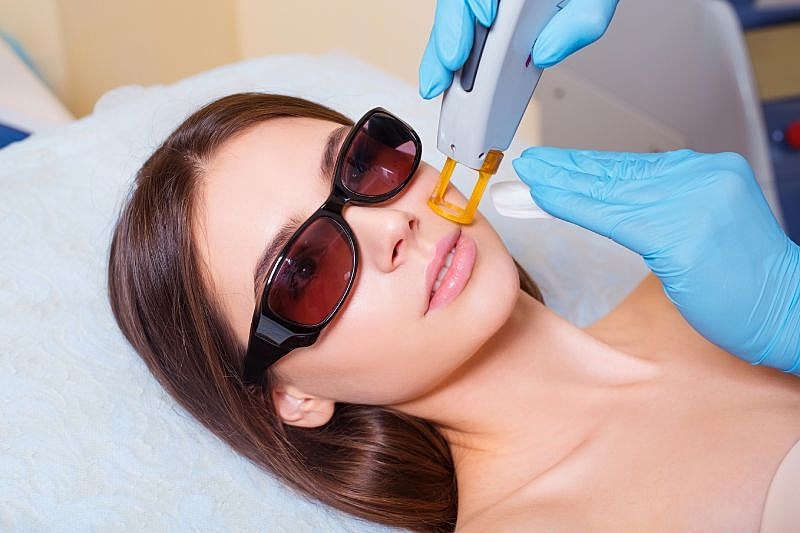
You may feel quick laser pulses that feel like a warm snap against the skin. Some areas, like the upper lip, can feel more sensitive because the skin is thinner.
Most facial treatments take only a short time. A small upper-lip session may take minutes, while full-face laser hair removal takes longer.
Aftercare and Recovery
Mild redness, swelling, and sensitivity can happen after treatment. Laser hair removal is usually safe, but possible side effects include burns, scars, or permanent skin discoloration, which is why proper technique matters.
Most patients return to normal activities quickly. Still, you should avoid heat, harsh skincare products, and sun exposure immediately after treatment.
How Many Laser Hair Removal Sessions Will You Need?
Laser hair removal requires multiple appointments because hair grows in cycles. One session cannot catch every hair at the right time.
Most people need a series of treatments for visible hair reduction. The American Academy of Dermatology says removing unwanted hair can take 6 or more sessions, and facial hair affected by hormones may require repeat treatments as hair regrows.
Hair Growth Phases Explained
Hair moves through three basic phases:
- Anagen: active growth phase, best stage for laser treatment
- Catagen: transition phase
- Telogen: resting phase
Laser hair removal works best during the active growth phase because the hair remains closely connected to the follicle.
Typical Treatment Timeline
Many patients need about 6 to 8 sessions. Some need more, depending on hair density, hair thickness, hormones, and how consistently they follow the schedule.
Facial hair may need maintenance because hormones can trigger new hair growth. This does not mean treatment failed. It means biology is still active.
Safety and Side Effects
Laser hair removal is common, but it is still a medical aesthetic procedure. You should treat it with the same care you would give any treatment that uses heat and energy on your skin.
The most common reactions include redness, mild swelling, warmth, and temporary sensitivity. These usually settle quickly.
Common Temporary Reactions
You may notice:
- Pinkness or redness
- Mild swelling around follicles
- Warmth
- Tenderness
- Slight itching as hair sheds
These symptoms usually improve within hours to a few days. Call your provider if discomfort worsens, blistering appears, or your skin looks burned.
Rare Risks
Rare risks include burns, blisters, scarring, and changes in skin color. Mayo Clinic notes that treated skin may become darker or lighter, and this risk can increase when patients do not avoid sun exposure before or after treatment.
Eye safety also matters during facial laser treatment. Protective eyewear should be used because laser light can be dangerous to the eyes.
How to Reduce Risk
Choose an experienced provider. Follow pre-care and after-care instructions. Be honest about tanning, medications, skincare products, and recent procedures.
Good results come from the right mix of technology, training, and patient care.
Why Choose Kucumber Skin Lounge in Bellevue
Kucumber Skin Lounge offers personalized facial laser hair removal tailored to your skin tone, hair type, and goals. Each treatment uses precise settings and advanced laser technology to balance results with skin safety. Led by Nadya and Shay, the focus remains on clear guidance, comfort, and long-term skin health, not just on hair removal.
Facial Laser Hair Removal FAQs
Is laser hair removal on the face safe?
Yes, laser hair removal on the face is generally safe when trained professionals use the correct settings for your skin tone and hair color. Your provider should also use eye protection and review your health history before treatment.
Does facial laser hair removal hurt?
Most patients describe it as a quick snapping or warm prickling feeling. The upper lip can feel more sensitive than other areas, but sessions are usually short.
Can laser hair removal treat peach fuzz?
Laser may treat some fine hair, but lighter hair does not respond as well because it has less pigment. If your hair is very light, your provider may discuss whether laser or electrolysis makes more sense.
Is there downtime after facial laser treatment?
Most people have little to no downtime. Mild redness or sensitivity can happen, but it usually fades quickly.
How much does laser hair removal on the face cost?
The cost of laser hair removal depends on the treatment area, number of sessions, hair thickness, and provider. A small area like the upper lip usually costs less than full-face laser hair removal.
Final Words
Facial hair can be frustrating, especially when shaving, waxing, or threading keeps causing irritation. Laser hair removal offers a longer-lasting way to reduce unwanted facial hair and make your skin easier to maintain.
The best results come from the right plan. Your skin tone, hair color, hair thickness, hormonal history, and treatment schedule all matter.
If you are considering facial laser hair removal in Bellevue, schedule a consultation at Kucumber Skin Lounge. A personalized treatment plan can help you reduce hair growth, protect your skin, and feel more confident in your daily routine.