 Text
Text  Book
Book  Call
Call 

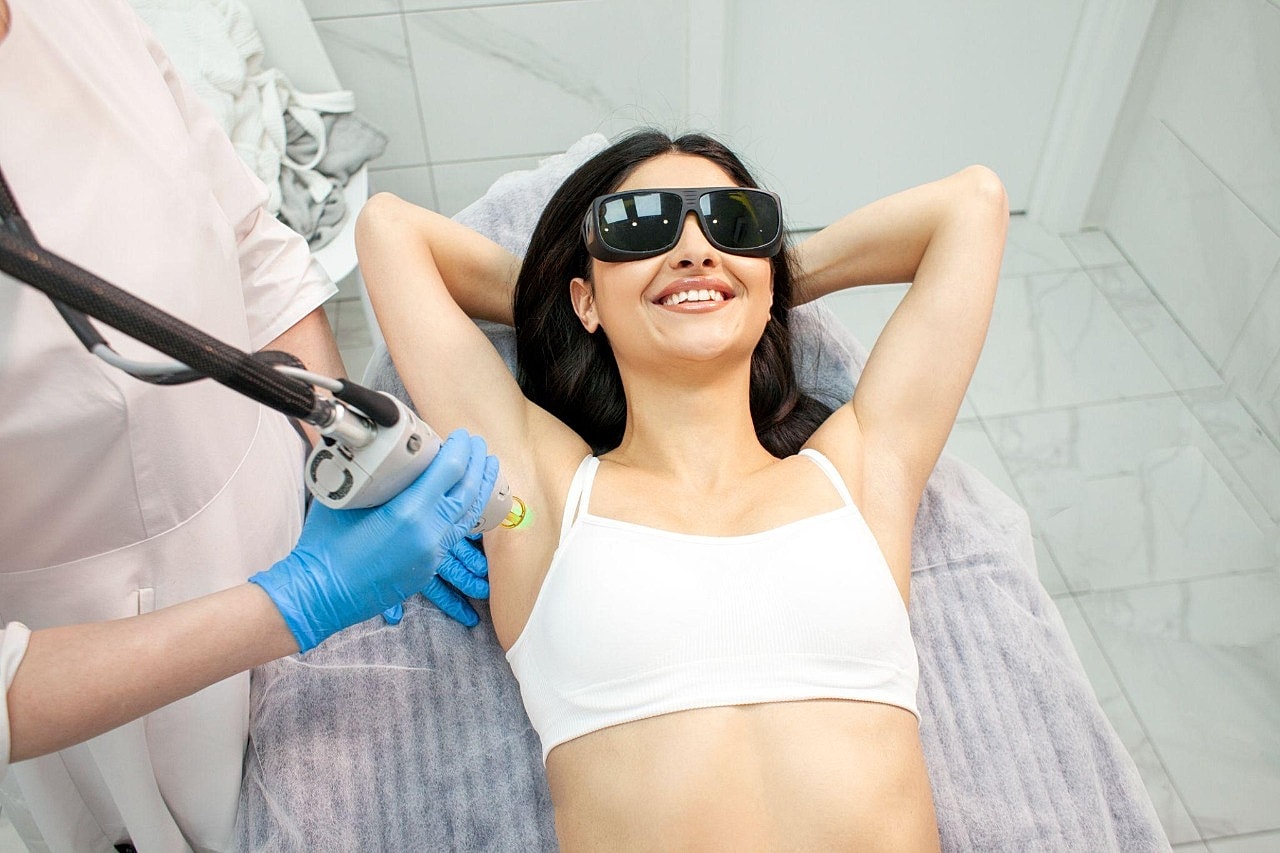
You shave in the morning, then notice stubble again by the next day. Waxing lasts longer, but the pulling, redness, and irritation can be hard to justify every few weeks. Laser hair removal offers a longer-lasting solution, but one concern often gets in the way: Is laser hair removal painful?
Laser hair removal in Bellevue may hurt a little, but most clients do not describe the pain as severe. Many say laser hair removal feels like a quick rubber band snap, a warm zap, or a small pinch that lasts for a fraction of a second. The sensation varies depending on the treatment area, your pain tolerance, hair thickness, skin tone, the laser device, and the cooling system.
Kucumber Skin Lounge provides personalized laser hair removal in Bellevue. The treatment team evaluates your skin and hair type, adjusts the laser settings, and uses cooling to make each laser treatment more comfortable.
What You’ll Learn From This Article
- What laser hair removal feels like during and after treatment
- Which areas of the body tend to feel more sensitive
- What factors affect the laser hair removal pain level
- How cooling and laser settings can improve comfort
- How to prepare before your appointment
- What side effects are considered normal
- How laser hair removal compares with shaving, waxing, and electrolysis
- What results Bellevue clients can realistically expect
What Does Laser Hair Removal Feel Like?
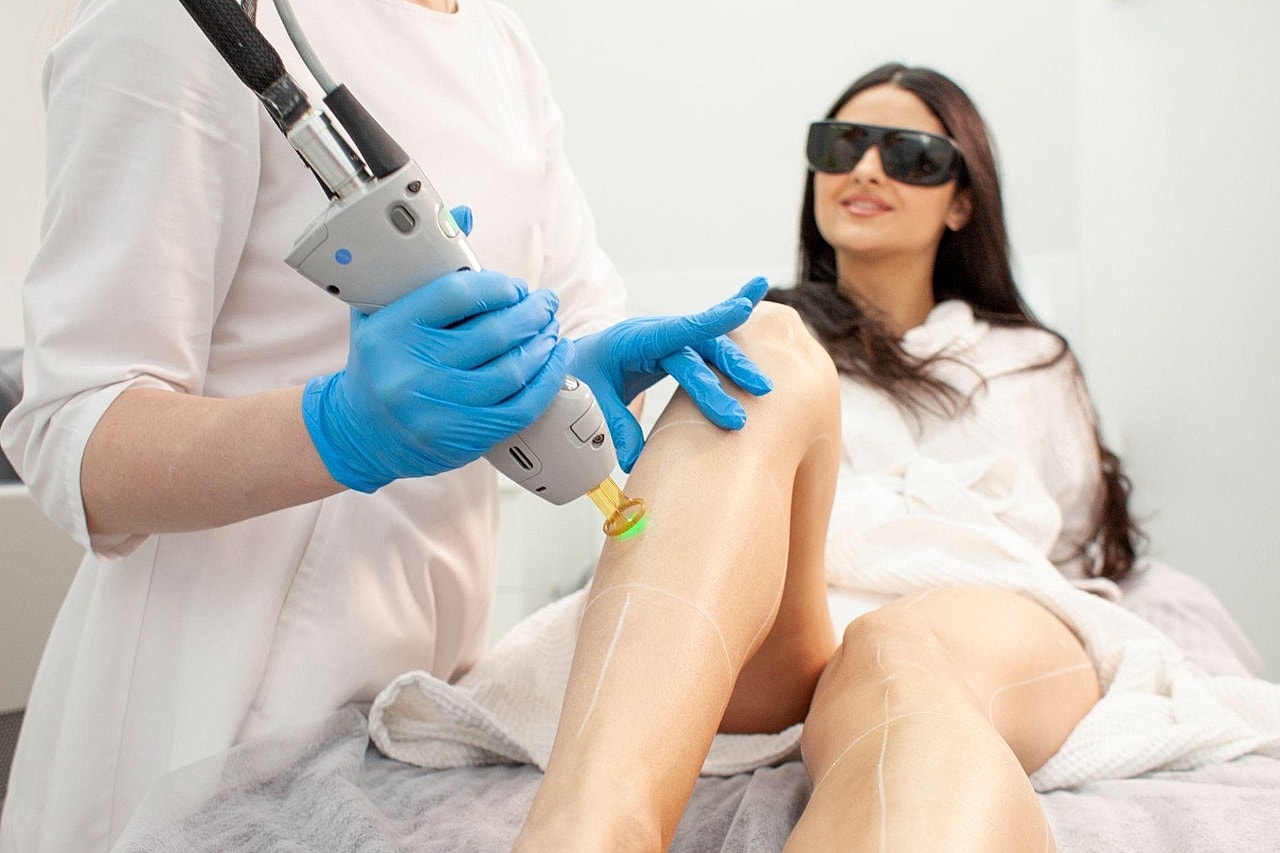
Laser hair removal works by sending a focused beam of light into the pigment inside each hair follicle. The pigment absorbs the laser energy, creating heat that helps damage the hair follicle and prevent or delay future hair growth.
That process creates a noticeable sensation, but it usually happens quickly.
The “Rubber Band Snap” Sensation
Most clients describe the pain as feeling like a rubber band snapping against the skin. Others compare it to a light zap, brief warmth, or a small pinching sensation.
Each pulse of light lasts for a fraction of a second. You may feel a snap, then the sensation stops before the next pulse begins. It does not usually feel like constant pain.
The phrase “like a rubber band” gets used often because it gives clients a fairly realistic idea of what to expect. Some areas feel softer, while sensitive areas can feel more like a sharp rubber band snap.
Discomfort Usually Stays in the Treatment Area
Laser hair removal pain usually stays within the treated area. The discomfort does not normally spread to other parts of the body.
After treatment, the skin may feel warm or tender. Mild redness can also appear around each follicle. The Mayo Clinic lists temporary irritation, redness, and swelling as common potential side effects.
Most reactions improve within a few hours. Sensitive skin may take a little longer to settle.
Your Pain Tolerance Matters
Pain feels different for everyone. A client with a high tolerance to pain may barely react, while someone who is sensitive to pain may need more breaks.
Your overall pain tolerance can also change from one appointment to the next. Poor sleep, stress, hormonal changes, anxiety, and recent skin irritation can all make you more sensitive.
Tell your provider how the laser feels during treatment. You do not need to stay quiet or push through severe pain. Clear feedback helps the provider minimize pain while protecting your skin.
Which Areas of the Body Hurt the Most?
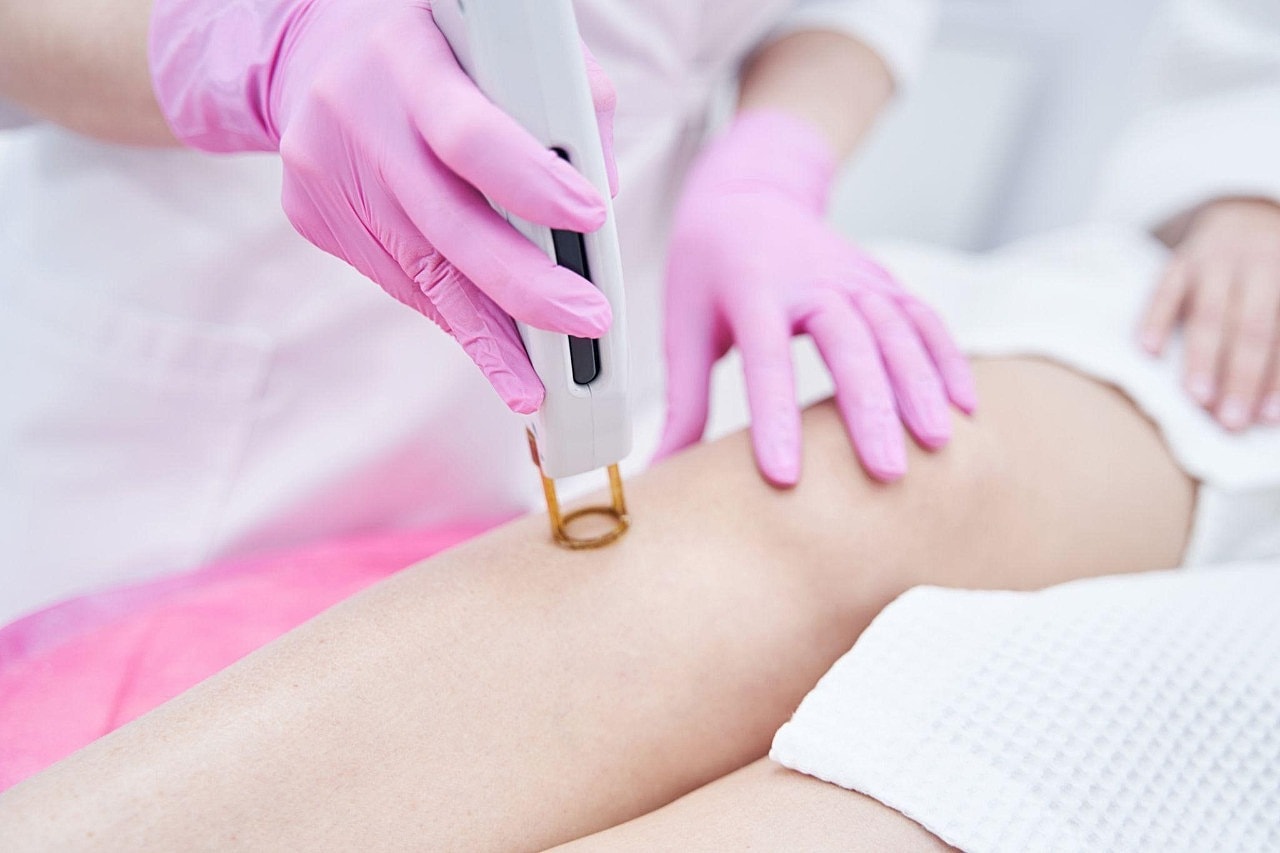
Not every part of the body feels the same during laser hair removal. Skin thickness, nerve concentration, hair density, and proximity to bone all affect the sensation.
The following areas generally fall into low, moderate, or higher sensitivity groups.
Areas That Are Often Less Painful
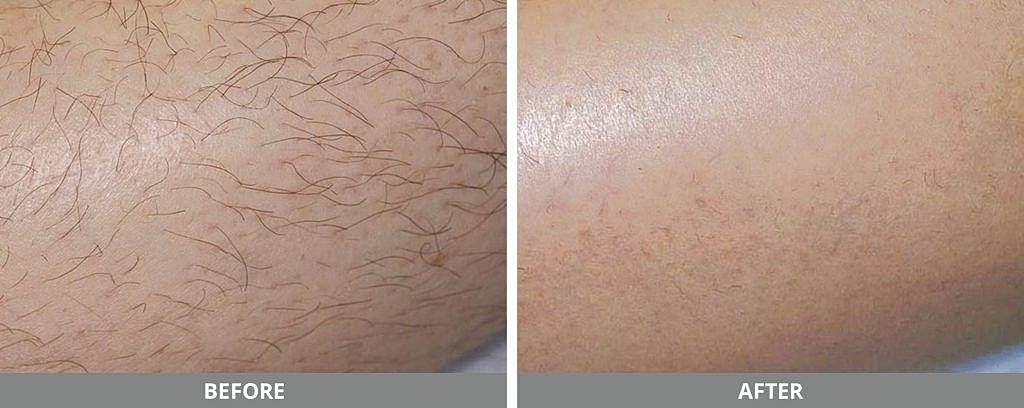
The lower legs, arms, stomach, cheeks, and forehead are often among the least painful areas to treat.
These areas tend to have broader surfaces and more tissue between the skin and bone. They may still feel warm or prickly, especially when dark hair grows densely.
Some clients say treatment in these areas barely hurts. Others still notice each pulse but find the sensation easy to tolerate.
Areas With Moderate Sensitivity
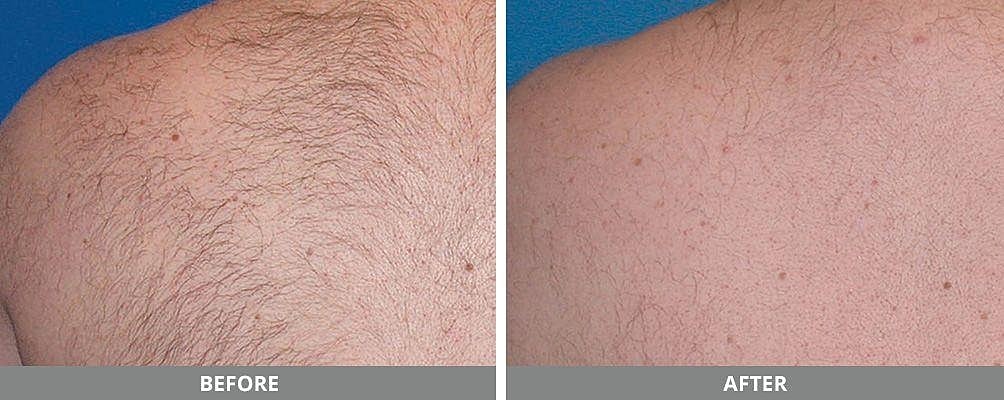
The back, chest, neck, upper legs, and jawline usually create mild to moderate discomfort.
Hair density matters here. Coarse hair absorbs more laser energy, which can make early hair removal treatments feel sharper.
The jawline can also feel more sensitive because facial hair often grows thick and close together.
Areas That May Hurt More
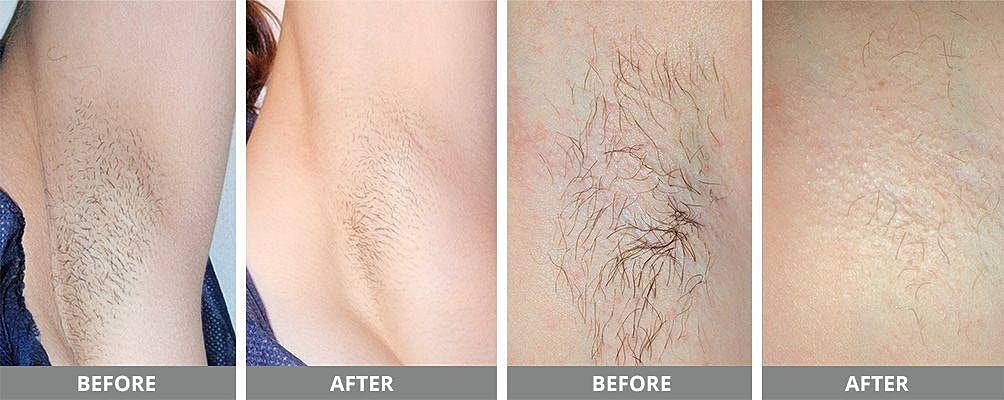
The upper lip, underarms, bikini line, Brazilian area, ankles, and other bony areas often rank among the more painful areas.
The skin may be thinner in these locations. Hair can also be coarse and densely packed, especially around the underarms and bikini line.
Healthline notes that the upper lip can feel more sensitive because the skin is thinner than in areas such as the cheeks and forehead. Still, treatment on the upper lip only takes a few minutes.
|
Treatment area |
Typical discomfort |
Why it may feel different |
|---|---|---|
|
Arms and lower legs |
Mild to moderate |
Thicker skin and a broad surface |
|
Back and chest |
Mild to moderate |
Sensation changes with hair density |
|
Underarms |
Moderate |
Thin skin and coarse hair |
|
Upper lip |
Moderate to strong |
Thin skin and concentrated nerves |
|
Bikini line |
Moderate to strong |
Dense, coarse hair and sensitive skin |
Note: This table provides general guidance. Your own tolerance to pain may be different.
What Bellevue Clients Often Say About Laser Hair Removal
Many first-time clients expect laser hair removal to hurt much more than it actually does. The sound of the laser hair removal machines and the idea of heat reaching the follicle can make the appointment feel intimidating before it even starts.
Once treatment begins, the quick pulses often feel more manageable than expected.
The Fear Can Feel Worse Than the Treatment
Clients sometimes tense up before the first zap. After a few pulses, they realize that each snap ends almost immediately.
Small areas may take only a few minutes. Underarms can take around 10 to 15 minutes, while larger areas of the body may take longer.
The appointment often feels easier once you know exactly what each pulse feels like.
Communication Makes Treatment More Comfortable
Your provider should explain the treatment before starting. They should also check your skin, review your medical history, and ask about recent sun exposure.
During the session, the provider can pause, slow the pace, or check the treated area if the sensation becomes stronger than expected.
Good communication does not make laser hair removal painless, but it can make the experience calmer and less stressful.
Provider Skill Affects the Experience
Kucumber Skin Lounge has published client feedback mentioning providers checking comfort during laser hair removal treatments.
That matters because the type of laser, pulse duration, laser energy, cooling, and treatment speed all affect the way laser hair removal feels.
A trained provider does not use the same setting on every client. The settings should match your skin and hair, treatment history, and current skin response.
What Determines How Much Laser Hair Removal Hurts?
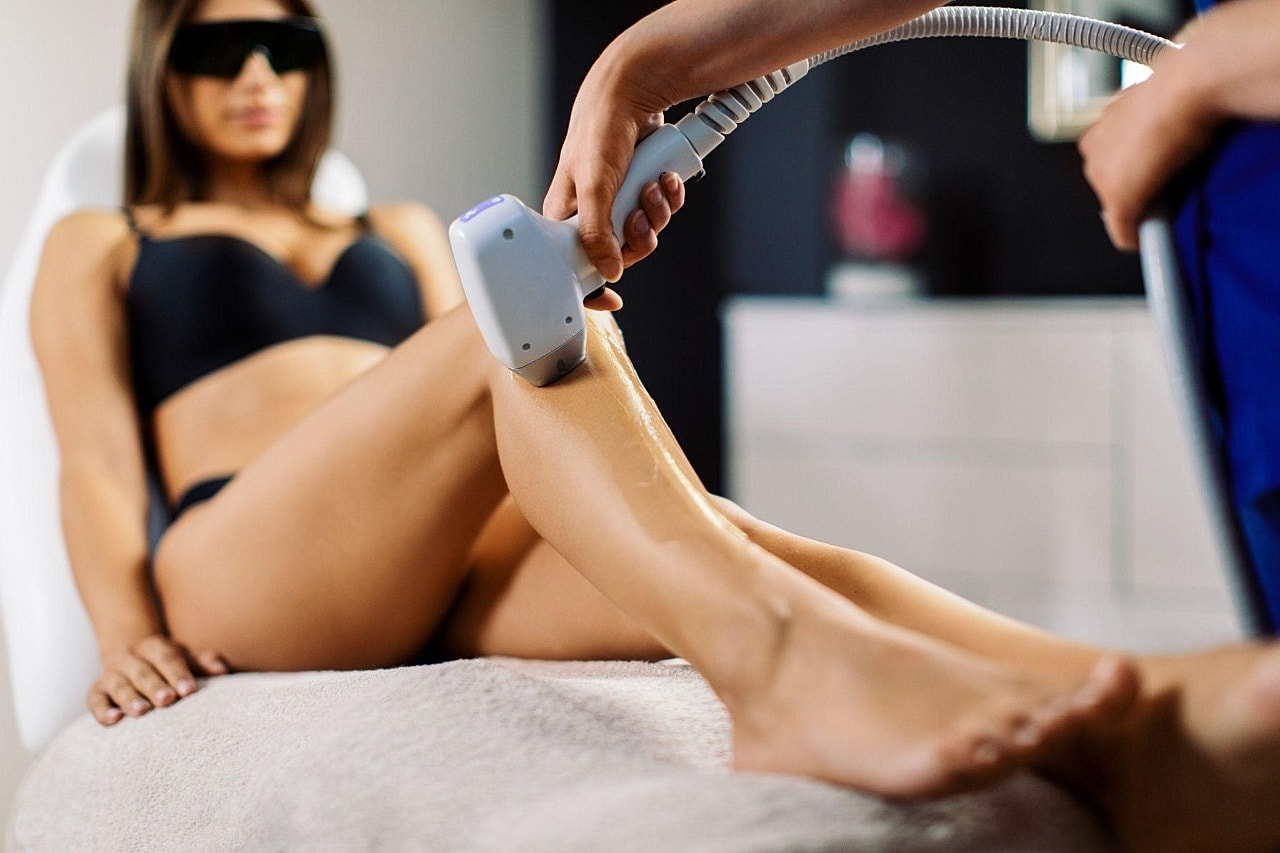
Several factors affect whether the treatment feels mild, moderate, or sharp. Understanding these factors can help you prepare for the appointment.
Hair Color, Thickness, and Density
Dark hair contains more pigment, which gives the laser a stronger target. Coarse hair may absorb more laser energy than fine hair.
That can make the snap feel stronger, especially during early sessions when the hair grows back thick and dense.
As the treatments continue, new hair may grow finer and lighter. Many clients report that later appointments feel less painful because there is less dense hair for the laser to target.
Skin Tone and Type of Laser
The provider must choose a type of laser that fits your skin and hair type.
Kucumber Skin Lounge uses Alexandrite and 1064 Nd:YAG laser technology. These wavelengths allow the provider to adjust treatment based on pigment, skin tone, and hair characteristics.
The 1064 Nd:YAG wavelength is often used for melanin-rich skin because it reaches deeper while reducing the amount of energy absorbed near the skin surface. Proper settings still matter.
Laser hair removal devices do not work safely just because they use advanced technology. Provider training and skin assessment remain essential.
Treatment Area and Session Length
A small treatment area may feel sharper, but the session can end quickly. Larger areas may feel milder per pulse, yet the repeated sensation can become tiring over time.
The upper lip or chin may take only a few minutes. Underarms often take around 10 to 15 minutes. Larger areas, such as the back or full legs, can take 30 to 60 minutes.
Treatment time depends on the laser device, body area, hair density, and treatment plan.
Skin Sensitivity and Recent Irritation
Razor burn, dry skin, active irritation, and recent use of strong exfoliating products can make treatment more uncomfortable.
Your skin may also react more strongly after tanning or heavy sun exposure.
Tell your provider about any recent changes. The appointment may need to be adjusted or rescheduled if the skin appears irritated.
How Kucumber Helps Make Laser Hair Removal More Comfortable
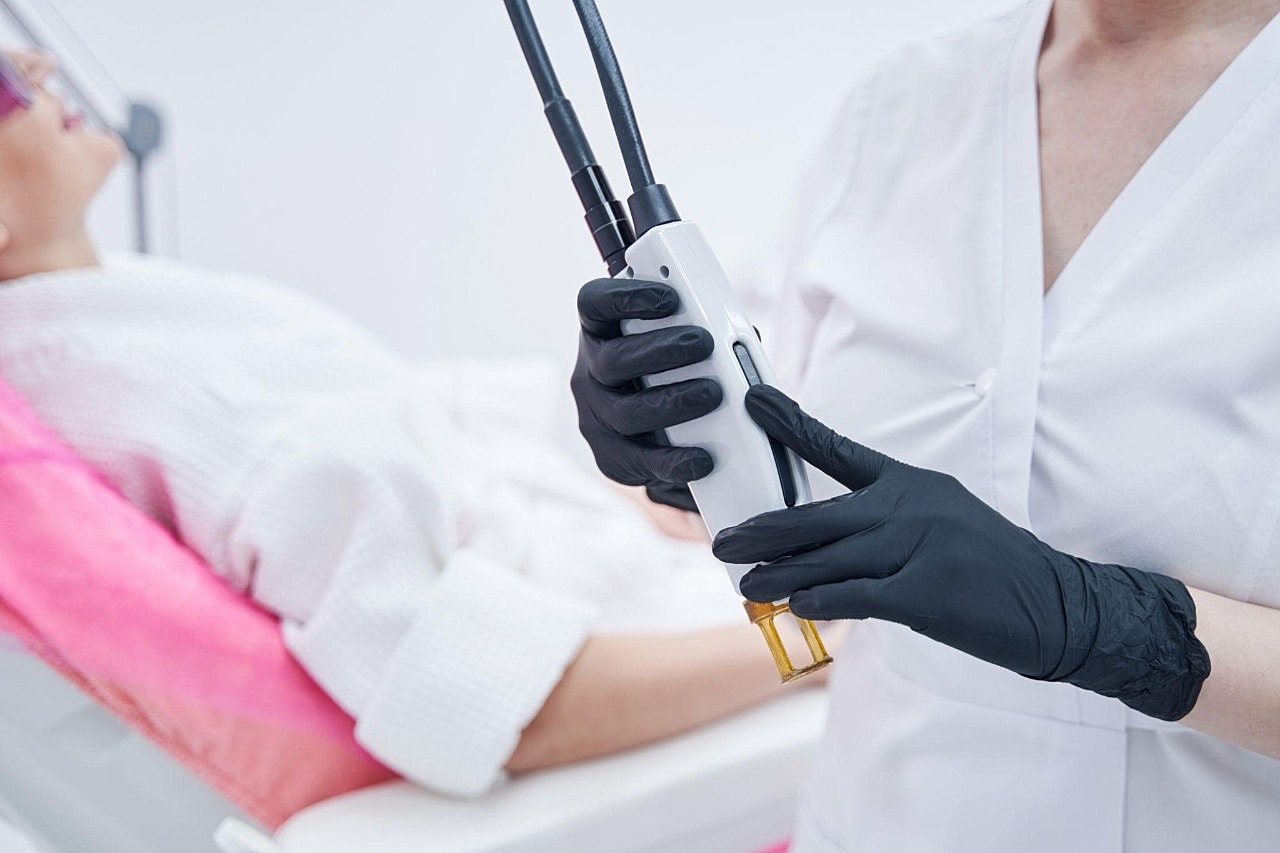
Comfort starts with planning. Kucumber Skin Lounge does not treat every client with the same laser settings.
The treatment process begins with a consultation and skin assessment.
Personalized Consultation
Your provider reviews your skin tone, hair color, hair density, medications, sensitivity, and recent sun exposure.
They also discuss the number of treatments you may need, the likely sensation, potential side effects, and realistic long-term results.
A complimentary consultation gives you time to ask whether laser hair removal may hurt on your chosen treatment area.
Dual Wavelength Laser Technology
Alexandrite and 1064 Nd:YAG wavelengths allow the provider to choose settings that fit different skin and hair combinations.
Alexandrite lasers often work well when there is a strong contrast between lighter skin and dark hair. Nd:YAG technology gives providers another option for deeper skin tones.
At Kucumber Skin Lounge, we use dual-wavelength laser technology to treat a broader range of skin tones and hair characteristics. The 1064 Nd:YAG wavelength offers an appropriate option for many clients with melanin-rich skin, while Alexandrite technology can effectively target suitable pigmented hair. This personalized approach supports safe, comfortable treatment and long-term hair reduction.
The laser targets pigment in the hair rather than simply heating the surrounding skin. White, gray, very light blonde, and some red hair may not respond well because they contain too little pigment for the laser to target effectively.
Built-In Cooling
Cooling technology helps protect the surrounding skin and reduce heat during each laser pulse. You may feel cooling before or after the zap, depending on the laser device. This can make the rubber band snap sensation easier to tolerate.
Cooling does not guarantee that the treatment will not hurt, but it often makes it less painful.
Numbing Cream When Appropriate
Some clients ask about numbing cream for the upper lip, bikini line, or other sensitive areas.
A medical professional may recommend it in selected cases. Do not apply a large amount without instructions.
Topical anesthetics can cause serious side effects when used improperly, especially over large areas or beneath airtight coverings.
How to Prepare for Laser Hair Removal
Proper preparation supports both comfort and safety. Your provider will give instructions based on the treatment area and your skin.
Shave Before Your Appointment
Shaving removes hair above the skin while keeping the hair follicle in place. This allows the focused beam of light to reach the pigment below the surface.
Long surface hair may absorb extra energy and create more heat. Shave according to the timing given by your provider.
Do not wax, tweeze, or thread before treatment. These hair removal methods remove the follicle target that the laser needs.
Avoid Sun Exposure
Avoid sun exposure, tanning beds, and self-tanner before treatment. Tanned skin contains more pigment, which can increase the risk of irritation, burns, or changes in skin color.
Use broad-spectrum sunscreen on exposed areas, even during cloudy Bellevue weather.
Pause Irritating Skin Products When Directed
Retinoids, exfoliating acids, scrubs, and other strong products may increase sensitivity.
Your provider may ask you to pause them before treatment. Follow their directions, but do not stop prescription medication without speaking to the clinician who prescribed it.
Arrive With Clean Skin
Remove lotions, oils, deodorant, fragrance, and makeup from the treated area unless your provider tells you otherwise.
Clean skin makes it easier to inspect the area and perform the treatment safely.
Report active rashes, cold sores, infections, recent procedures, or changes in medication before you get laser hair removal.
What Happens During a Laser Hair Removal Appointment?
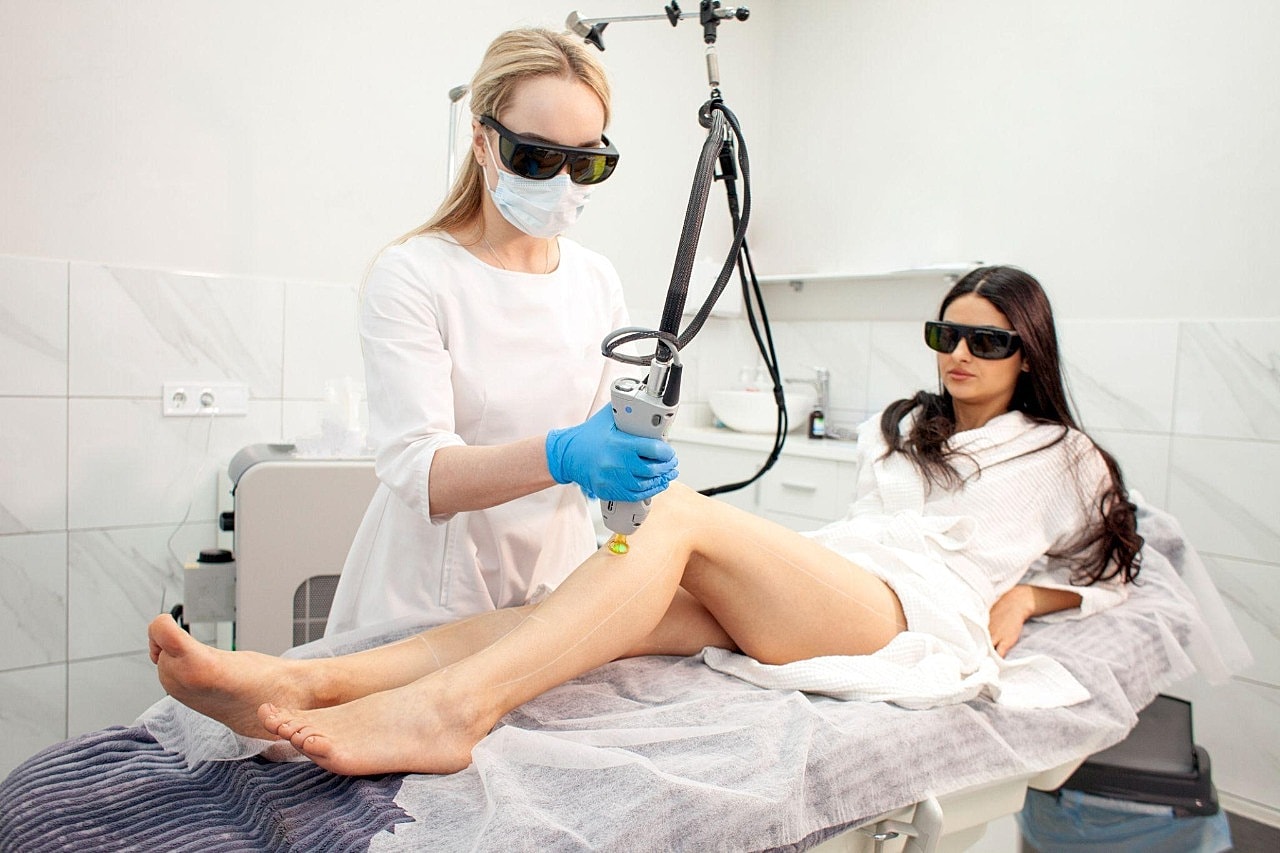
Knowing what happens during the session can reduce anxiety. The process usually follows a simple sequence.
Skin Check and Protective Eyewear
The provider examines the treatment area and confirms that the skin is safe to treat.
You and the provider wear protective eyewear. Larger areas may be marked into sections to help maintain even coverage.
Test Pulse and Setting Selection
The provider may perform a test pulse before treating the full area.
A test pulse can show how the skin responds to the laser energy. The provider may then adjust the settings based on redness, heat, comfort, and past treatment results.
Laser Treatment
The laser device sends a pulse of light into each section of skin. You may feel a zap or rubber band snap with each pulse.
Cooling helps protect the surrounding skin. The handpiece then moves to the next section.
Speak up if the sensation suddenly becomes much stronger. Severe burning pain is not something you should ignore.
Immediate Skin Check
After treatment, the provider checks the skin for redness, swelling, tenderness, and any unexpected reaction.
You will also receive aftercare instructions before leaving.
Does Laser Hair Removal Hurt After Treatment?
Mild pain and tenderness can occur after treatment, but most reactions stay manageable. The treated area may feel warm, look red, or develop small raised bumps around the follicles.
Normal Short-Term Reactions
Common reactions include:
- Mild redness
- Warmth
- Temporary tenderness
- Swelling around each follicle
- Minor itching
These effects usually improve within several hours.
How to Calm the Skin
Use a cool compress if your provider recommends one. Apply gentle, fragrance-free skin care. Avoid scratching, rubbing, or exfoliating the treated area.
Wear loose clothing if the bikini line, underarms, or another friction-prone area has been treated.
What to Avoid
Avoid the following for about 24 hours or as directed:
- Hot tubs
- Saunas
- Very hot showers
- Intense exercise
- Direct sun exposure
- Tight clothing over the treated skin
Extra heat can increase redness and irritation.
When to Call Your Provider
Contact the clinic if you develop:
- Increasing pain
- Blisters
- Crusting
- Significant swelling
- Persistent changes in skin color
- Drainage or signs of infection
These reactions are uncommon, but they need professional assessment.
Is Laser Hair Removal More Painful Than Other Hair Removal Methods?
Pain is only one part of choosing a hair removal method. You should also consider regrowth, irritation, treatment time, cost, and long-term results.
|
Hair Removal Method |
Typical Sensation |
Regrowth and Maintenance |
Best Suited For |
|---|---|---|---|
|
Laser hair removal |
Quick snaps, warmth, or a rubber band sensation with each pulse |
Requires a series of treatments and may need occasional maintenance, but it supports long-term hair reduction |
Clients who want less shaving, fewer ingrown hairs, and reduced future hair growth |
|
Waxing |
Strong stinging or pulling as many hairs are removed at once |
Hair usually returns within several weeks, so regular appointments are needed |
Clients who want temporary smoothness without using a laser |
|
Shaving |
Usually painless when done carefully, but cuts and razor burn can occur |
Hair may return within one or two days, requiring frequent upkeep |
Clients who want a quick and inexpensive option |
|
Electrolysis |
Repeated pinching or stinging as each follicle is treated individually |
Requires multiple sessions and can take longer on large areas |
Clients with light hair that may not respond well to laser treatment |
Your best option depends on your skin and hair type, treatment area, pain tolerance, budget, and long term goals.
What Results Can Bellevue Clients Expect?
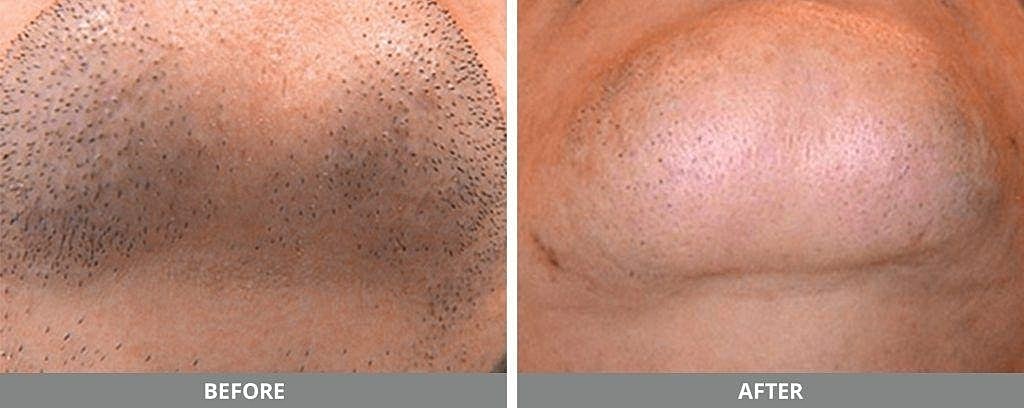
Laser hair removal works over a series of appointments because hair does not grow in one single cycle.
The laser targets hair most effectively during the active growth stage.
Why One Treatment Is Not Enough
Only a portion of your hair follicles stay active at one time.
Other follicles remain dormant and produce new hair later. Multiple sessions allow the laser to target those follicles as they enter the active stage.
When Hair Will Fall Out
Treated hair may look like it is still growing for several days. In many cases, the hair will fall or shed over the next one to three weeks. Do not tweeze it out.
Gentle washing and normal skin shedding will help release the treated hairs.
Long-Term Hair Reduction
Kucumber reports that many clients need around six to nine sessions. The exact number depends on skin tone, hair density, hormones, treatment area, and appointment timing.
Hair that returns may grow finer, lighter, and less dense.
Maintenance treatments may be needed because hormones and dormant follicles can contribute to future hair growth.
Realistic Expectations
Laser hair removal does not guarantee that every hair will disappear permanently.
The correct medical description is long-term hair reduction.
White, gray, very light blonde, and some red hair may respond poorly because they contain less pigment for the laser to target.
Frequently Asked Questions
1. Is Laser Hair Removal Painful for First-Time Clients?
The first session may feel more intense because the sensation is unfamiliar. Most people describe a quick snap, zap, or warmth rather than severe pain. Your provider can adjust pacing, cooling, and settings based on your skin response.
2. What Is the Most Painful Part of the Body?
The upper lip, bikini line, Brazilian area, underarms, and ankles often feel more sensitive. These areas may have thin skin, coarse hair, more nerves, or less tissue over the bone.
3. Does Laser Hair Removal Hurt More With Thick Hair?
Dark, coarse hair may absorb more laser energy and create a stronger snap. The treatment may feel easier over time as the hair becomes finer and less dense.
4. Can I Use Numbing Cream?
You may use numbing cream only when your provider recommends it. Do not apply a large amount or cover a wide area without medical instructions.
5. Does Laser Hair Removal Hurt on Dark Skin?
Pain does not depend on skin tone alone. The provider must use the right type of laser, safe settings, cooling, and proper technique. Kucumber offers 1064 Nd:YAG laser treatments for suitable clients with melanin-rich skin.
6. Is At-Home Laser Hair Removal Painless?
At-home laser devices usually use lower energy than professional laser hair removal machines. They may feel milder, but they also require careful use and may not produce the same results. Some products sold as at-home laser devices actually use intense pulsed light rather than a medical laser.
Is Laser Hair Removal Worth It?
Laser hair removal may hurt briefly, but most clients describe it as manageable. The sensation usually feels like a rubber band snapping, quick warmth, or a small zap that ends within a fraction of a second.
Sensitive areas such as the upper lip, underarms, and bikini line may feel sharper. Arms, lower legs, cheeks, and forehead often feel easier.
Kucumber Skin Lounge uses personalized settings, dual-wavelength laser technology, cooling, and careful skin assessment to make treatment more comfortable. Schedule a consultation at the Bellevue location to discuss your skin and hair type, treatment goals, pain concerns, expected results, and appointment plan.