 Text
Text  Book
Book  Call
Call 



Facial aging is not always about one deep line or one area that suddenly needs filler. Sometimes the change is more subtle. Cheeks look a little flatter, skin feels less firm, or the face starts to lose some of the structure that once made it look rested and balanced.
For Bellevue patients who want gradual, natural-looking improvement, Sculptra treatment offers a different approach. Sculptra is an injectable made with poly L lactic acid, or PLLA. Instead of creating its full effect through immediate volume, it helps stimulate collagen production over time.
At Kucumber Skin Lounge, that gradual approach fits naturally with personalized aesthetic planning. The goal is not to change your features. It is to understand what has changed, what matters to you, and which treatment may support a refreshed, confident appearance.
📋What You'll Learn From This Article
- How Sculptra works differently from traditional dermal fillers
- What poly L lactic acid does after injection
- Which facial concerns may be considered for Sculptra
- How many treatment sessions may be recommended
- What to expect from redness, bruising, tenderness, and recovery
- Who may need to avoid or postpone treatment
- How a Bellevue consultation can help shape a personalized treatment plan
What Is Sculptra Treatment?
Sculptra is an injectable treatment made with poly L lactic acid, commonly shortened to PLLA. It falls under the broader category of injectable fillers, but it doesn't behave like a typical hyaluronic acid filler.
Traditional dermal fillers primarily work by placing a gel beneath the skin to restore volume, soften certain folds, or adjust facial contours. The result is usually visible soon after treatment.
Sculptra works more gradually. PLLA particles stimulate a tissue response that encourages new collagen formation. That means the treated area can develop more support over time rather than depending only on the volume of the injected product itself.
A clinical review published by the National Center for Biotechnology Information explains that PLLA is a biocompatible, biodegradable material used to restore facial volume and stimulate collagen formation. It also describes its use for facial wrinkles and folds, including nasolabial folds, within appropriate indications.
That difference between immediate filling and gradual collagen support is one of the main reasons patients compare Sculptra with other injectables.
How Sculptra Supports Natural Collagen Production

Collagen provides structure and support within the skin. As collagen changes with age, facial tissues can gradually lose firmness and volume.
After a Sculptra injection, some patients notice fullness right away. That early change is not the final result. Part of it can come from the sterile water used to prepare the product, along with temporary swelling at the injection site.
As that initial fullness settles, PLLA particles remain in the tissue and stimulate activity involving cells such as fibroblasts. Over time, this process can encourage new collagen production.
This is why Sculptra is often described as a collagen-stimulating injectable rather than simply another filler.
A 2025 retrospective study used three-dimensional imaging to examine facial changes two years after PLLA treatment in 28 women. The researchers reported measurable soft tissue volume changes along with improvements in facial firmness and contour. Because this was a small retrospective study, view the findings as supportive rather than predictive for every patient.
The gradual nature of this process matters when setting expectations. Sculptra is not designed to create a complete final result during the appointment itself.
What Concerns Can Sculptra Address?
Sculptra may be considered when facial aging involves changes in structure, volume, or certain wrinkles and folds.
Depending on anatomy and treatment goals, a qualified provider may consider Sculptra for concerns such as:
- Facial volume loss
- Cheek wrinkles
- Nasolabial folds
- Reduced facial support
- Changes in facial contour
- Skin that appears less firm
- Certain fine lines and wrinkles related to structural aging
A randomized controlled trial published in 2024 evaluated injectable Sculptra for moderate to severe cheek wrinkles. At 12 months, a higher percentage of treated participants improved cheek wrinkle severity than the untreated control group. The study also reported that treatment-related adverse events were mostly mild.
That does not mean Sculptra is the right solution for every wrinkle.
Fine expression lines caused mainly by muscle movement may call for a different injectable. A patient seeking precise lip volume may have different needs from someone experiencing broader facial volume changes. Existing dermal filler, skin thickness, facial anatomy, scar history, and overall treatment goals all affect the decision.
Understanding the concern first makes it easier to choose the right tool, rather than trying to make one product solve everything.
Sculptra vs Dermal Fillers
Sculptra and hyaluronic acid fillers can both support facial rejuvenation, but they do so differently.
Consideration | Sculptra | Hyaluronic Acid Filler |
|---|---|---|
Main mechanism | Stimulates gradual collagen production | Adds gel-based volume directly |
Initial appearance | Some temporary fullness may occur | Volume is often visible soon after treatment |
Result development | Progressive over time | Usually more immediate |
Treatment plan | Often completed as a series | Depends on product, area, and goal |
Typical planning focus | Broader structural support and gradual rejuvenation | Targeted volume, contour, or definition |
Neither option is automatically better.
A patient who wants subtle support through the cheeks may value Sculptra's gradual approach. Someone focused on a very specific contour change may be better suited to another dermal filler.
Some patients also use more than one injectable category within a larger cosmetic plan. The important part is choosing each treatment for a clear reason.
That is where consultation becomes more important than simply comparing product names.
What to Expect During a Sculptra Consultation in Bellevue
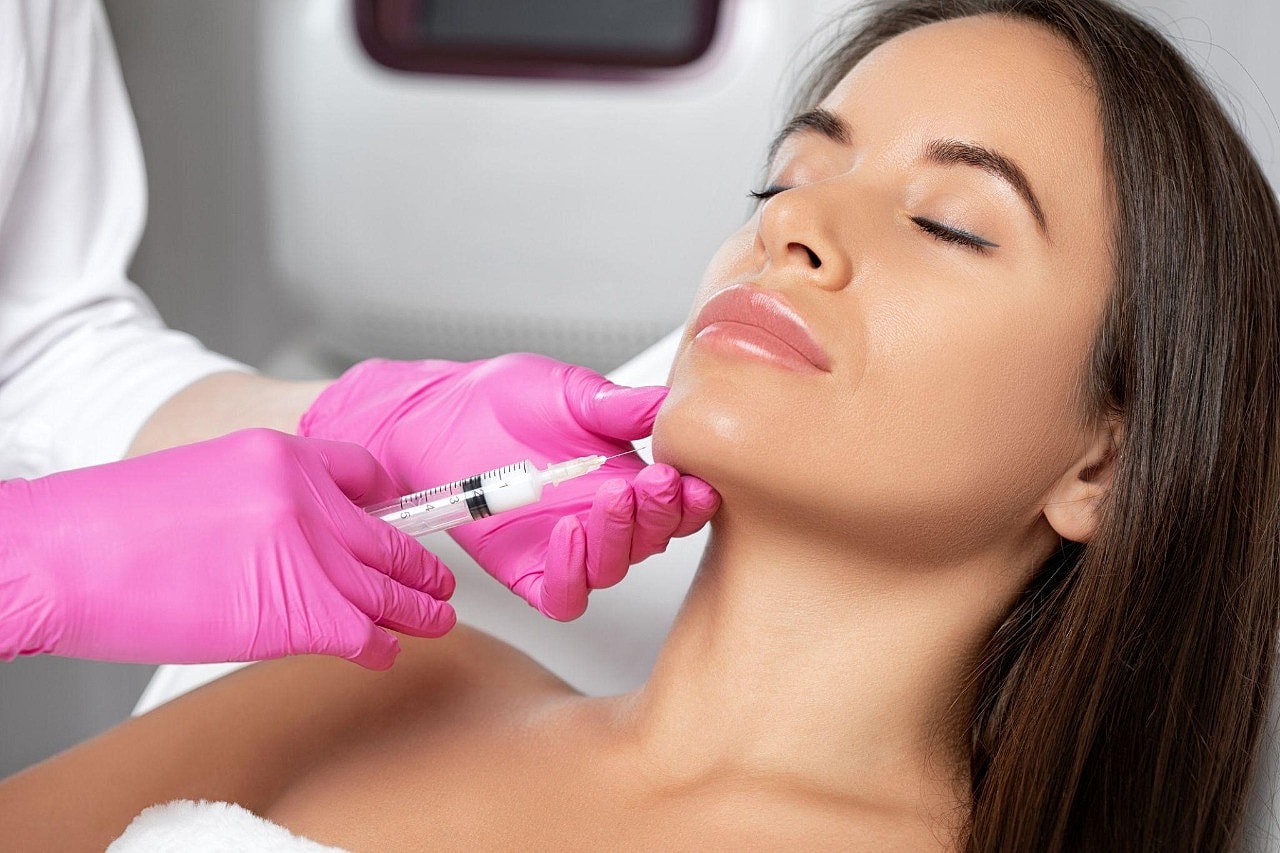
A good consultation should begin with your face, your medical history, and your goals, not with a predetermined number of syringes or sessions.
Your provider may assess facial volume, skin quality, symmetry, areas of concern, and previous cosmetic treatments. You should also have space to explain how noticeable you want your result to be.
For many Bellevue patients, natural-looking results are a priority. They want to look polished at work, comfortable in photos, and refreshed in social settings without looking obviously treated.
A thoughtful treatment plan should take that preference seriously.
What Your Provider May Review
Your consultation may include questions about:
- Previous filler or injectable treatments
- Medications and supplements
- Prior cosmetic procedures
- Medical conditions
- A history of keloid or hypertrophic scar formation
- Allergies
- Upcoming travel or major events
- Areas you would like treated
- Your preferred pace of change
Treatment timing can matter, especially if you have work presentations, photos, weddings, vacations, or other upcoming events.
What Happens During the Appointment?
Before injecting, the provider cleans and evaluates the treated area. Injection sites and the amount of product used depend on facial anatomy and the treatment plan.
You may feel pressure or tenderness during treatment. Temporary swelling, redness, or bruising can occur afterward.
Your provider should also explain aftercare before you leave. Follow those instructions closely because the recommendations may depend on your specific treatment and medical history.
After the first appointment, the next question is usually when you'll see visible changes and whether you'll need another session.
How Many Sculptra Treatments Will You Need?
No single treatment schedule fits every patient.
Sculptra is often planned as a series of injection sessions, with time between appointments to allow the provider to assess how your tissue responds.
The number of treatments may depend on:
- Age
- Facial volume
- Skin quality
- Treatment area
- Degree of correction desired
- Previous injectables
- Individual response to PLLA
A more conservative plan may suit someone with early volume changes, while another patient may need a different sequence based on anatomy and goals.
The key point is that your provider doesn't need to chase the full result in one visit. Sculptra develops over time, so reassessment is part of the process.
How Long Do Sculptra Results Last?
Sculptra is considered a long-lasting injectable, but duration varies.
Clinical references commonly describe effects that may persist for about 12 to 24 months, while individual results depend on the treatment plan, biology, amount of product used, age, and other factors.
It is better to think of Sculptra as part of long-term aesthetic planning than as a permanent correction.
Before choosing that plan, it also helps to understand what recovery can look like in the days after an injection.
Sculptra Recovery and Possible Side Effects
Sculptra does not require the same recovery as surgery, but that does not mean every patient will look or feel completely unchanged after treatment.
Common injection site effects can include:
- Redness
- Swelling
- Bruising
- Tenderness
- Temporary discomfort
These effects are often temporary, but recovery varies from person to person.
Some patients may also develop palpable nodules or small lumps. These are recognized complications of PLLA injections and should be discussed with the treating provider if they appear or persist.
Contact your provider if you notice an unexpected lump, significant pain, unusual skin changes, or another reaction that concerns you.
Do not try to diagnose or treat a post-injection problem based only on social media advice or general online recommendations.
The possibility of side effects is also why candidacy screening matters before the first injection takes place.
Who Should Avoid or Postpone Sculptra Treatment?
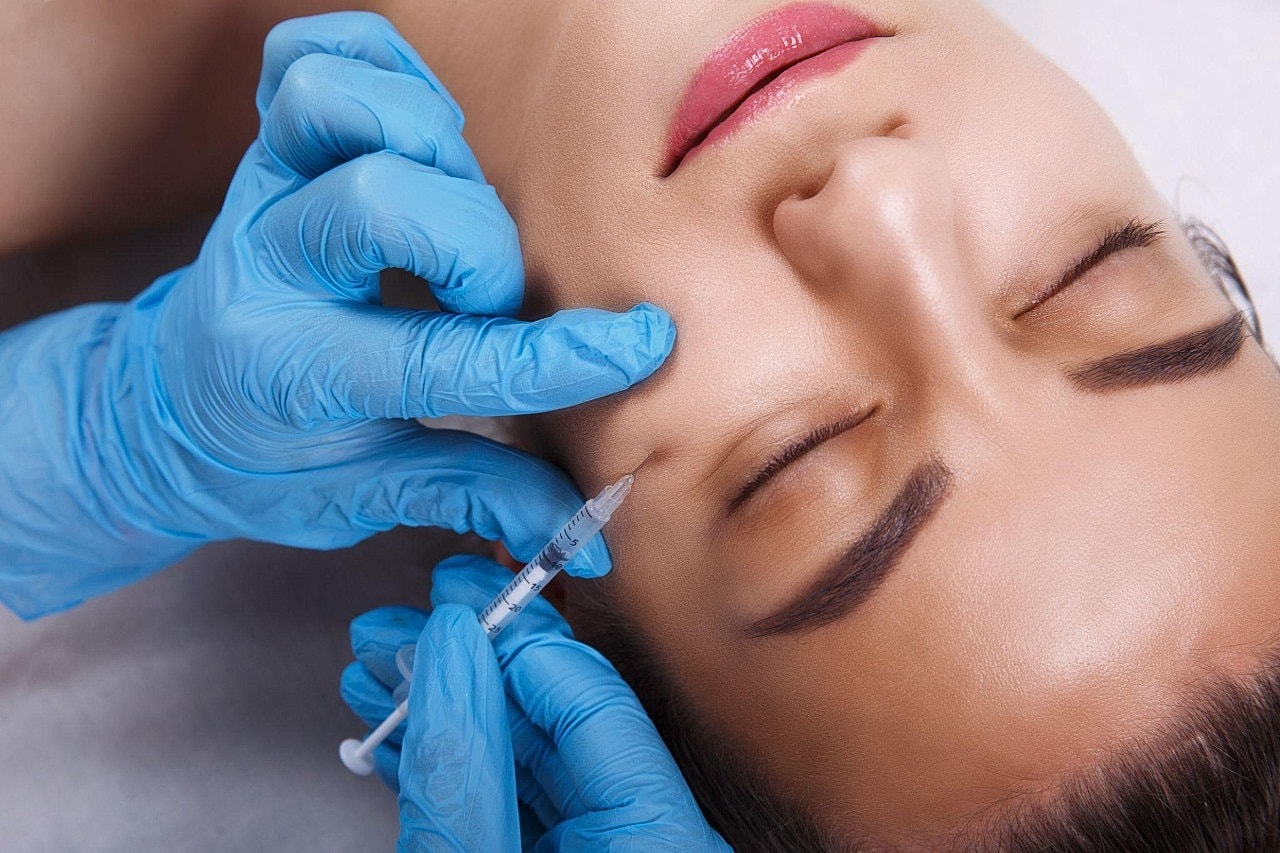
Sculptra is not appropriate for everyone.
A provider needs to review your medical history before treatment, especially if you have conditions or previous reactions that may affect injection safety.
Sculptra may not be appropriate, or treatment may need to be postponed, if you have:
- A known allergy or hypersensitivity to product components
- Active infection or inflammation at the planned injection site
- A history or predisposition to keloid formation
- A history of hypertrophic scarring
- Certain bleeding concerns
- Medical factors that require additional assessment
Pregnancy and breastfeeding also require careful consideration. Safety and effectiveness have not been established for these groups, so disclose pregnancy, plans for pregnancy, or breastfeeding during consultation.
Injectable treatments can also carry uncommon but serious complications, including problems related to accidental injection into a blood vessel. Provider training, knowledge of facial anatomy, appropriate technique, and careful patient selection all matter.
Once safety and candidacy are reviewed, the treatment decision returns to the bigger question: what approach makes sense for your face and your goals?
Building a Personalized Sculptra Treatment Plan at Kucumber Skin Lounge Bellevue

A polished result starts with choosing the right treatment for the right concern.
At Kucumber Skin Lounge, that may mean considering Sculptra on its own or as one part of a broader aesthetic plan. The clinic's treatment philosophy centers on personalized recommendations, thoughtful application, and long-term confidence in your skin.
Kucumber founders Nadya Kozlova and Shay Sim have spent more than two decades working in non-surgical aesthetics. Since 2010, the practice has focused on medical-grade aesthetic care across its Seattle, Bellevue, and Bellingham locations.
For a Sculptra consultation, the provider may look beyond facial volume alone.
Your plan can also consider skin quality, expression lines, pigmentation, texture, previous filler, maintenance goals, and how much change you actually want.
That can be especially valuable for Bellevue professionals and socially active patients who want their results to fit naturally into daily life. A treatment plan should support how you want to look and feel without making your appearance seem unfamiliar.
With that context, the most common Sculptra questions become easier to answer.
Sculptra Treatment FAQs
1. How long does Sculptra treatment take to work?
Sculptra works gradually. Temporary fullness may appear immediately after injection because of treatment fluid and swelling, but that early effect usually settles. Collagen-related changes often become more noticeable over the following weeks and months.
2. Is Sculptra the same as dermal filler?
Sculptra is an injectable filler product, but it works differently from traditional hyaluronic acid dermal fillers. Hyaluronic acid filler adds volume directly, while PLLA stimulates collagen production over time.
3. How many Sculptra treatment sessions will I need?
The number varies by person. Your provider may recommend a series based on facial volume, skin quality, anatomy, treatment goals, and response to previous sessions.
4. Can Sculptra cause bruising or small lumps?
Yes. Bruising, redness, swelling, tenderness, and temporary discomfort can occur. Nodules or small lumps are also recognized as possible complications. Contact your treating provider if you notice a persistent or concerning change.
5. Who may not be a good candidate for Sculptra treatment?
People with certain allergies, active infection at the injection site, a history or predisposition to keloid or hypertrophic scarring, or other medical concerns may not be suitable candidates. Discuss pregnancy and breastfeeding before treatment.
Those answers can provide useful background, but your own facial anatomy and medical history still determine whether Sculptra is appropriate.
Is Sculptra Treatment Right for Your Bellevue Skin Goals?
Sculptra treatment offers an option for patients who prefer gradual facial rejuvenation and collagen support rather than relying only on immediate filler volume.
The process requires patience. Results develop over time, treatment may involve more than one session, and each person's response can differ. Facial anatomy, skin quality, medical history, previous injectables, and the type of change you want should all guide the plan.
For patients considering Sculptra treatment in Bellevue, WA, a consultation with Kucumber Skin Lounge can help clarify whether PLLA fits your goals or whether another treatment may make more sense. Your provider can assess your facial volume, skin quality, and priorities, then create a personalized plan focused on natural-looking, refined results and confidence in your skin.