 Text
Text  Book
Book  Call
Call 


Smooth skin is not always something a good cleanser, serum, or exfoliant can achieve on its own. Acne scars can remain after breakouts have cleared, fine lines may become more noticeable, and uneven texture can affect how skin looks even when it is otherwise healthy.
For people considering microneedling for face treatments in Bellevue, the goal is often simple: improve skin quality while keeping the result natural. Microneedling creates controlled microchannels in the skin to encourage its repair response and support collagen production. Over time, that process may help improve the appearance of acne scarring, fine lines, enlarged-looking pores, and uneven texture.
This treatment isn't right for every concern or every person. Understanding what it can realistically do, how recovery works, and where it fits among other skin treatments can help you choose with more confidence.
📋What You'll Learn From This Article
By the end of this guide, you will have a clearer idea of:
- How microneedling encourages collagen and elastin production
- Which facial concerns may respond well to treatment
- What a professional microneedling appointment and recovery may involve
- How many treatments may be considered for smoother-looking skin
- How microneedling compares with chemical peels and laser treatments
- Why your skin tone, medical history, and current skin condition matter
With those basics in place, it is easier to understand what's happening beneath the surface during treatment.
What Is Microneedling for the Face?
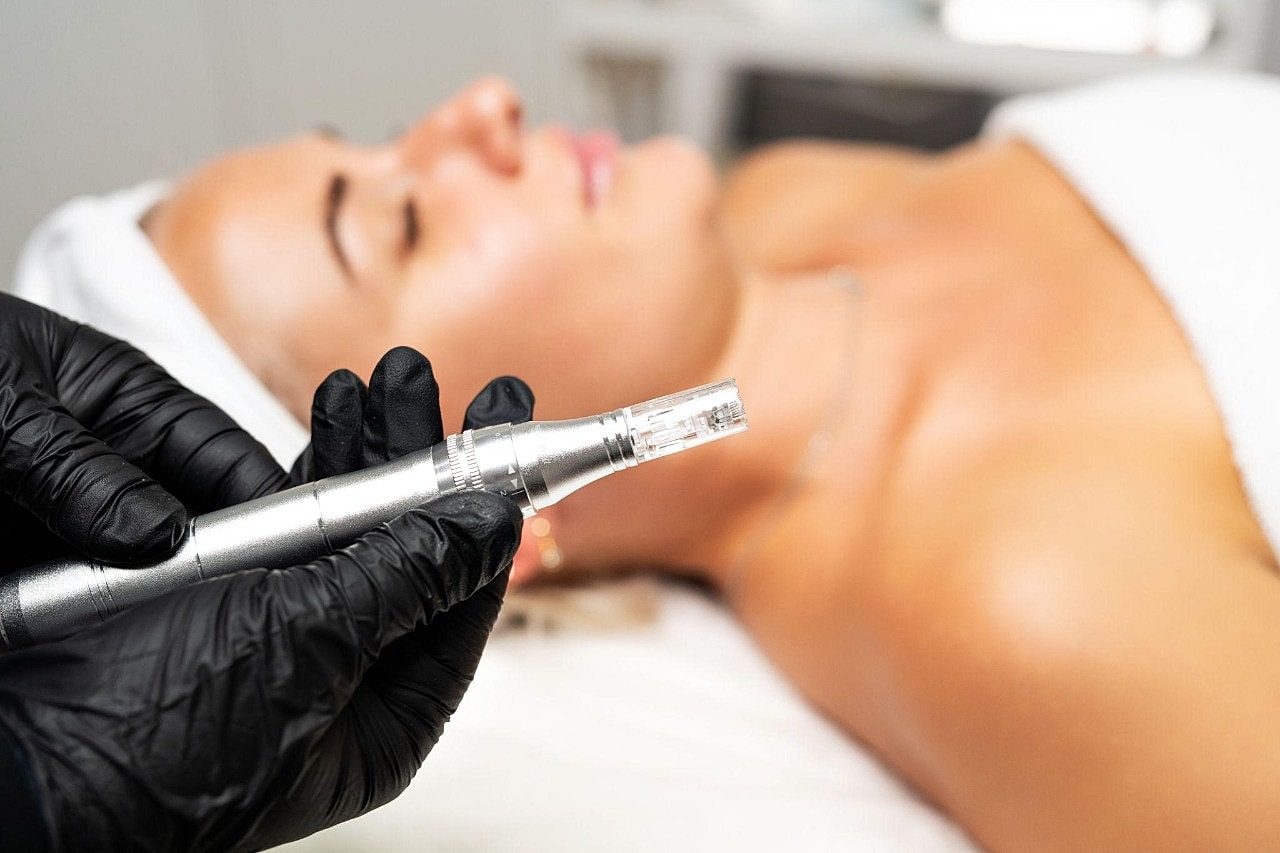
Microneedling is a minimally invasive cosmetic procedure that uses a device containing very fine needles. The needles create controlled microscopic punctures at selected depths in the skin.
These tiny injuries trigger a natural healing response. According to the StatPearls review on microneedling, this controlled skin injury is followed by collagen and elastin fiber production and skin remodeling.
That is why microneedling is also called collagen induction therapy.
Rather than simply exfoliating the outermost layer of the skin, microneedling is designed to encourage changes below the surface. The objective is not to damage the skin aggressively. The provider creates controlled microinjury at an appropriate depth, then gives the skin time to repair.
Why Collagen Matters for Skin Texture
Collagen provides structural support within the skin. Elastin helps it stretch and return to shape. Both play a role in how firm and smooth the skin appears.
Age, sun exposure, acne scarring, and other factors can change the skin's structure over time. Microneedling may encourage new collagen formation as part of the repair process, which can gradually improve some texture issues.
The word gradually matters. New collagen does not appear overnight, and one session cannot erase every scar, line, or irregularity.
Understanding that timeline makes it easier to see why microneedling is often planned as a process rather than a one-time skin fix.
What Skin Concerns Can Facial Microneedling Address?
Dermatologists and aesthetic practitioners use microneedling for several skin concerns, but not every issue responds the same way.
For facial treatments, the strongest interest tends to center on texture, acne scarring, and early signs of aging.
Acne Scars
Certain acne scars can leave shallow or deeper depressions in the skin after the original breakout has resolved.
A published review of microneedling applications discusses its use for acne scars, skin rejuvenation, wrinkles, stretch marks, and other dermatologic concerns. The authors describe how controlled micropunctures can stimulate wound healing activity and new collagen formation.
Microneedling may be particularly useful for some atrophic, or depressed, acne scars. The degree of improvement depends on scar type and depth, among other factors.
Active acne requires a different conversation. Needling inflamed or infected areas may not be appropriate, so a provider should first assess whether the skin is ready for treatment.
Uneven Skin Texture and Enlarged Looking Pores
Some people care less about a specific scar and more about skin that looks rough or uneven in natural light.
Collagen remodeling may help the surface appear smoother with time. Improved surrounding skin quality can also make pores less noticeable, although microneedling does not remove pores or permanently close them.
Fine Lines and Early Wrinkles
Microneedling may soften the appearance of certain fine lines by supporting collagen production.
It is important to separate fine textural lines from other signs of aging. Expression wrinkles, volume loss, pigmentation, and significant skin laxity have different causes. Those concerns may require Botox, filler, laser treatment, or another approach.
Once you identify the right concern, the next question is how microneedling creates visible change.
How Does Microneedling Help Skin Look Smoother?
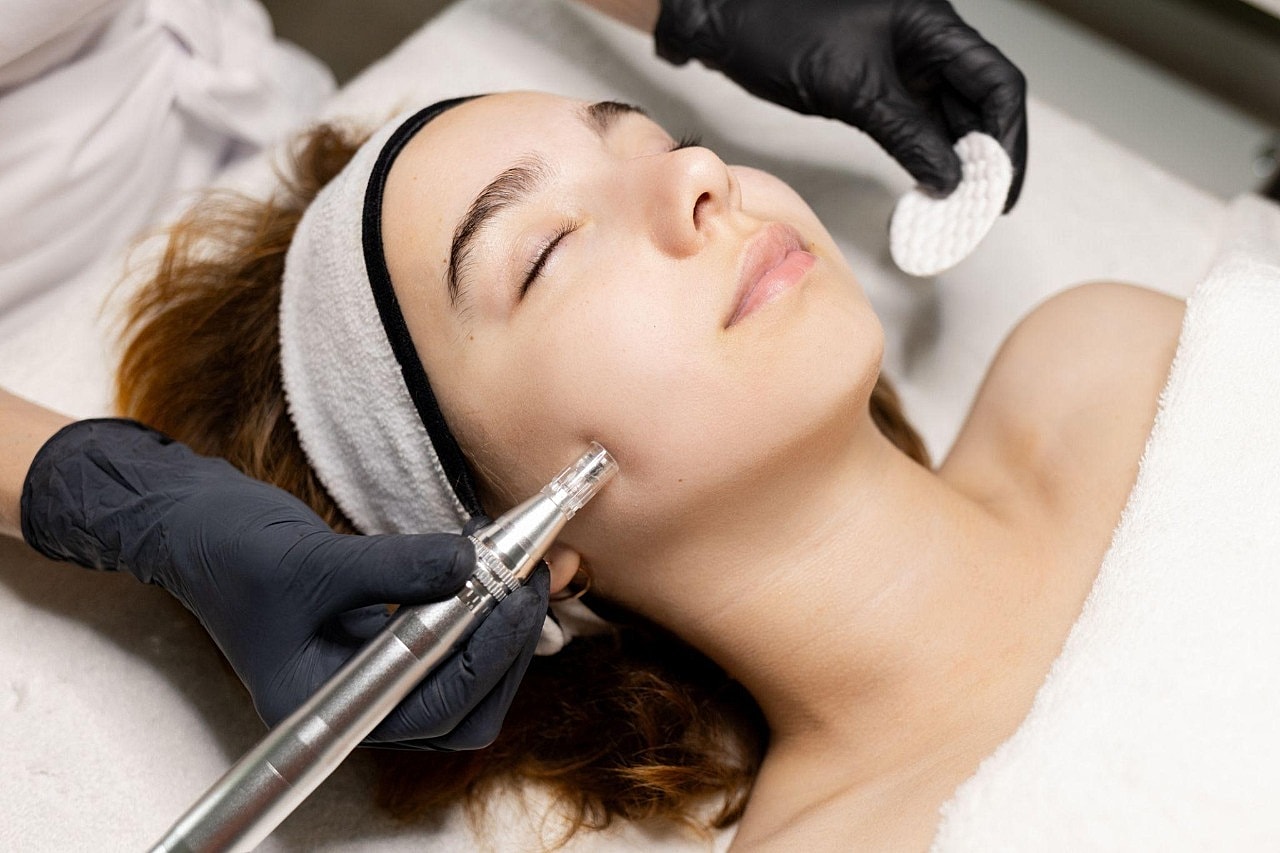
Microneedling does not smooth skin by scraping or polishing the surface. Most change happens during the healing period after treatment.
When tiny needles create controlled channels, the skin begins repairing itself. Fibroblasts and other healing cells contribute to collagen remodeling. As that process develops, the structure around certain textural irregularities may gradually improve.
For acne scarring, this can mean softening the contrast between depressed scars and the surrounding skin. For fine lines, additional structural support may help the skin appear more even and firm.
A more recent 2024 review of microneedling in dermatology describes microneedling as a minimally invasive procedure that stimulates natural healing processes and collagen and elastin production. The review discusses its use for concerns including acne scars, wrinkles, hyperpigmentation, and stretch marks.
Collagen remodeling continues after the visible redness from treatment has faded. This is why assessing microneedling results too soon can give an incomplete picture.
That same principle also explains why the treatment itself is only one part of the process. Careful assessment and technique matter just as much.
What Happens During a Professional Microneedling Appointment?
A thoughtful microneedling appointment begins before the needles touch the skin.
At Kucumber Skin Lounge, treatment planning centers on the individual rather than applying the same protocol to everyone. Your provider may consider your skin texture, scar pattern, active breakouts, skin tone, sensitivity, previous procedures, current skin care, and overall aesthetic goals.
That matters because someone treating mild texture does not necessarily need the same settings as someone addressing established acne scarring.
Preparing the Skin
The face is typically cleansed before treatment. A topical numbing product may be applied to help make the procedure more comfortable.
Your provider then selects settings based on the treatment area and concern. Professional microneedling devices allow more precise control over needle depth than basic at-home rollers.
During Treatment
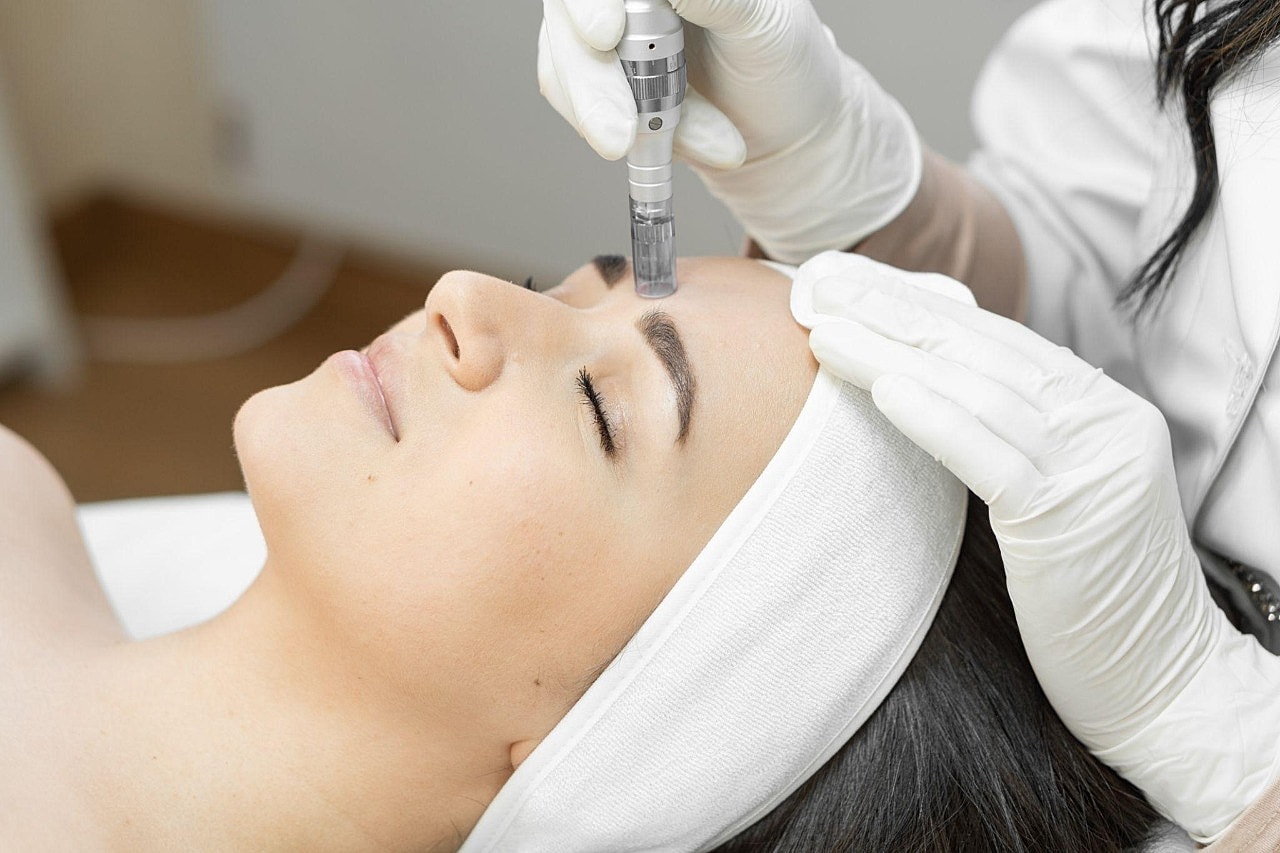
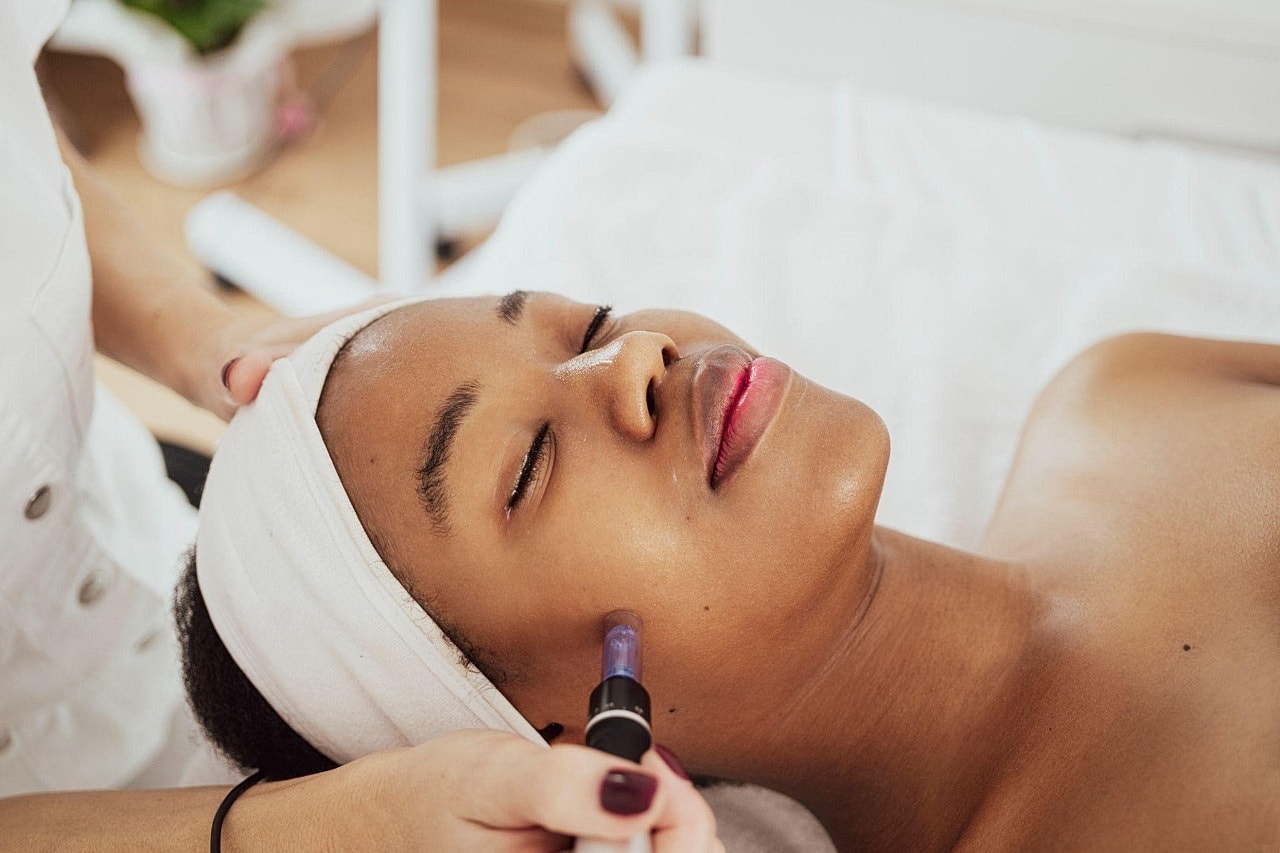
The microneedling device passes systematically across selected areas of the face, creating tiny controlled channels.
Different parts of the face have different skin thicknesses and sensitivities, so treatment depth may vary. More aggressive treatment is not automatically better. The aim is to use enough stimulation for the intended treatment while respecting the skin's ability to heal.
Knowing what happens during the appointment helps, but most people are just as interested in how their face will look afterward.
What Does Microneedling Recovery Look Like?
Microneedling usually involves some visible recovery, even though it is considered minimally invasive.
Redness is common after treatment. Your skin may also feel warm, tight, dry, or sensitive, and light flaking may occur as it settles.
Many people can return to normal activities relatively quickly, but downtime varies by treatment intensity and individual response. If your calendar includes client meetings, a wedding, professional photos, travel, or a major social event, it's sensible to give your skin extra recovery time.
Skin Care After Microneedling
Post-treatment care should focus on protecting the skin while it recovers.
Your provider may recommend:
- Gentle cleansing and skin care
- Temporarily avoiding irritating acids, retinoids, or exfoliants
- Avoiding scrubs and picking at peeling skin
- Limiting unnecessary sun exposure
- Using sunscreen as directed
- Waiting before applying makeup or certain products
Follow the instructions given for your specific treatment rather than relying on a generic online routine.
How well you care for your skin afterward matters, but patience is equally important because the changes people want from microneedling tend to develop over time.
When Will You See Microneedling Results?
Some people notice that their skin feels smoother once the initial redness and dryness settle. Don't confuse that early change with the full collagen response.
Collagen production and remodeling take longer.
Fine texture concerns may begin to look different over the following weeks. Acne scarring and deeper irregularities often require more time to assess.
How Many Sessions Might You Need?
There is no universal number of microneedling treatments.
A person seeking general skin maintenance may need a different plan from someone trying to improve established acne scars. Treatment frequency can also depend on needle depth, healing response, skin sensitivity, and other procedures in the person's skin care plan.
A series of sessions is commonly considered because collagen induction happens progressively. Your provider can evaluate how your skin responds before recommending additional treatments.
Results vary by person. Scar type, age, skin condition, treatment depth, aftercare, and individual healing can all affect the outcome.
For Bellevue clients balancing work and social schedules, timing a series can be as important as choosing the treatment itself.
Is Microneedling Appropriate for Different Skin Tones?
Microneedling can be considered for many skin tones because it doesn't target pigment with light or heat the way some laser technologies do.
That does not make it automatically suitable for every person.
Any procedure that creates inflammation can lead to pigment changes, especially in skin prone to post-inflammatory hyperpigmentation. Treatment technique, skin condition, recent sun exposure, and healing history all deserve consideration.
Kucumber Skin Lounge's approach emphasizes choosing aesthetic treatments according to the individual skin in front of the provider. This is especially important when treating pigmentation-prone skin or anyone with a history of unusual reactions after procedures.
If you have active inflammation, pigment concerns, chronic skin conditions, or a history of problematic scarring, mention them during your consultation.
A professional assessment also helps separate properly controlled microneedling from the many at-home tools now marketed for similar purposes.
Professional Microneedling vs At-Home Microneedling
At-home rollers and microneedling devices can make the procedure look simple, but professional treatment involves more than passing tiny needles over the face.
A trained treatment provider can assess the skin before treatment and control factors such as:
- Needle depth
- Treatment intensity
- Device technique
- Sanitation
- Treatment pattern
- Areas that require a more conservative approach
This level of control becomes more important when the goal is meaningful collagen induction for acne scars, fine lines, or other textural concerns.
At-home microneedling also raises questions around cleaning, repeated use, pressure, and product application. Trying to create deeper injury at home can increase the chance of irritation or other complications.
More needling does not mean more collagen or better results.
If you want to address visible acne scarring or significant texture, a professional consultation can help determine the appropriate level of treatment.
Microneedling is only one option for smoother skin, so comparing it with other common treatments can be helpful.
Microneedling vs Chemical Peels vs Laser Treatments
The best treatment for smoother-looking skin depends on what is causing the concern in the first place.
Microneedling, chemical peels, and lasers work differently.
Treatment | Often Considered For | Main Approach | Recovery |
|---|---|---|---|
Acne scars, uneven texture, fine lines | Controlled collagen induction with tiny needles | Temporary redness and sensitivity may occur | |
Surface texture, acne-related concerns, selected discoloration | Controlled chemical exfoliation | Depends on peel type and depth | |
Pigmentation, texture, resurfacing, selected aging concerns | Uses targeted light or energy | Can range widely by laser and intensity |
Microneedling may be a good treatment to discuss when the priority is texture and gradual collagen remodeling.
Chemical peels can be useful when the concern sits closer to the surface. Different laser technologies may address pigmentation, resurfacing, redness, or deeper texture depending on the device.
Sometimes the answer is not choosing one procedure forever. A provider may recommend different treatments at different stages of your skin care plan.
Kucumber Skin Lounge offers multiple skin treatment options, giving the Bellevue team the ability to look at the broader goal rather than assuming microneedling is right for every texture concern.
Before choosing any of these treatments, ask one more question: Is your skin ready?
Who Should Talk With a Provider Before Microneedling?
Microneedling creates controlled injury, so skin health and medical history matter.
You may need to postpone or reconsider treatment if you have an active infection, open wounds, active cold sores, significant inflammation, or certain chronic skin conditions.
A history of keloid scarring or unusual wound healing is also important to discuss.
Tell your provider about:
- Active acne or skin irritation
- Recent cosmetic procedures
- Prescription skin products
- Medications that may affect healing or bleeding
- History of cold sores
- Previous pigmentation changes
- History of keloid or abnormal scarring
- Relevant medical conditions
Do not stop prescribed medication or dermatologist-directed skin care without speaking with the appropriate medical professional.
A consultation isn't simply to clear someone for microneedling. It determines whether the procedure fits your skin condition right now and whether another treatment would make more sense.
That individualized decision-making brings us to the questions Bellevue patients commonly ask before booking.
Frequently Asked Questions About Microneedling for Face
Microneedling often raises the same practical questions about acne scars, treatment frequency, downtime, and home devices. Here are concise answers to the most common ones.
1. Is microneedling for face good for acne scars?
Microneedling may improve certain types of depressed acne scars by encouraging collagen remodeling in the treated skin. Scar type and depth matter, and not every scar responds the same way. Evaluate active inflammatory acne before microneedling.
2. How many microneedling sessions are needed for smoother skin?
There is no fixed number. Some people may pursue a series of treatments for acne scarring or more noticeable texture, while others have different goals. Your provider should base the recommendation on your skin, how it responds to treatment, and your desired level of correction.
3. How long does facial redness last after microneedling?
Redness often improves over the first few days, but the timing varies. Treatment depth, skin sensitivity, and individual healing all influence downtime. You may also experience dryness, tightness, or mild flaking.
4. Can microneedling help fine lines and wrinkles?
Microneedling may improve some fine lines by encouraging collagen and elastin remodeling. Deeper wrinkles, muscle-related expression lines, volume loss, or significant skin laxity may respond better to other aesthetic treatments or a combined plan.
5. Is professional microneedling for face better than at-home microneedling?
Professional treatment lets a trained provider assess your skin, control needle depth, maintain proper sanitation, and adapt the procedure to the area being treated. At-home devices do not offer the same level of clinical assessment or controlled treatment.
Those answers provide useful starting points, but your own treatment plan still depends on what your skin needs and what you want to improve.
A More Personal Approach to Smooth Skin in Bellevue
Microneedling for facial treatments can make sense when acne scars, fine lines, enlarged-looking pores, or uneven texture keep your skin from looking as smooth as you would like. Its appeal comes from working with the skin's repair response to support gradual collagen remodeling rather than trying to create an instant change.
At Kucumber Skin Lounge, founders Nadya Kozlova and Shay Sim have spent more than two decades in nonsurgical aesthetics. Since 2010, the practice has built its approach around careful treatment selection, internal aesthetician training, and personalized plans designed around each guest's skin, comfort, lifestyle, and goals.
That perspective matters because smoother skin rarely comes from choosing a treatment based on a trend alone. It comes from understanding the concern first, then choosing the right procedure and timing.
If you are considering microneedling for face in Bellevue, WA, book a consultation with a Kucumber provider to discuss your skin texture, acne scarring, recovery preferences, and long-term skin goals. Your provider can help you decide whether microneedling belongs in your personalized plan for smoother, more confident-looking skin.