 Text
Text  Book
Book  Call
Call 


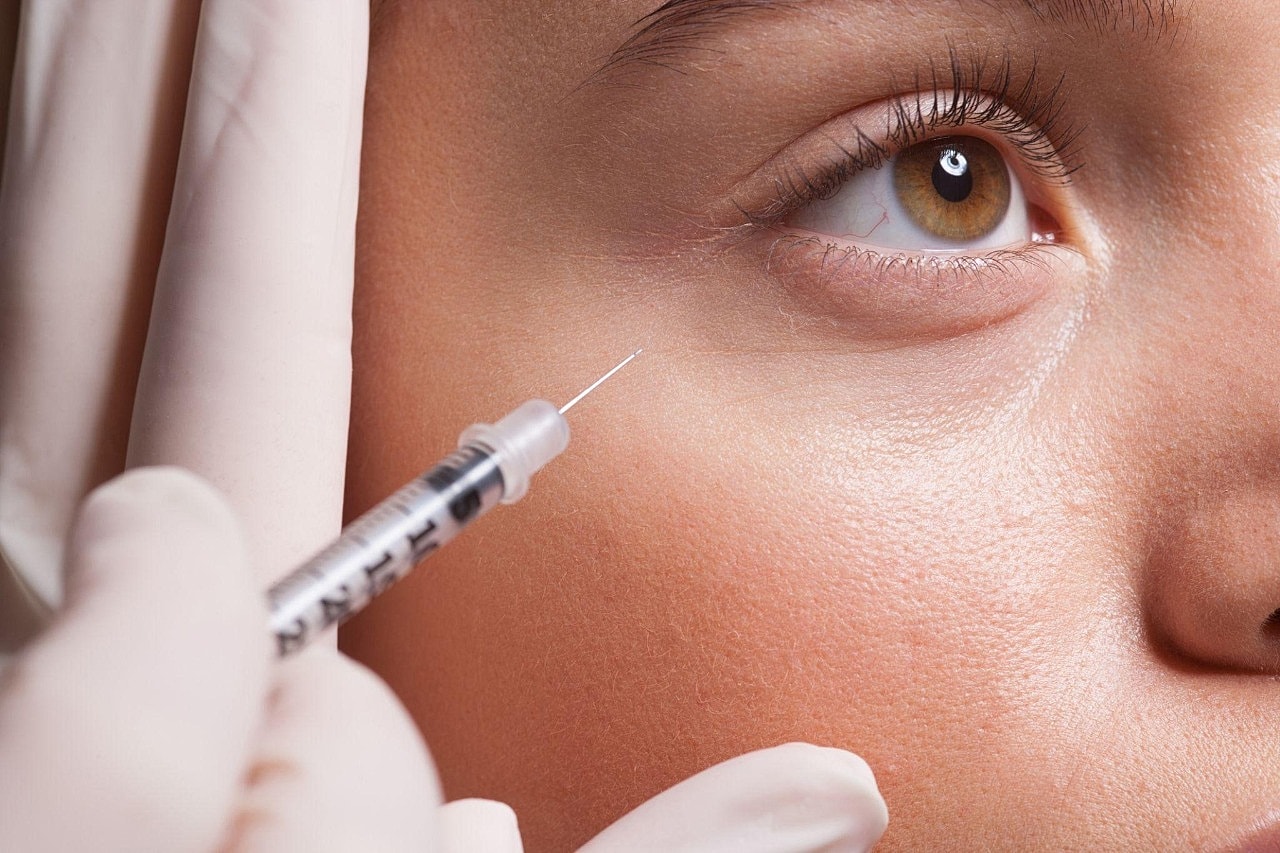
A visible hollow under the lower eyelid can create a shadow that looks like a dark circle. Skin care and makeup may soften the area, but they cannot replace lost volume.
Dermal filler for under eyes in Bellevue may help smooth the tear trough and create a softer transition between the lower eyelid and cheek. Results can appear quickly, and treatment does not require surgery.
The under-eye area needs careful attention, though. Thin skin, delicate blood vessels, and natural differences in facial anatomy make proper assessment essential. At Kucumber Skin Lounge, your injector creates a plan based on your face, not a standard amount of filler.
What You’ll Learn From This Article
- How under-eye filler works
- What concerns it can and cannot improve
- Who may be a good candidate
- What to expect during treatment and recovery
- Common risks and side effects
- How under-eye filler compares with other options
What Is Under-Eye Dermal Filler?

Under-eye filler is an injectable treatment that adds volume beneath the eyes. Providers often call this area the tear trough, infraorbital hollow, or under-eye hollow.
The tear trough usually begins near the inner corner of the eye and extends toward the cheek. When this area loses support, it may look sunken and cast a shadow. That shadow can make your eyes appear tired even when you feel rested.
Your injector places a small amount of filler below the skin to soften the hollow. The filler works by supporting the tissue and improving the contour between the eye area and upper cheek.
Many providers use a soft hyaluronic acid filler near the eyes. Hyaluronic acid occurs naturally in the body and attracts water. Different HA fillers have different levels of firmness, flexibility, and water attraction.
The FDA has approved JUVÉDERM VOLBELLA XC for improving under-eye hollows in adults over age 21. That does not mean it suits every patient. Your injector must first examine your skin, under-eye bags, cheek support, medical history, and risk of puffiness.
Under-eye filler also differs from Botox. Botox reduces selected muscle activity. Dermal filler replaces volume or adds structural support.
Why Under-Eye Hollows Can Make You Look Tired
Several changes can deepen the tear trough area. Facial fat may shrink or shift. Cheek support may decrease. Ligaments can create visible grooves, and the skin under the eyes may become thinner.
Some people naturally have deep under-eye hollows because of genetics or bone structure. Others notice a sunken appearance as they age and lose volume in different areas of the face.
The hollow changes the way light reaches your face. It creates a shadow that can resemble dark circles under the eyes, even when the skin itself has little pigment.
Research on lower eyelid anatomy links under-eye hollowing to changes in skin, fat compartments, ligaments, and midface support. This is why some patients need cheek support before direct tear trough filler.
What Under-Eye Filler Can and Cannot Improve
A proper diagnosis matters before any injection. Dark circles, eye bags, hollows, and loose skin may look similar, but they need different treatments.
Under-eye filler works best when lost volume causes a visible depression. It may offer limited improvement when pigmentation, visible blood vessels, or significantly lower eyelid bags cause the concern.
Under-eye filler may improve |
Under-eye filler may not correct |
|---|---|
Tear trough hollows |
Dark skin pigment |
Volume-related shadows |
Visible veins or blood vessels |
A sunken appearance |
Significant loose skin |
An uneven eyelid-to-cheek contour |
Large under-eye bags |
Mild volume-related asymmetry |
Chronic fluid retention |
Selected bag-related shadows |
Fine wrinkles caused by thin skin |
Under-Eye Hollows Versus Dark Circles
Dark circles can have several causes. Pigmentation, allergies, rubbing, visible veins, thin under-eye skin, and facial structure may all affect the eye region.
Filler may improve the appearance when the dark circle comes from a hollow and its shadow. It will not remove pigment or hide every visible blood vessel.
An under-eye filler consultation helps your provider identify the real cause. Your injector may recommend dermal filler, cheek filler, skin treatment, resurfacing, or a surgical consultation.
Who Is a Good Candidate for Under-Eye Filler?
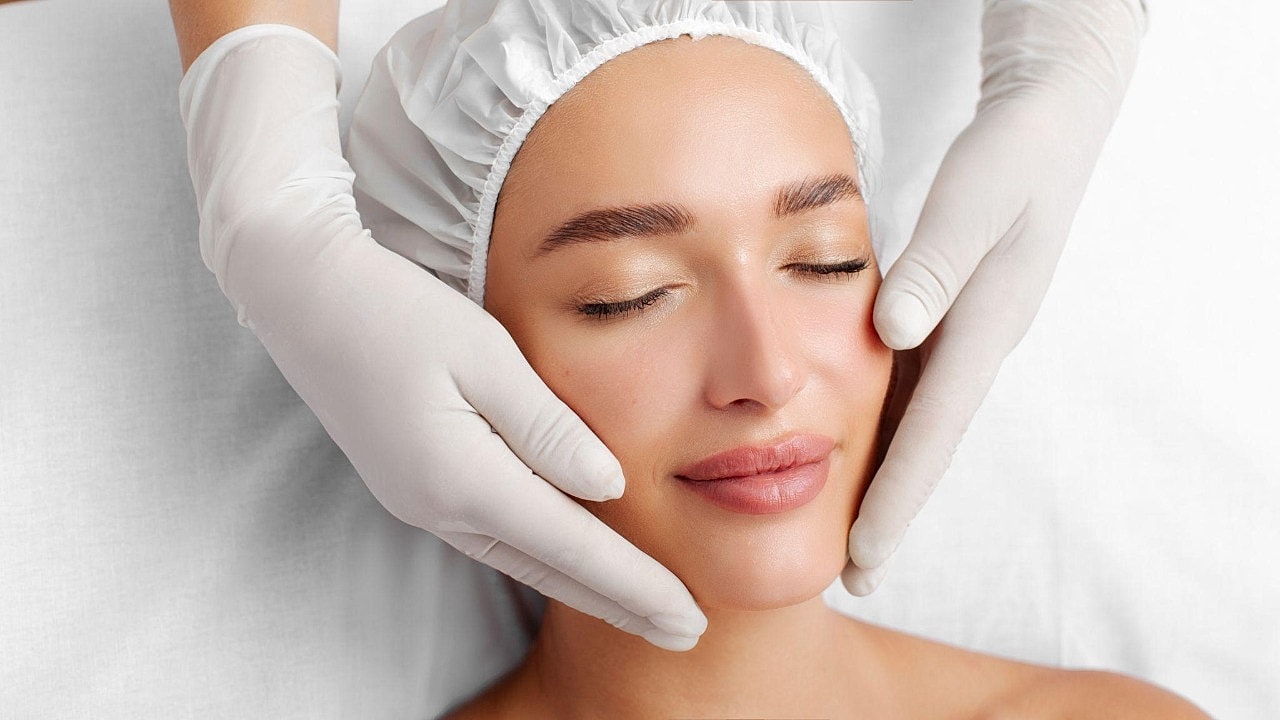
A good candidate for under-eye filler usually has a visible tear trough, reasonable skin elasticity, and limited lower eyelid puffiness.
You may be a candidate for under-eye fillers when you:
- Have under-eye hollows that create a tired look
- Want a nonsurgical procedure
- Prefer little interruption to your routine
- Accept the possibility of bruising and swelling
- Understand that results should look subtle
- Have realistic expectations about what filler may improve
A conservative approach often produces the best result. Trying to make the under-eye area completely flat may create an unnatural or puffy appearance.
When Under-Eye Filler May Not Be Recommended
Under-eye filler may not suit you if you have pronounced under-eye bags, loose lower-eyelid skin, chronic swelling, malar edema, or poor lymphatic drainage. Adding filler material to an area that already holds fluid can make puffy bags more noticeable.
Your provider may also delay filler injections if you have an active rash, infection, acne lesion, or irritation at the injection site. Share your medications, supplements, allergies, dental work, previous fillers, and past facial procedures during your consultation.
Pregnant or breastfeeding patients should usually postpone elective dermal filler treatment because safety has not been established.
Some patients may benefit more from cheek filler, resurfacing, or blepharoplasty. An oculoplastic surgeon may offer a better option when prominent fat pads or loose skin cause concern.
Benefits of Under-Eye Filler for Bellevue Patients
Under-eye filler can offer visible improvement without incisions or general anesthesia. Most appointments take less than an hour, and many patients return to normal activities soon after treatment.
Possible benefits include:
- Immediate volume support
- Less shadow in the tear trough area
- A smoother lower eyelid to cheek transition
- A more rested expression
- Minimal downtime for suitable patients
- Gradual treatment over more than one visit
- Temporary correction without surgery
- The option to dissolve many HA fillers when medically appropriate
Filler can also work as part of a broader facial plan. Restoring cheek volume may improve support around the eyes and reduce the amount of filler needed directly under the lower eyelid.
Why Subtle Correction Often Looks Better
More filler does not always mean a better result. Too much product may cause puffiness, lumps, visible filler, or an uneven contour.
The thin skin near the eyes shows small changes easily. A small amount of filler placed at the correct depth may improve the appearance without making the area look overdone.
Your injector may suggest staged treatment. This allows the product to settle before deciding whether you need more.
Kucumber Skin Lounge focuses on results that help you look refreshed while keeping your natural expression.
Choosing the Right Filler and Treatment Plan
Each type of filler behaves differently. Some products feel firm and provide structure. Others feel softer and move more naturally with facial tissue.
The ideal filler for the under-eye area should suit your skin thickness, hollow depth, cheek structure, swelling history, and previous treatment. Your injector must also consider how much water the product attracts.
Soft hyaluronic acid fillers often work well near the eyes because they can blend with delicate tissue. Even so, no single product works for every person.
The injector may use a fine needle, a cannula, or both. A blunt cannula may reduce some types of tissue trauma, but it does not remove all risk. Placement depth, product choice, and anatomical knowledge matter more than the tool alone.
Why Injector Experience Matters Around the Eyes
The eye area contains thin skin, muscles, ligaments, fat compartments, lymphatic channels, and important blood vessels. Small differences in injection depth can change the result.
Your injector must understand the orbital rim, tear trough ligament, cheek support, and vascular anatomy. The provider should also know how to identify and respond to complications.
No responsible injector should describe filler near the eyes as risk-free. Serious complications remain uncommon, but proper training and emergency preparation matter.
What to Expect at Kucumber Skin Lounge in Bellevue
Your treatment starts with a detailed consultation. The provider will ask what bothers you, what result you want, and whether you have received filler before.
The assessment may include:
- Tear trough depth
- Lower eyelid bags
- Thin skin or crepey texture
- Cheek support
- Facial symmetry
- Pigmentation
- Visible blood vessels
- Swelling or fluid retention
Your provider will also review medications, supplements, allergies, health conditions, and previous facial procedures. This helps determine whether you are a good candidate for under-eye filler.
Your Under-Eye Filler Procedure
The provider cleans the treatment area and may apply ice or numbing cream. Many hyaluronic acid fillers also contain lidocaine.
Your injector marks key points and places a small amount of filler with a needle, cannula, or combined technique. The provider checks the contour and symmetry throughout the procedure.
A filler treatment may take about 15 to 45 minutes, depending on your plan. You should receive aftercare instructions and information about warning signs before leaving the clinic.
How Fast Will You See Results?
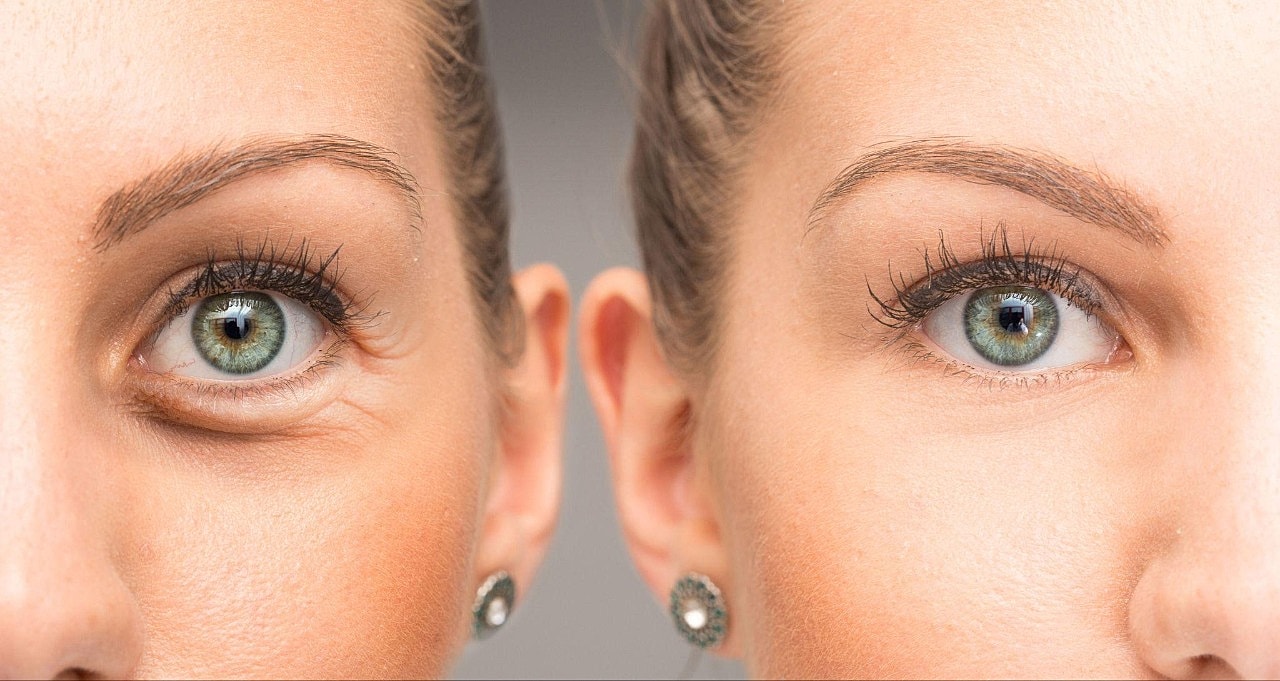
You will usually notice added volume immediately after the injection. Early swelling may make the under-eye area appear fuller or slightly uneven.
Results become easier to judge as swelling and tenderness improve. Kucumber generally recommends allowing about two weeks for the dermal filler to settle.
A follow-up appointment lets your injector check symmetry, product placement, and whether another small amount of filler would help.
JUVÉDERM states that VOLBELLA XC results may last up to one year with optimal treatment. Your results may last for a shorter or longer period depending on the filler used, your metabolism, anatomy, and the amount of filler.
Recovery and Under-Eye Filler Aftercare
Common side effects usually involve the injection site and nearby tissue. These reactions often improve as the area heals.
Common Short-Term Effects
You may notice:
- Mild swelling
- Tenderness
- Redness
- Bruising
- Temporary firmness
- Small bumps
- Mild asymmetry
The eye area can show swelling more clearly than thicker areas of the face. Contact your provider if swelling becomes severe, continues to worsen, or does not improve as expected.
How to Care for the Under-Eye Area
Follow the instructions from your injector. Recommendations may differ based on the product and injection method.
Common aftercare steps include:
- Apply a cool compress gently
- Keep the area clean
- Do not rub or massage unless instructed
- Avoid strenuous exercise for the recommended period
- Limit alcohol, heat, and strong sun exposure for at least 24 hours
- Delay makeup if your provider advises it
- Sleep with your head slightly raised
- Discuss future facials, peels, lasers, massage, and dental work
Do not press on bumps or try to move the filler yourself. Ask your provider to examine any area that concerns you.
Risks and Safety Considerations
Bruising, swelling, tenderness, redness, itching, and temporary contour changes are common side effects. Less common problems include prolonged puffiness, visible filler, infection, nodules, asymmetry, and migration.
Seek immediate medical care for sudden vision changes, severe pain, skin whitening, gray or dusky discoloration, facial weakness, confusion, or difficulty speaking. Contact the treating provider at once while arranging emergency care.
How Careful Treatment Reduces Risk
A safety-focused practice begins with medical screening and a close examination of your facial anatomy.
Your injector should use an appropriate type of filler, conservative dosing, controlled placement, and a clear emergency plan. The practice should also have hyaluronidase available for suitable hyaluronic acid filler complications.
Written aftercare and easy access to clinical follow-up also help you respond quickly if something does not feel right.
Under-Eye Filler Compared With Other Treatments
Under-eye concerns often have more than one cause. Filler may help with volume loss, but another treatment may suit pigment, loose skin, wrinkles, or eye bags.
Treatment |
Best Suited For |
What It Cannot Do or Key Considerations |
|---|---|---|
Under-eye filler |
Tear trough hollows, lost volume, and shadows that create a tired appearance |
It may not correct pigment, loose skin, fine wrinkles, or prominent under-eye bags |
Skin care and brightening treatments |
Dryness, mild pigmentation, and skin barrier concerns |
They cannot replace lost volume beneath the skin |
Laser, peel, or resurfacing treatments |
Pigmentation, uneven texture, and fine wrinkles |
They do not fill a deep tear trough or restore structural volume |
Cheek filler |
Loss of cheek support that contributes to under-eye hollowing |
Some patients may still need direct tear trough filler for full correction |
Lower eyelid surgery |
Loose skin, large under-eye bags, and prominent fat pads |
Surgery requires more recovery, but it can treat structural concerns that filler cannot |
Why Choose Kucumber Skin Lounge for Under-Eye Filler in Bellevue?

Kucumber founders Nadya Kozlova and Shay Sim have more than two decades of experience in nonsurgical aesthetics. Their approach centers on careful assessment, facial balance, and personal treatment planning.
Your provider will examine your under-eye area, cheek support, skin quality, and treatment goals before recommending filler. This matters because the best treatment may involve direct tear trough filler, cheek support, skin care, or another option.
Kucumber Skin Lounge also offers related aesthetic services when filler alone will not address your concern. Every plan starts with education, realistic expectations, and a clear discussion of risks.
Frequently Asked Questions About Under-Eye Filler in Bellevue
1. Does Under-Eye Filler Help Dark Circles?
Filler may improve dark circles caused by under-eye hollows and shadows. It does not remove skin pigment or visible veins.
2. Is Under-Eye Filler Painful?
Most patients feel pressure, a brief pinch, or mild discomfort. Numbing cream, ice, and filler containing lidocaine may help.
3. Can Under-Eye Filler Make Bags Look Worse?
Yes. Too much filler, poor placement, chronic fluid retention, or improper candidate selection may increase puffiness.
4. Can Under-Eye Filler Be Dissolved?
Many hyaluronic acid fillers can be dissolved with hyaluronidase. Results may not appear immediately, and some patients need more than one treatment.
5. How Much Under-Eye Filler Will I Need?
The amount depends on your tear trough depth, cheek support, skin quality, symmetry, and desired correction. Many patients need only a small amount of filler.
Final Words: Look More Rested Without Surgery
Under-eye filler can soften hollows, reduce shadows, and improve a tired-looking appearance. Results may appear quickly, and most suitable patients need little downtime.
Careful patient selection matters more than speed. Filler will not fix every dark circle, under-eye bag, or wrinkle. The best result starts with a correct diagnosis, conservative treatment, and an experienced injector.
Schedule a consultation with Kucumber Skin Lounge in Bellevue to find out whether under-eye filler fits your anatomy, goals, and medical history.