 Text
 Book
 Call


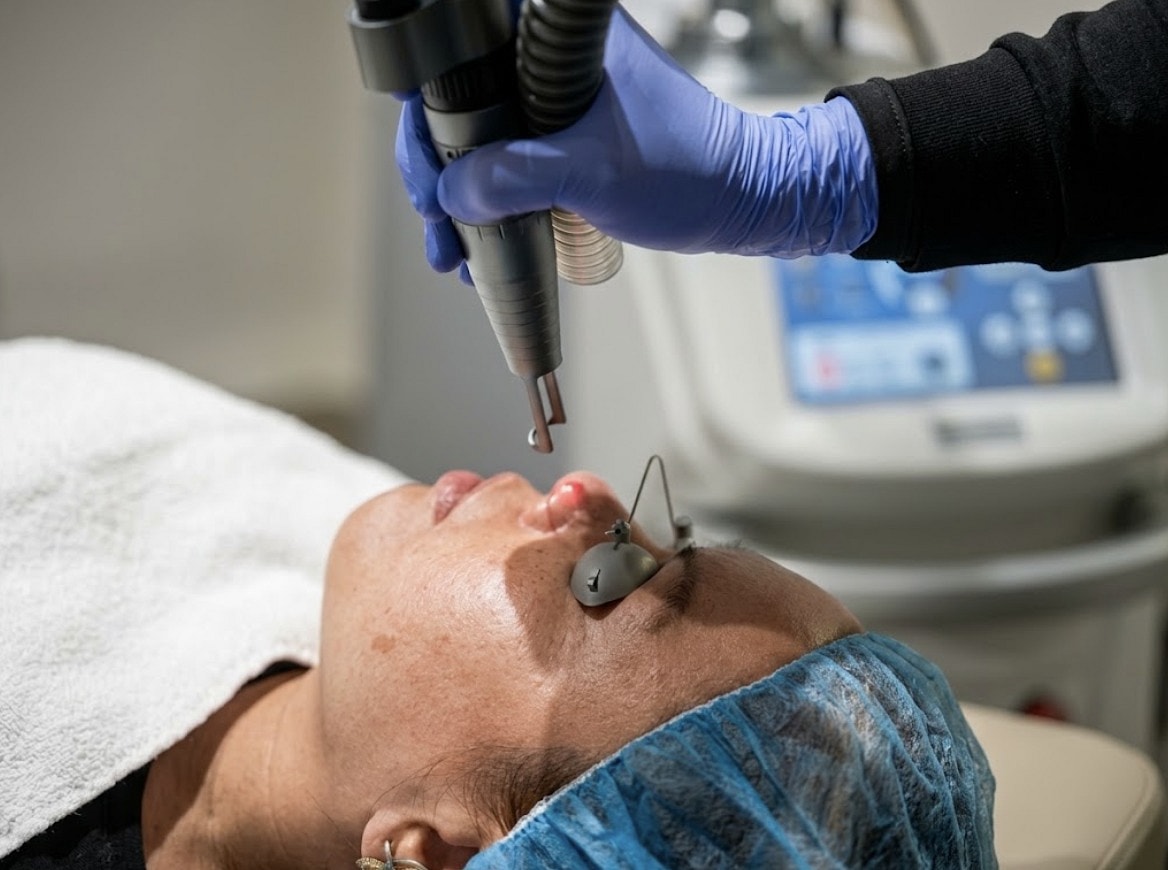
CO2 laser resurfacing can effectively improve concerns such as uneven texture, fine lines, wrinkles, and certain scars, but the recovery period deserves as much attention as the treatment itself.
For busy Bellevue professionals, parents, and socially active clients, CO2 laser recovery often comes down to practical questions. How red will your skin look? When will peeling start? How soon can you return to work? When can you wear makeup or restart your normal skincare routine?
At Kucumber Skin Lounge, treatment planning includes those details. Understanding the healing process before your appointment can help you choose the right timing, prepare your skincare routine, and give treated skin the time it needs to recover.
📋What You’ll Learn From This Article
- What your skin may look and feel like during the first week
- Why redness, peeling, crusting, and pinkness happen after CO2 laser treatment
- How long deeper healing and collagen remodeling may continue
- Which skin care habits can support recovery
- What can affect your individual downtime
- When a change in your skin should be discussed with your provider
What Happens to Your Skin After CO2 Laser Resurfacing?
Fractional CO2 laser resurfacing creates controlled microscopic treatment zones in the skin. These small areas of thermal injury trigger the body's repair response while surrounding tissue helps support healing.
According to a medical review of fractional CO2 laser treatment mechanisms, this process involves inflammation, re-epithelialization, tissue repair, and longer-term collagen remodeling.
In simple terms, the laser creates a controlled injury, and the skin responds by repairing the surface while changes continue deeper within the tissue.
How Fractional CO2 Laser Resurfacing Works
CO2 laser energy is absorbed by water within the skin. Fractional treatment creates microscopic columns of injury rather than treating the entire skin surface equally.
As healing begins, the outer skin barrier starts rebuilding. Beneath the surface, collagen and other structural components begin a longer remodeling process.
This is why CO2 laser resurfacing may be considered for concerns such as fine lines, wrinkles, uneven texture, certain acne scars, and changes in overall skin quality.
Why Redness, Peeling, and Crusting Happen
Redness and swelling are part of the early inflammatory response to treatment. As surface tissue renews, the treated area may become dry, rough, flaky, or lightly crusted.
These changes can look dramatic compared with your normal skin, but they are expected parts of recovery for many patients.
Picking or exfoliating the skin does not speed up healing. It can irritate the treated area while the new skin barrier develops.
Understanding why these changes happen makes the first week of recovery easier to interpret.
CO2 Laser Recovery Timeline: What to Expect During the First Week
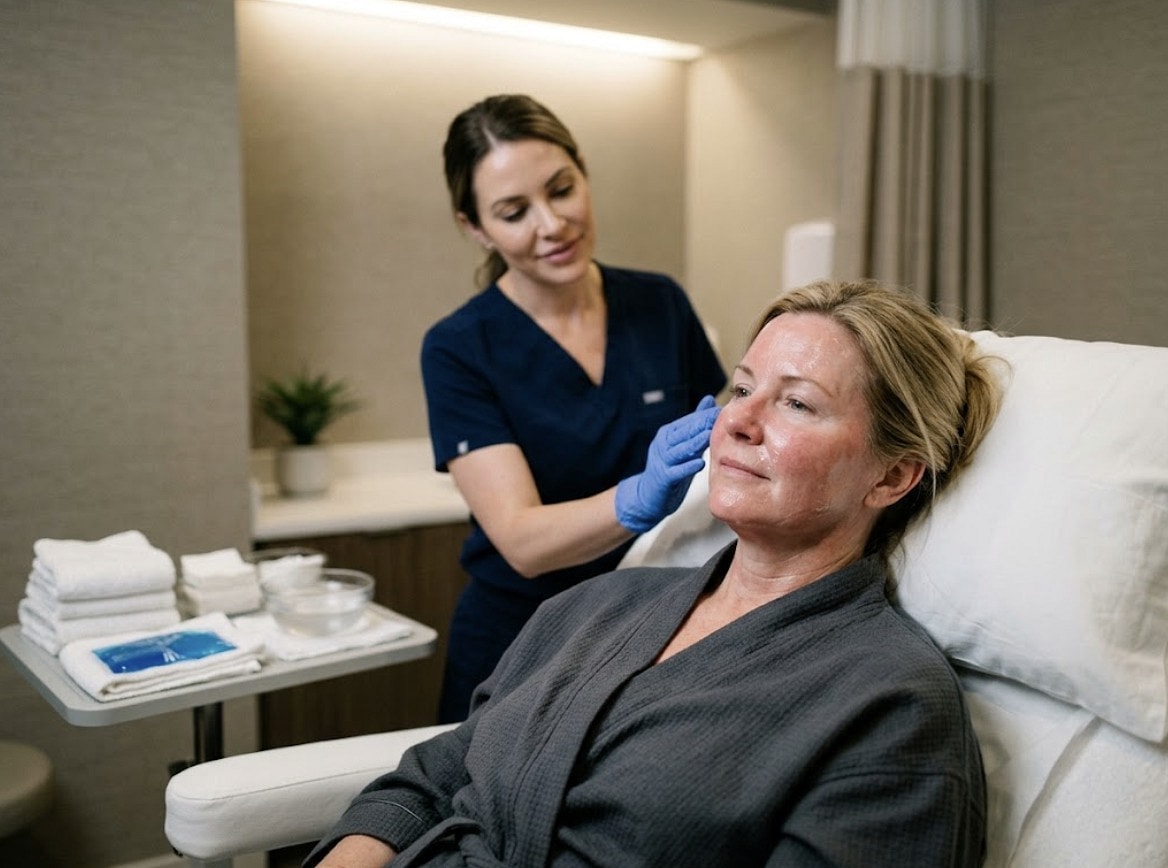
There is no single recovery schedule that applies to every person. Laser settings, treatment depth, skin tone, treatment area, and individual healing response can all affect downtime.
Kucumber Skin Lounge notes that redness and swelling after SmartXide CO2 laser resurfacing commonly last about five days. Some patients may still have pinkness, dryness, or sensitivity after the more noticeable swelling has improved.
The 2024 expert consensus on fractional ablative CO2 laser treatment also identifies redness, swelling, and crusting as common expected effects after treatment.
Recovery Stage |
What You May Notice |
Main Care Priority |
|---|---|---|
First 24 hours |
Redness, warmth, swelling, sensitivity |
Keep treated skin protected and hydrated |
Days 2 to 3 |
Dryness, rough texture, swelling, early crusting |
Follow gentle cleansing and aftercare instructions |
Days 4 to 7 |
Peeling, less swelling, pink new skin |
Maintain moisture and limit UV exposure |
After week 1 |
Calmer skin with possible pinkness |
Continue gentle skin care and sun protection |
The First 24 Hours
Your skin may look red and swollen immediately after treatment. It can also feel warm, tight, or sensitive.
Depending on treatment intensity, some temporary oozing may occur. Your provider may recommend cooling measures and an ointment or occlusive product to help protect the treated skin.
Use the products recommended for your specific treatment, rather than adding new serums, masks, or active ingredients.
Days 2 to 3
Redness and swelling can remain noticeable during this stage.
Your skin may begin to feel rough or dry, and small crusts can form. Some people also describe a tight feeling as the surface begins healing.
Avoid pulling at flakes or crusts, even when they appear ready to come off. Gentle cleansing and consistent moisture are usually more appropriate than trying to speed up the peeling process.
Days 4 to 7
Swelling often begins to improve during this period. Peeling and crusting may continue while new skin becomes visible underneath.
Kucumber notes that patients may notice a more refreshed appearance around one week after SmartXide treatment, although skin can still look pink or feel sensitive at that point.
Looking more presentable doesn't mean the recovery process is complete. The skin can still be healing even after the obvious peeling has passed.
The next stage is less about visible downtime and more about protecting newly healed skin.
Weeks 2 to 6: Pinkness, Skin Tone, and Continued Healing
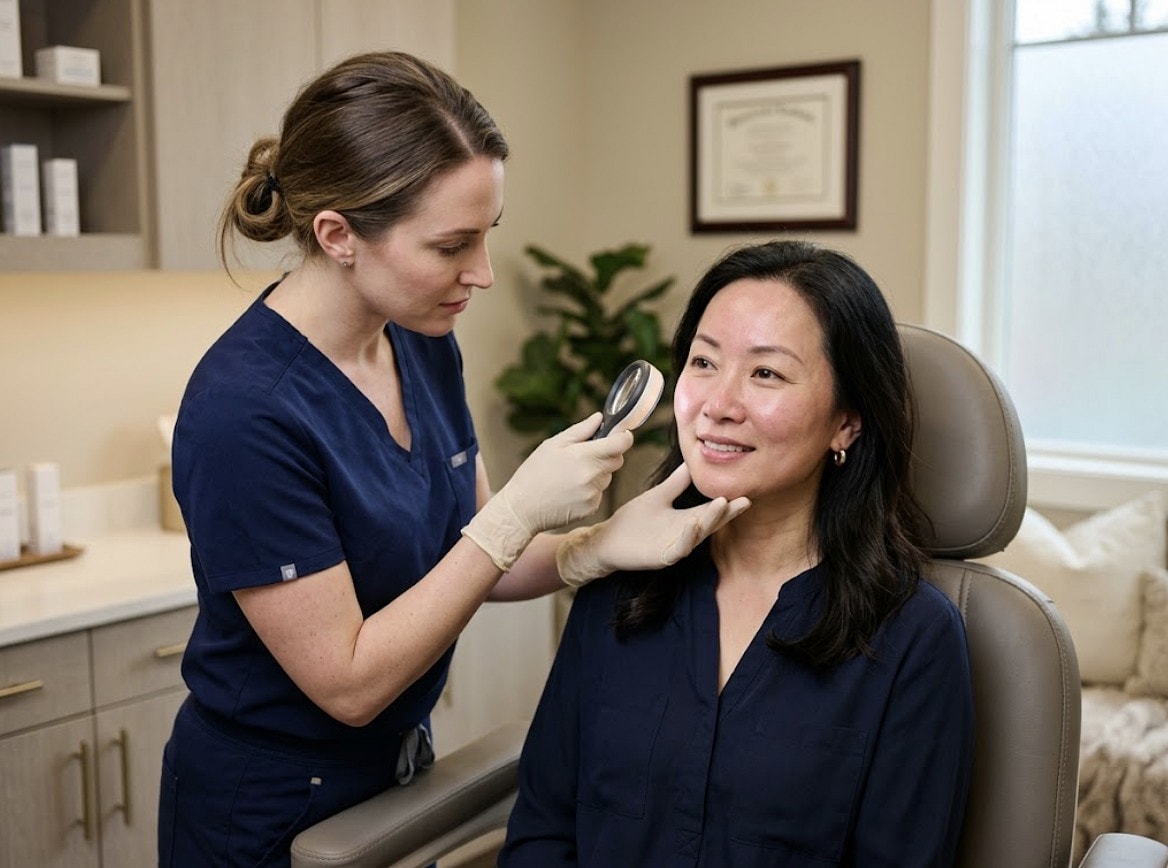
Once peeling settles, your skin may look smoother but remain pinker than usual.
The duration of pinkness varies. Treatment intensity, individual sensitivity, and skin tone can all affect how quickly color returns closer to baseline.
Some patients also need to be more cautious about hyperpigmentation after laser treatment. Post inflammatory hyperpigmentation can occur when healing skin produces excess pigment after inflammation or injury.
This makes sun protection especially important. Even on cloudy days in Bellevue, ultraviolet exposure still reaches the skin.
Your provider may also consider your history of pigment changes when choosing treatment settings and planning aftercare.
The surface may look increasingly normal during these weeks, while deeper tissue changes continue more gradually.
When Will You See Results After CO2 Laser Treatment?
CO2 laser results do not appear all at once.
Some early improvement may become visible as peeling resolves and the surface looks smoother. Other changes depend on the slower remodeling process taking place beneath the skin.
Early Changes in Skin Texture
Kucumber notes that some SmartXide patients may start to see a more refreshed appearance about a week after treatment.
At this point, pinkness may still be present. Results also depend on the concern being treated and the intensity of the laser session.
A person treating mild texture concerns may have a different experience from someone receiving treatment for deeper lines or scars.
Collagen Remodeling Takes Longer
Collagen changes develop over a longer period than surface healing.
As the skin repairs itself, existing collagen structures change, and new collagen formation may occur. This process can continue for several months.
That is why improvements in texture, fine lines, firmness, and certain scars may continue developing after the visible recovery period ends.
CO2 laser resurfacing should not be expected to erase every wrinkle, scar, or area of hyperpigmentation. Your provider can give you a more realistic idea of what the treatment may accomplish based on your skin and goals.
Once results begin to develop, good aftercare helps protect your skin's progress.
CO2 Laser Recovery Tips for Supporting the Healing Process
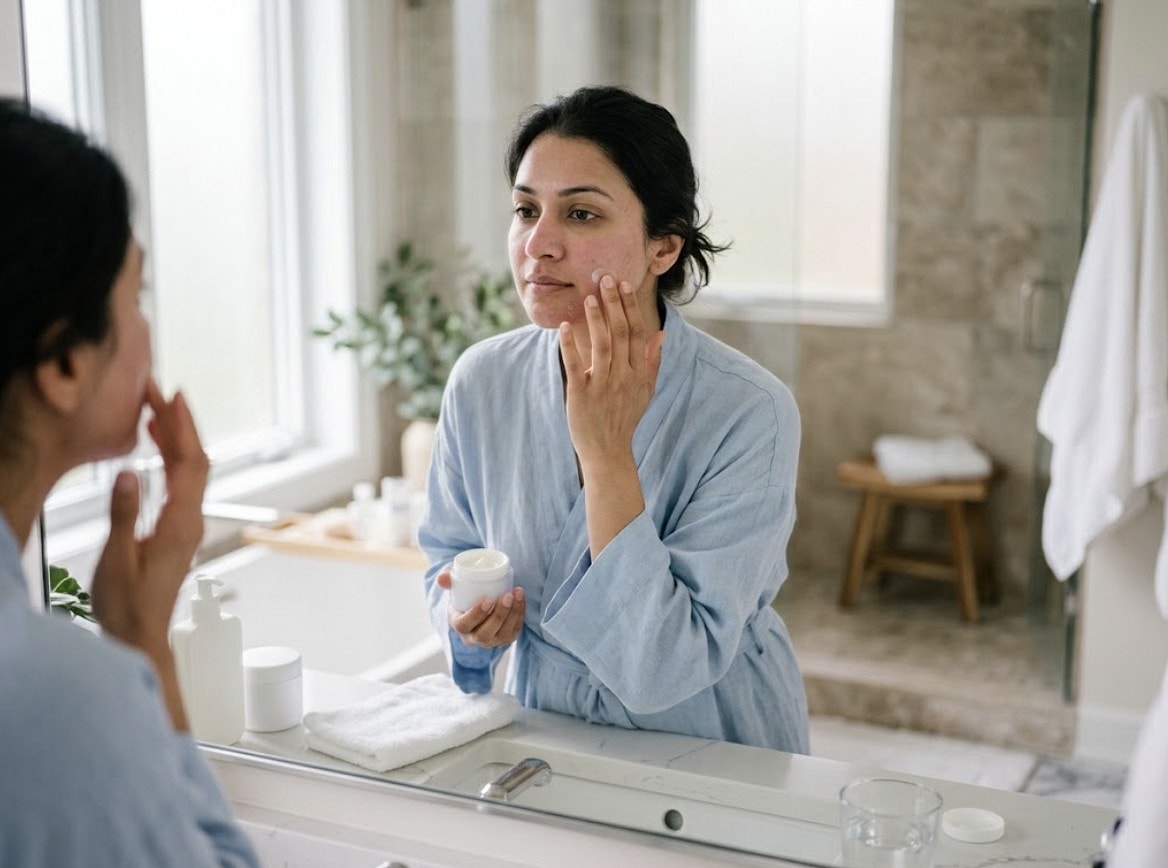
A complicated skincare routine is usually not what freshly treated skin needs.
During early CO2 laser recovery, prioritize protecting the skin barrier, maintaining appropriate moisture, and avoiding unnecessary irritation.
Keep the Treated Area Moisturized
Use the ointment, moisturizer, or other topical product your treatment specialist recommends.
Early healing skin can lose moisture easily, so keeping the area appropriately hydrated may help reduce excessive dryness and support the skin barrier while it repairs.
Avoid introducing several unfamiliar products at once. Fragrances, exfoliating ingredients, and other active formulas may be too irritating during this stage.
Protect Your Skin From the Sun
Sun protection matters because UV exposure can contribute to unwanted pigment changes in recently treated skin.
Avoid unnecessary direct sun exposure during recovery. Once your provider says sunscreen is appropriate, use a broad-spectrum product as directed.
A hat and shade can also help when you need to be outside.
Bellevue's cloudy weather can make sun protection easy to overlook, but clouds do not completely block UV radiation.
Let Peeling and Crusting Resolve Naturally
Allow dry skin and crusting to loosen on their own.
Do not scrub, pick, or intentionally exfoliate the treated area. Older clinical guidelines for CO2 laser procedures discuss pigment changes, prolonged healing, infection, and scarring as recognized potential complications, which is one reason careful wound care matters during recovery.
Supporting the skin is usually more useful than trying to make it peel faster.
Just as important as knowing what to do is knowing which parts of your normal routine should temporarily wait.
What Should You Avoid After CO2 Laser Resurfacing?
Freshly treated skin is more sensitive than usual, so you may need to temporarily adjust your regular skincare and activity schedule.
During active healing:
- Do not exfoliate peeling or crusting skin.
- Avoid scrubs, cleansing brushes, and abrasive products.
- Do not restart retinol, exfoliating acids, or strong active ingredients until your provider approves them.
- Avoid picking flakes or crusts.
- Limit direct sun exposure.
- Ask your provider when you can return to swimming, strenuous exercise, heat exposure, and makeup.
There is no universal day when every patient can restart retinol, acids, or their full skin care routine.
Your provider should base that decision on how well your skin barrier has healed, not the date alone.
This individualized approach matters because several factors can change how quickly your skin recovers.
What Can Affect CO2 Laser Recovery Time?
Two people can have the same type of laser treatment and still recover at different rates.
Several variables influence downtime.
Treatment Intensity
Higher energy, greater density, deeper treatment, or additional passes can create a stronger tissue response.
More intensive treatment may also mean more redness, swelling, peeling, or recovery time.
Skin Tone and Pigmentation History
Consider skin tone and previous pigment changes when planning laser resurfacing.
Some patients may be more prone to post-inflammatory hyperpigmentation after skin injury. Appropriate patient selection, laser settings, and sun protection can therefore play an important role in treatment planning.
Treatment Area
Different areas can heal at different rates.
Your provider should consider the treatment location rather than assuming every part of the face or body will follow the same timeline.
Your Skin and Medical History
Your consultation may include questions about recent sun exposure, medications, active skin conditions, previous procedures, pigment concerns, and a history of cold sores.
These details help your provider decide whether treatment is appropriate and how to approach it.
At Kucumber Skin Lounge, that individual assessment fits a broader philosophy of thoughtful, personalized aesthetic care rather than applying the same treatment plan to every guest.
Individual differences are expected, but some changes deserve closer attention.
What Is Normal After CO2 Laser Treatment, and When Should You Call Your Provider?
Redness, swelling, sensitivity, peeling, and crusting can occur during normal CO2 laser recovery.
What matters is how those symptoms change over time. Recovery should generally improve, not worsen, over time.
Contact your treatment provider if you notice:
- Redness or swelling that becomes significantly worse
- Increasing or severe pain
- Pus or unusual drainage
- Fever or other possible signs of infection
- Blistering or a possible cold sore outbreak
- Unexpected pigment changes
- Extensive or persistent crusting
- Healing that seems significantly delayed
These signs do not automatically mean a serious complication has occurred, but they should be assessed rather than managed through guesswork at home.
Clear communication with your provider is especially useful when treatment needs to fit around a busy work or social schedule.
Planning CO2 Laser Recovery Around Work and Events in Bellevue
Recovery planning matters when your calendar includes meetings, travel, weddings, professional photography, or social events.
Kucumber reports that residual redness and swelling after SmartXide commonly last around five days. It is still smart to leave additional flexibility in your schedule because pinkness, dryness, or peeling may last longer.
Someone working remotely may feel comfortable returning to work sooner than someone who spends the day meeting clients in person or appearing on camera.
If you are preparing for a wedding, vacation, major presentation, or another important Bellevue event, talk with your provider about timing before scheduling treatment.
Extra recovery time can make the experience feel much less rushed.
With the practical timeline covered, the final step is deciding how CO2 resurfacing fits your own skin goals.
CO2 Laser Recovery in Bellevue Starts With a Personalized Plan
The most visible part of CO2 laser recovery often happens during the first week, but healing continues longer.
Skin tone, treatment intensity, treatment area, sun exposure, skin care, and individual biology all affect how recovery progresses. Pinkness may outlast peeling, and collagen remodeling can continue well after your skin looks more settled.
At Kucumber Skin Lounge, our approach centers on personalized treatment planning and clear guidance before and after your appointment. Since 2010, our team has focused on medical-grade aesthetic care that considers both the treatment itself and the experience surrounding it.
A consultation can help you understand what level of treatment may fit your skin, how much downtime to plan for, and how to care for your skin afterward.
The questions below cover several of the most common concerns people have before scheduling treatment.
Frequently Asked Questions About CO2 Laser Recovery
1. How long does CO2 laser recovery usually take?
The most noticeable redness, swelling, peeling, and crusting often occur during the first several days.
Kucumber notes that residual redness and swelling after SmartXide treatment commonly last about five days, though some pinkness or sensitivity may continue after that.
Deeper tissue remodeling continues long after visible downtime.
2. How long does redness last during CO2 laser recovery?
Redness usually becomes less noticeable as healing progresses, but the exact timeline varies by person.
Treatment intensity, skin characteristics, and individual healing can all affect how long pinkness remains.
Contact your provider if redness worsens rather than gradually improving.
3. When can I wear makeup after CO2 laser treatment?
Wait until your provider approves makeup.
Applying cosmetic products while the area is still actively oozing, crusting, or peeling may irritate the skin.
Because treatment depth varies, personalized instructions are more useful than following a fixed number of days.
4. When can I exfoliate or restart retinol after CO2 laser resurfacing?
Do not exfoliate while your skin is actively peeling or crusting.
Reintroduce retinol, exfoliating acids, and other active ingredients gradually after your skin barrier has recovered and your provider says they are appropriate.
Starting too early may increase irritation.
5. Why is sunscreen important after CO2 laser treatment?
Recently treated skin can be more vulnerable to UV-related irritation and pigment changes.
Once your provider approves sunscreen, consistent broad-spectrum sun protection can help protect the treated area while the skin continues healing.
If you are considering CO2 laser resurfacing in Bellevue, meet with a Kucumber Skin Lounge provider to discuss your skin goals, expected downtime, and a recovery plan that fits your schedule. Book your Bellevue consultation when you are ready to explore whether CO2 laser resurfacing fits your skin care goals.




Seattle