 Text
Text  Book
Book  Call
Call 


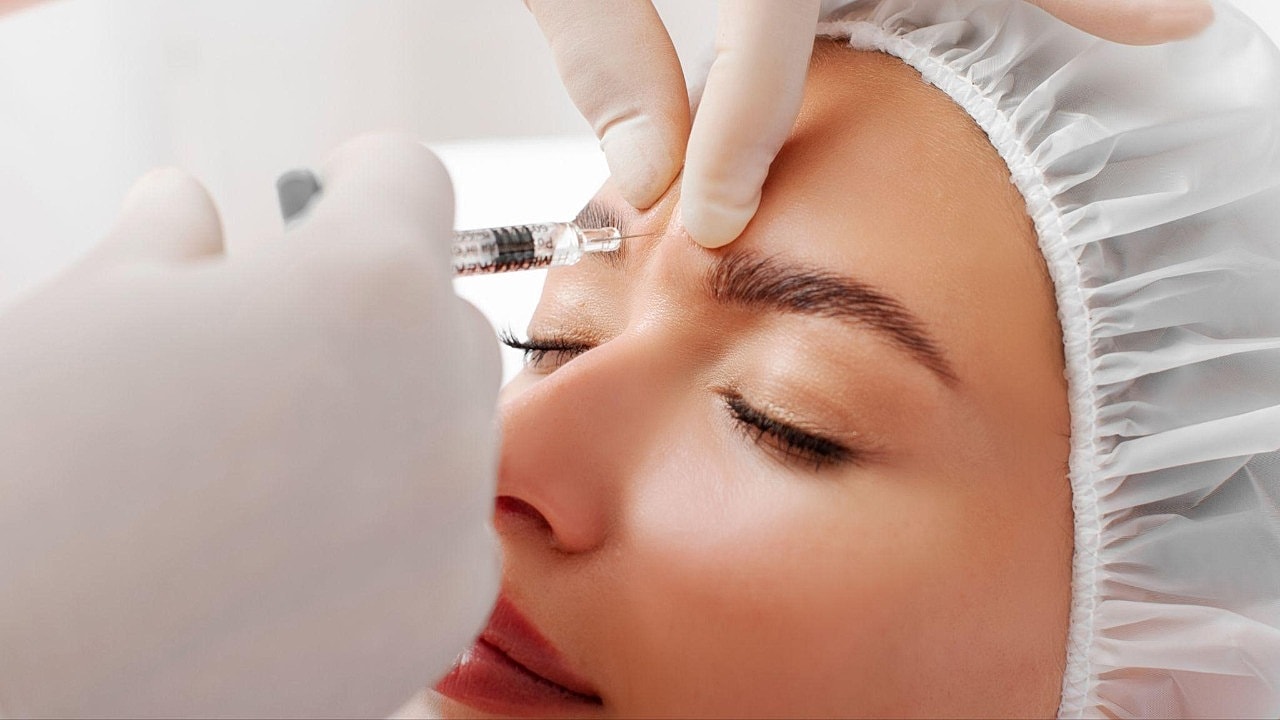
A migraine can ruin your day before you even open your laptop.
Maybe it starts as pressure behind your eye. Then light feels too sharp, sounds feel too loud, and the simple plan you had for the day disappears. If this keeps happening again and again, you may be dealing with more than a regular headache.
If you are searching for Botox for migraines in Bellevue, WA, you may want a treatment option that helps prevent migraine attacks instead of only reacting once pain starts. Botox, also known as onabotulinumtoxinA, is FDA-approved for the treatment of chronic migraine in adults who meet specific criteria. Cleveland Clinic notes that Botox for migraines may be recommended for people who have 15 or more headache days per month.
At Kucumber Skin Lounge in Bellevue, WA, Botox treatment is offered with a focus on comfort, safety, and personalized care. The practice confirms that botulinum toxin type A is used for chronic migraine, along with other medical and cosmetic uses.
📋What You’ll Learn From This Article
This guide explains how Botox fits into migraine care, what treatment involves, and what you should ask before you receive Botox. You will learn:
- What chronic migraine means
- How Botox works for migraine prevention
- Who may be a good candidate
- What happens during a Botox injection appointment
- How often are injections for migraine usually scheduled
- Possible side effects of Botox
- How Botox for migraine differs from Botox for cosmetic wrinkle treatment
- Why provider training matters
This article is educational. It does not replace care from your primary care provider, neurologist, or headache specialist.
What Is Botox for Migraines?
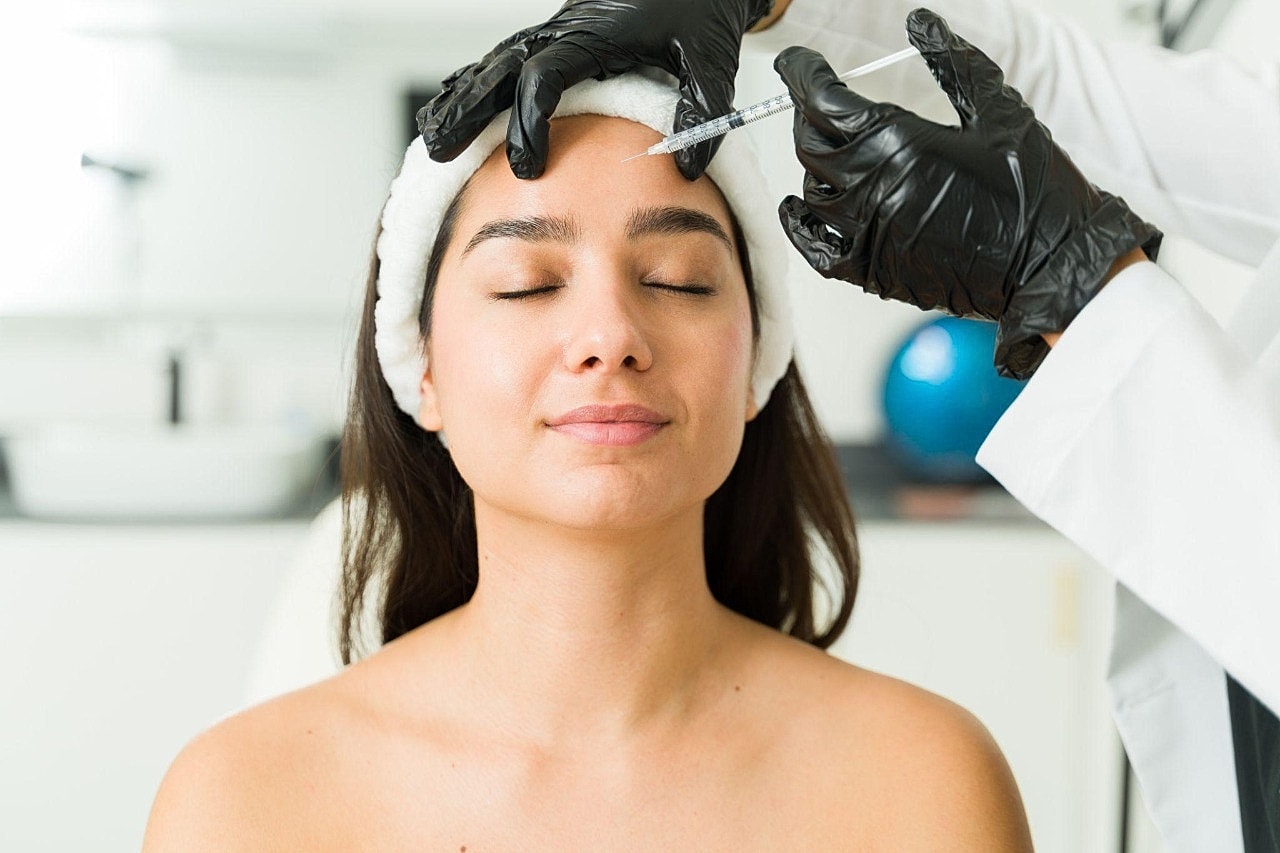
Botox is a botulinum toxin product made from a purified form of botulinum toxin type A. The medical name is onabotulinumtoxinA. That word sounds a little intense, honestly, but the treatment uses carefully measured doses in specific areas.
Botox for migraine is not the same as taking pain medicine during a migraine headache. It works as a preventive treatment, which means the goal is to reduce headache frequency and severity over time. Johns Hopkins Medicine explains that botulinum toxin injectables were approved by the FDA in 2010 for migraine treatment.
Botox works by blocking nerve signals that play a role in pain transmission. For chronic migraine patients, this may help reduce how often migraine attacks happen. It does not cure migraine, and it does not stop every headache, but it may make life feel more predictable for the right patient.
Chronic Migraine vs Episodic Migraine
Before you consider Botox, you need to understand the difference between episodic migraine and chronic migraine.
Episodic Migraine
Episodic migraine means migraine attacks happen fewer than 15 days a month. You may still have painful, disruptive symptoms, but your headache days do not meet the usual threshold for chronic migraine.
A patient with episodic migraine may need lifestyle support, trigger management, acute medication, or another migraine treatment. Botox is generally not used the same way for episodic migraine.
Chronic Migraine
Chronic migraine means you have frequent headache days. Many medical sources define it as 15 or more headache days a month, with migraine symptoms on at least some of those days. Botox Chronic Migraine, the official patient site, describes chronic migraine as 15 or more headache days a month, each lasting 4 or more hours.
This difference matters because Botox is approved for adults with chronic migraine, not for every person who gets occasional headaches.
Who May Be a Candidate for Botox for Migraines?
You may be a candidate if migraine attacks regularly interfere with your life. That can mean missed work, canceled plans, poor sleep, or needing rescue medication often.
A provider may discuss Botox if you have:
- 15 or more headache days per month
- Migraine days that affect your normal routine
- A history of trying other migraine treatment options
- Headache and migraine symptoms that keep coming back
- A pattern that suggests chronic migraine, not occasional headache
You may not be a candidate if you are pregnant, breastfeeding, allergic to any botulinum toxin product, or have an infection at an injection site. Kucumber Skin Lounge also notes that patients with neuromuscular conditions such as myasthenia gravis may not be appropriate candidates for Botox.
Tell your provider everything you take. This includes prescriptions, supplements, muscle relaxers, blood thinners, and any previous Botox®, Dysport, Xeomin, or other botulinum toxin injections.
How Botox Helps Prevent Migraines
Botox works by blocking certain nerve signals. In cosmetic use, this helps relax muscles that create a wrinkle. In migraine treatment, the goal is different. The provider injects Botox into planned areas around the head and neck to help calm pain signaling linked with chronic migraine.
The effects of Botox are not instant. Your body needs time to respond after the injection of Botox. Some people notice changes within a few weeks, while others need more than one treatment cycle before they can judge results.
Clinical trials support the use of onabotulinumtoxinA for chronic migraine. PREEMPT 2, one of the major clinical trials, found that onabotulinumtoxinA was effective for headache prevention in adults with chronic migraine and that repeated treatments were generally well tolerated.
What Happens During Botox Treatment for Migraines?

Your first treatment should start with a consultation. Your provider will ask how many headache days you have, how many migraine days you experience, what your symptoms feel like, and what treatments you have already tried.
The actual Botox injection process usually involves small injections across specific head and neck areas. The FDA label for Botox lists a recommended chronic migraine dose of 155 units, divided across specific head and neck muscle areas.
You may feel quick pinches during treatment. Most people describe the injection feeling as brief and tolerable. You might have small bumps, redness, or soreness at an injection site, but these usually fade.
Botox for Migraine Treatment Areas
Botox for the treatment of chronic migraine uses a different injection pattern than Botox for cosmetic wrinkle treatment. The placement matters. A few cosmetic injections in the forehead do not equal medical migraine treatment.
Common treatment areas may include:
- Forehead
- Temples
- Back of the head
- Upper neck
- Shoulder area
This is why a careful consultation matters. Your provider needs to understand whether you are asking about migraine prevention, cosmetic Botox, or both.
Botox for Migraines vs Cosmetic Botox
Botox for cosmetic use targets facial movement that causes wrinkles. It can soften forehead lines, frown lines, and crow’s feet. Kucumber Skin Lounge explains that Botox blocks nerve signals to targeted muscles, which can smooth dynamic wrinkles caused by repeated expressions.
Botox for migraine has a different goal. It targets chronic migraine prevention. The injection sites, dose, and follow-up plan differ from wrinkle treatment.
Category | Botox for Migraine | Botox for Cosmetic Wrinkles |
|---|---|---|
Main goal | Prevent migraine attacks and reduce headache days | Soften lines caused by facial movement |
Common areas | Head and neck, including forehead, temples, back of head, neck, and shoulders | Forehead, frown lines, crow’s feet, and other facial areas |
Treatment pattern | Medical migraine protocol | Cosmetic facial mapping |
Timing | Often repeated every 12 weeks when appropriate | Often repeated every 3 to 4 months |
Expected result | Fewer headache days or less severe migraine symptoms | Smoother, more relaxed facial appearance |
Tell your provider if you recently had cosmetic Botox. Your total dose matters. Getting too much botulinum toxin too close together can raise the risk of unwanted toxin effects.
How Often Do You Need Botox for Migraine Relief?
Botox treatment for chronic migraine is commonly repeated every 12 weeks. The official Botox prescribing information lists chronic migraine treatment as repeated every 12 weeks.
You should not expect one appointment to answer everything. Some patients need two or three treatment cycles before they know whether Botox works well for them.
Your provider may adjust your plan based on:
- Headache days per month
- Migraine days
- Medication use
- Side effects of Botox
- Changes in headache frequency and severity
- Any worsening of migraine symptoms
A headache diary helps. It gives your provider real data instead of a rough guess from memory.
What Results Can You Expect?
Botox may reduce the number of headache days you have each month. It may also reduce migraine severity, medication use, or the number of days you lose to symptoms.
Results vary. Some patients with chronic migraine respond very well. Others notice mild changes or no meaningful improvement. That is why your provider should set realistic expectations before your first treatment.
You may want to track:
- Total headache days a month
- Migraine days
- Pain severity
- Nausea or light sensitivity
- Rescue medication use
- Missed work or activities
- Neck pain or shoulder tension
The effectiveness of Botox should be judged by patterns over time, not just one good week or one bad week.
Possible Side Effects of Botox
Most side effects of Botox are mild and temporary. You may notice soreness, bruising, swelling, redness, headache, or neck pain after treatment.
Less common side effects can be more serious. The Botox prescribing information includes warnings about the possible spread of toxin effect, which may cause symptoms such as muscle weakness, trouble swallowing, or breathing problems.
Call a healthcare provider right away if you notice:
- Trouble breathing
- Trouble swallowing
- Severe muscle weakness
- Vision changes
- Severe allergic reaction
- Symptoms that feel unusual or concerning
This is one reason dose, placement, and screening matter so much.
Botox and Pregnancy, Medications, and Medical Conditions
Treatment during pregnancy requires caution. Many providers avoid Botox during pregnancy or breastfeeding because safety data can be limited for those situations. Always tell your provider if you are pregnant, trying to become pregnant, or breastfeeding.
You should also discuss medical conditions that affect muscles or nerves. Some neuromuscular disorders can increase the risk of unwanted botulinum toxin effects.
Bring a full medication list to your appointment. Certain medications may affect bleeding risk, muscle activity, or how your body responds to treatment.
Why Choose Kucumber Skin Lounge in Bellevue, WA?
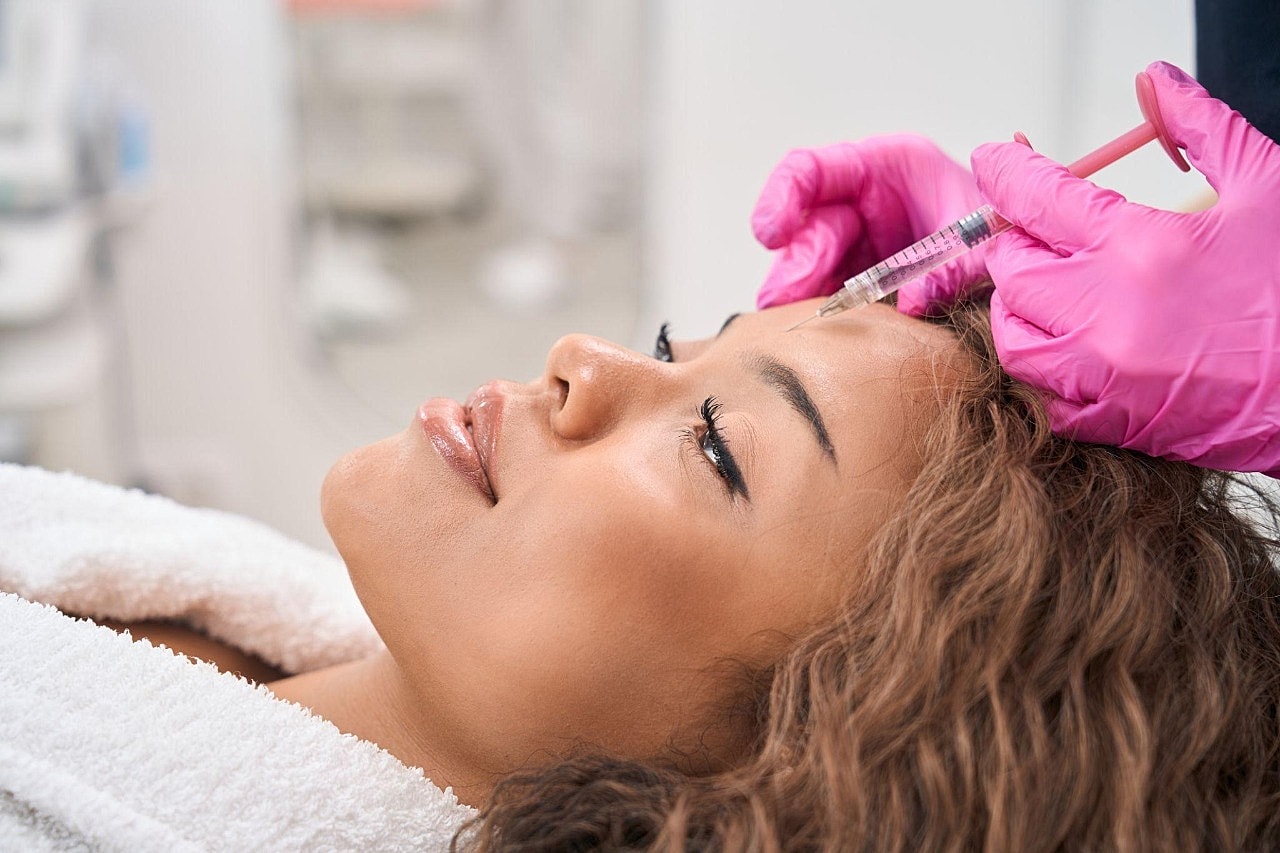
Kucumber Skin Lounge has locations in Seattle, Bellevue, and Bellingham. The Bellevue location is listed at 10708 Main St, #310, Bellevue, WA 98004.
The practice states that it has focused on medical-grade aesthetic care since 2010 and creates personalized treatment plans based on guests' goals, comfort, safety, and satisfaction.
Botox requires more than a quick injection. You need a provider who understands anatomy, product behavior, dosing, and when a patient needs medical coordination beyond the med spa visit. For chronic migraine, that may include communication with your primary care provider, neurologist, or headache specialist.
How to Prepare for Your Botox Migraine Consultation
Come prepared. The more specific you are, the easier it is for your provider to understand your migraine pattern.
Bring or write down:
- How many headache days you have each month
- How many of those are migraine days
- How long your migraine attacks last
- What symptoms you get, such as nausea, light sensitivity, or sound sensitivity
- What medications and supplements you take
- What treatments you have already tried
- Any history of Botox, Dysport, Xeomin, or other botulinum toxin injections
Ask direct questions. You can ask how many injections may be used, where the injection sites are, how often you may need treatment, what side effects to watch for, and when you should check in with a headache specialist.
FAQs About Botox for Migraines in Bellevue, WA
Is Botox approved for the treatment of chronic migraine?
Yes. Botox is FDA-approved for chronic migraine prevention in adults who meet the appropriate criteria. Botulinum toxin injectables were approved by the FDA for migraine treatment in 2010.
How many headache days do I need before considering Botox?
Many providers consider Botox when a patient has 15 or more headache days per month. Your provider still needs to review your full history before recommending treatment.
Does Botox stop a migraine that already started?
No. Botox does not work like a rescue medication. It is a preventive treatment that may reduce headache days and migraine attacks over time.
How often do I need Botox injections for migraine?
Treatment is commonly repeated every 12 weeks when appropriate. Your provider will recommend a schedule based on your response and safety profile.
Is Botox for migraine the same as Botox for cosmetic wrinkles?
No. The active product may be the same, but the goal, dose, and injection pattern are different. Migraine Botox focuses on prevention. Cosmetic Botox focuses on softening wrinkles.
Can I get cosmetic Botox and Botox for migraine at the same time?
Possibly, but your provider needs to review your total dose and timing. Always mention recent or planned cosmetic Botox before receiving treatment for migraine.
Botox May Help You Take Back More Migraine-Free Days
Chronic migraine can make your calendar feel impossible to trust. You may start planning around pain before it even happens. Botox gives some adults with chronic migraine a preventive treatment option that may reduce headache days and help make symptoms more manageable.
The right plan starts with proper screening. Botox for migraine is not the same as a quick wrinkle appointment. It requires the right diagnosis, careful injection mapping, clear expectations, and follow-up over time.
If you are considering Botox for migraines in Bellevue, WA, schedule a consultation with Kucumber Skin Lounge. A trained provider can review your symptoms, discuss your goals, and help you decide whether Botox treatment makes sense for your chronic migraine care.
Schedule a consultation today to learn if Botox may be the right next step for your migraine relief plan.
Metadescription:
Reduce headache days with Botox for migraines in Bellevue, WA. Learn if this preventive treatment is right for you. Schedule your consultation today.