 Text
Text  Book
Book  Call
Call 


Acne may clear, but the scars can stay. You finally stop getting painful breakouts, then the mirror catches something else. Tiny dips on your cheeks. Uneven texture near old acne spots. Dark marks that make your skin look irritated, even when it feels calm.
That is why many people search for acne scar treatment in Bellevue, WA, after creams and serums stop giving them the change they want. Acne scars often need professional treatment because they can affect the deeper layers of skin, not just the surface. At Kucumber Skin Lounge, treatment options may include microneedling, chemical peels, VI Peels, Laser Skin Rejuvenation, Spectra Hollywood Peel, and CO2 Laser Resurfacing.
The right treatment depends on your scar type, skin tone, active acne history, and goals. Ice pick scars, boxcar scars, rolling scars, raised acne scars, and post-inflammatory marks do not all respond the same way. That is why a personal skin evaluation matters before starting any treatment plan.
📋What You’ll Learn From This Guide
- Why acne scars can remain after active acne clears
- The difference between true scars and post-inflammatory dark spots
- How scar type affects your treatment options
- How microneedling, chemical peels, and VI Peels may improve texture and discolorations
- How Laser Skin Rejuvenation, Spectra Hollywood Peel, and CO2 Laser Resurfacing may help smoother skin
- Why most acne scars need a series of treatments, not just one session
- What results you can realistically expect from acne scar treatment
- What to ask during your consultation at Kucumber Skin Lounge in Bellevue, WA
Understanding Acne Scars: Why They Form
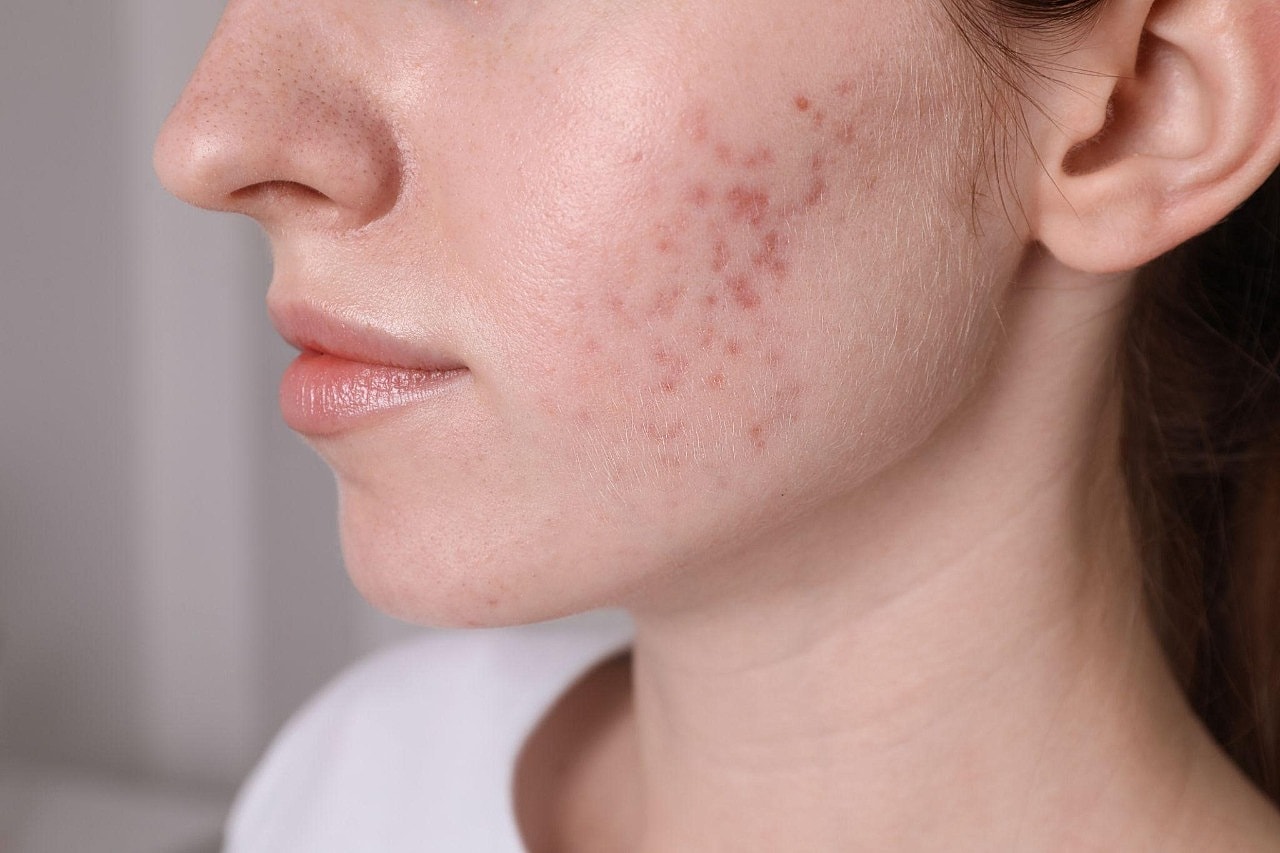
Acne scars form when inflammation from acne damages the skin’s deeper support structure. Mild acne may heal without leaving a lasting mark, but deeper acne lesions can injure collagen beneath the surface.
The Mayo Clinic explains that acne scar treatment depends on scar type, skin type, and the severity of scarring. No single treatment works best for everyone, which is why professional evaluation matters.
How Acne Damages the Skin
Deep acne creates inflammation below the top layer of skin. When that inflammation spreads into the dermis, it can damage collagen, elastin, and surrounding tissue.
When the skin heals, it tries to repair that damage. If your body makes too little collagen, depressed scars or indented scars can form. If your skin produces too much collagen, raised scars, hypertrophic scars, or keloid scars may develop.
Why Acne Scars Can Last for Years
A true acne scar is not just a dark mark. It is a change in skin structure.
That is why brightening creams may help an acne spot, but they usually cannot lift the base of the scar or smooth deep atrophic scarring. Treating acne early, avoiding picking, and controlling active acne can reduce the risk of new scars.
The Different Types of Acne Scars
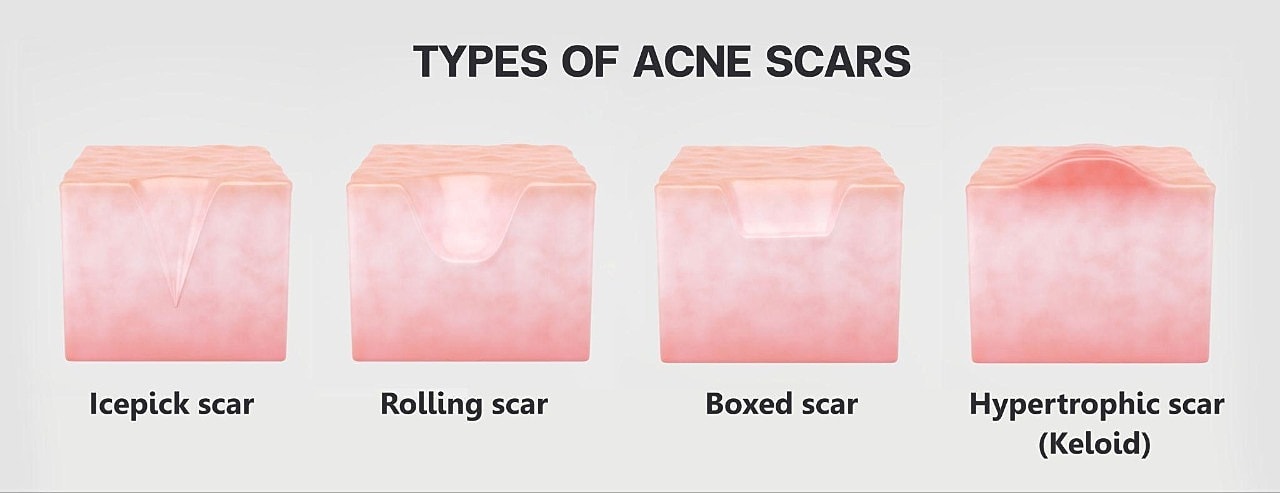
Acne scar treatment starts with identifying the type of acne scar. This step matters because each type of scar responds differently to treatment.
A provider may look at scar depth, scar edges, skin tone, redness, texture, and whether active acne is still present.
Ice Pick Scars
Ice pick scars look like narrow, deep pits in the skin. They may appear small at the surface but extend deeper into the dermis.
These scars can be difficult to treat because they are deep and narrow. They may need a more aggressive treatment plan or a series of treatments to improve the appearance of the scar.
Boxcar Scars
Boxcar scars are wider depressions with more defined edges. They often appear on the cheeks and temples.
Shallow boxcar scars may respond well to collagen-focused treatments such as microneedling, Laser Skin Rejuvenation, or resurfacing treatments. Deeper boxcar scars may need multiple sessions.
Rolling Scars
Rolling scars create soft waves or uneven dips across the skin. They often happen when fibrous bands pull the skin downward from below.
Microneedling and laser treatments may help stimulate collagen and improve acne scars with this type of texture. In dermatology, subcision may sometimes be discussed for deeper rolling scars because it can release bands under the skin.
Post-Inflammatory Marks vs. True Acne Scars
Post-inflammatory marks are flat spots left behind after acne. They may look red, brown, purple, or dark depending on your skin tone.
These marks are not the same as depressed acne scars. Chemical peels, VI Peels, Laser Skin Rejuvenation, and Spectra Hollywood Peel may help with uneven skin tone and discoloration.
Raised Scars, Hypertrophic Scars, and Keloids
Raised acne scars happen when the skin produces too much collagen during the healing process. Hypertrophic scars stay close to the original acne injury. Keloid scars may grow beyond the original acne spot.
Tell your provider if you have a history of keloid scars before any treatment for acne scars. Some procedures need extra caution for keloid-prone skin or deeper skin tones.
Why Creams Usually Have Limited Results on Acne Scars
Skincare can improve the look of your skin, but it has limits. A good routine can support hydration, brighten mild discoloration, reduce redness, and help prevent new breakouts.
The problem is that true acne scarring often sits deeper than a product can reach. Creams work on the surface. Depressed scars involve collagen loss below the surface.
Concern | What It Looks Like | Treatment Options That May Help |
|---|---|---|
Post-inflammatory marks | Flat red, brown, or dark spots | Chemical peel, VI Peel, Spectra Hollywood Peel, Laser Skin Rejuvenation, sunscreen |
Rolling scars | Soft waves or shallow dips | Microneedling, Laser Skin Rejuvenation, possible combination plan |
Boxcar scars | Wider pitted scars with edges | Microneedling, chemical peel, Laser Skin Rejuvenation, CO2 Laser Resurfacing |
Ice pick scars | Narrow, deep pits | Professional evaluation, possible resurfacing plan, possible dermatology referral |
Raised scars or keloids | Firm raised acne scars | Medical evaluation, cautious treatment planning, possible dermatologist care |
Over-the-counter acids, retinoids, and brightening products may help your skin tone. They may also support acne treatment if you still get clogged pores. But they usually cannot rebuild significant collagen loss or resurface deeper texture on their own.
Professional treatments work differently. They use controlled injury, exfoliation, or laser energy to trigger a healing response, stimulate collagen production, and make scars less noticeable over time.
Professional Acne Scar Treatments at Kucumber Skin Lounge
Kucumber Skin Lounge offers several treatment options for acne scarring, uneven skin tone, and texture concerns. These include microneedling, chemical peels, VI Peels, Laser Skin Rejuvenation, Spectra Hollywood Peel, and CO2 Laser Resurfacing.
Kucumber lists acne scarring as a treatable concern and identifies options such as Laser Skin Resurfacing, chemical peels, microneedling, and SPECTRA Hollywood Peel for acne scarring.
Microneedling for Acne Scars
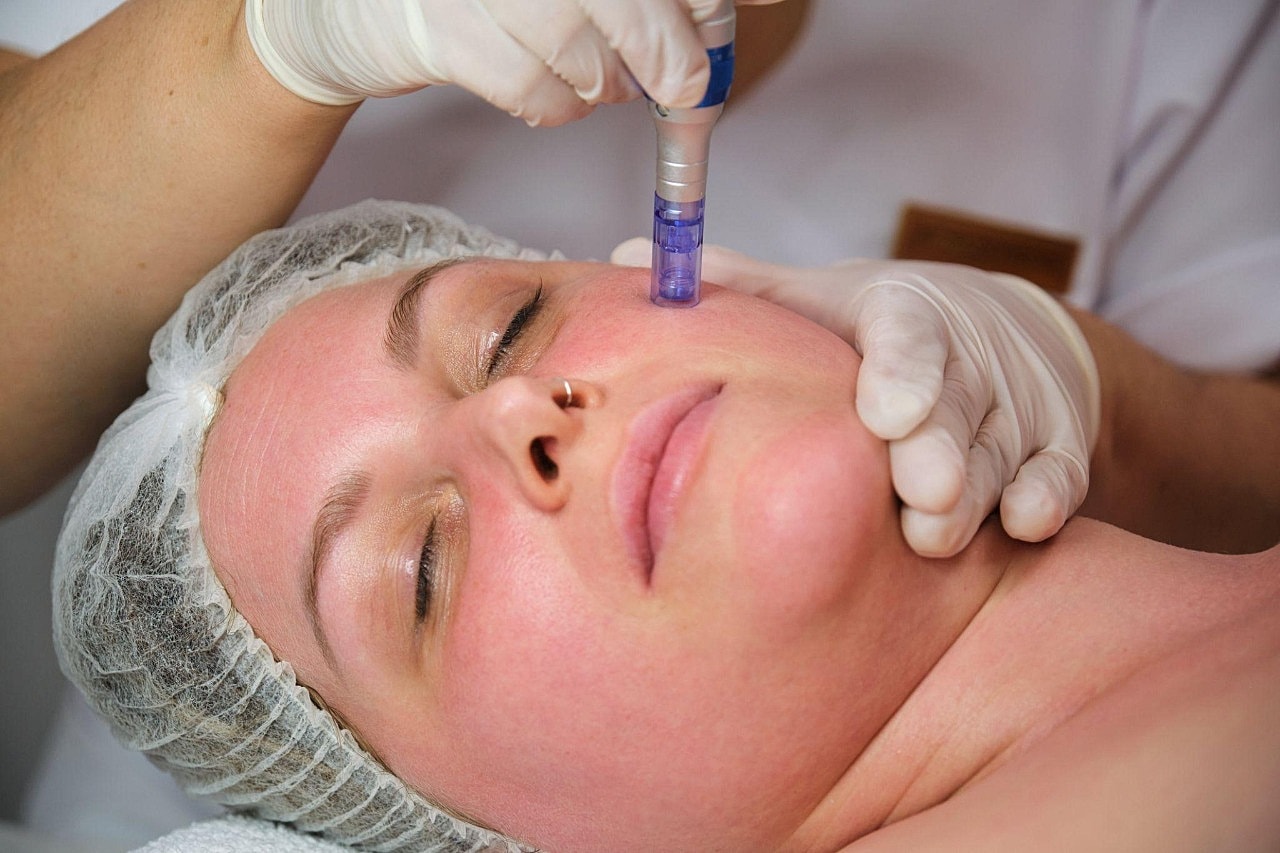
Microneedling uses fine needles to create controlled microchannels in the skin. These channels start a healing response that can stimulate collagen and elastin production.
The American Academy of Dermatology notes that skin professionals use microneedling to improve acne scars, dark spots, large pores, uneven skin texture, and other skin concerns.
Microneedling may help depressed acne scars, rolling scars, shallow boxcar scars, and rough texture. It usually works best as a series of treatments because new collagen forms gradually.
Chemical Peel for Acne Scars and Dark Marks
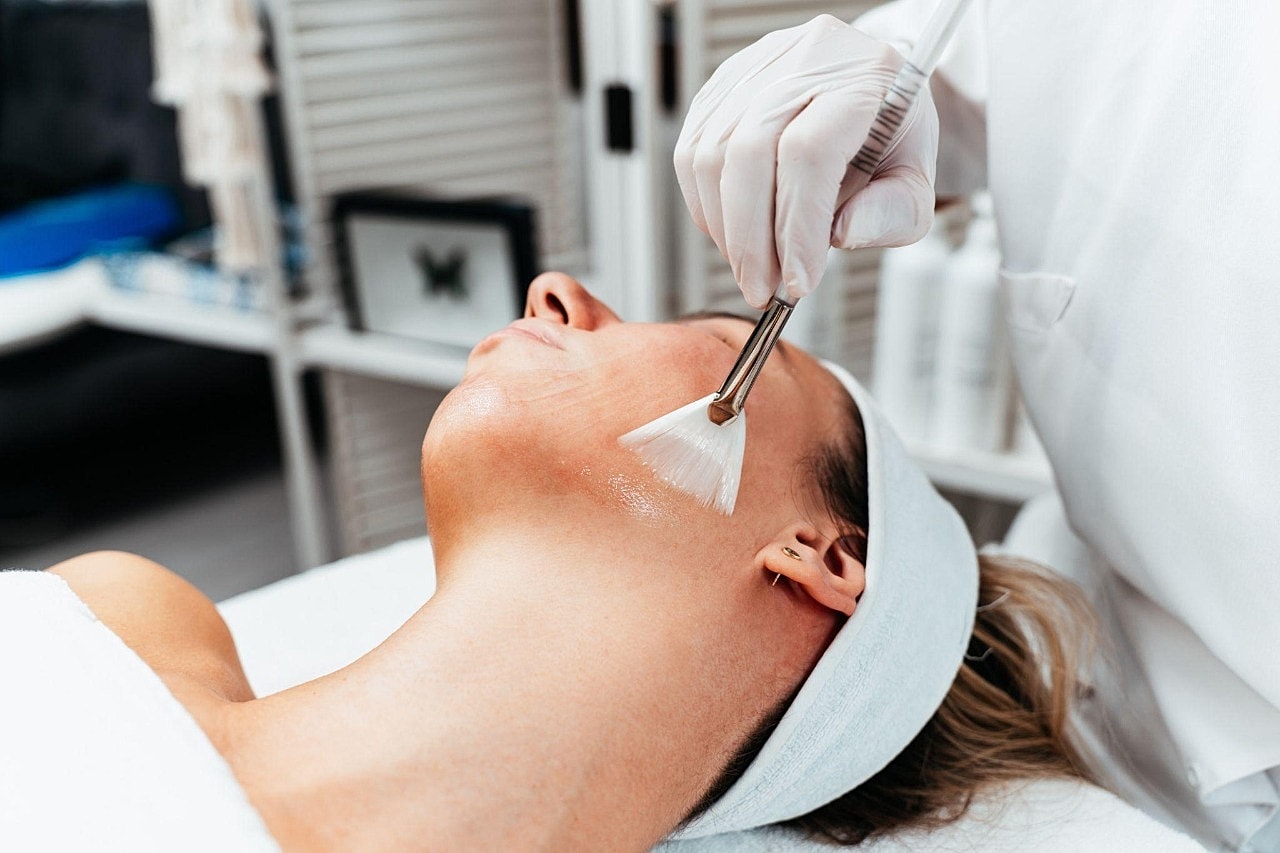
A chemical peel uses a controlled solution to remove damaged outer layers of skin. This helps support cellular turnover and can improve the look of dullness, uneven tone, and mild texture.
Chemical peels remove the top layers of skin, so the skin that grows back appears smoother. Light and medium peels may be repeated to maintain or improve results.
Chemical peels may help post-inflammatory discoloration, acne-related roughness, clogged pores, and mild scarring. They may not be enough for deeply indented scars on their own, but they can support a broader treatment plan.
VI Peel for Acne Scarring
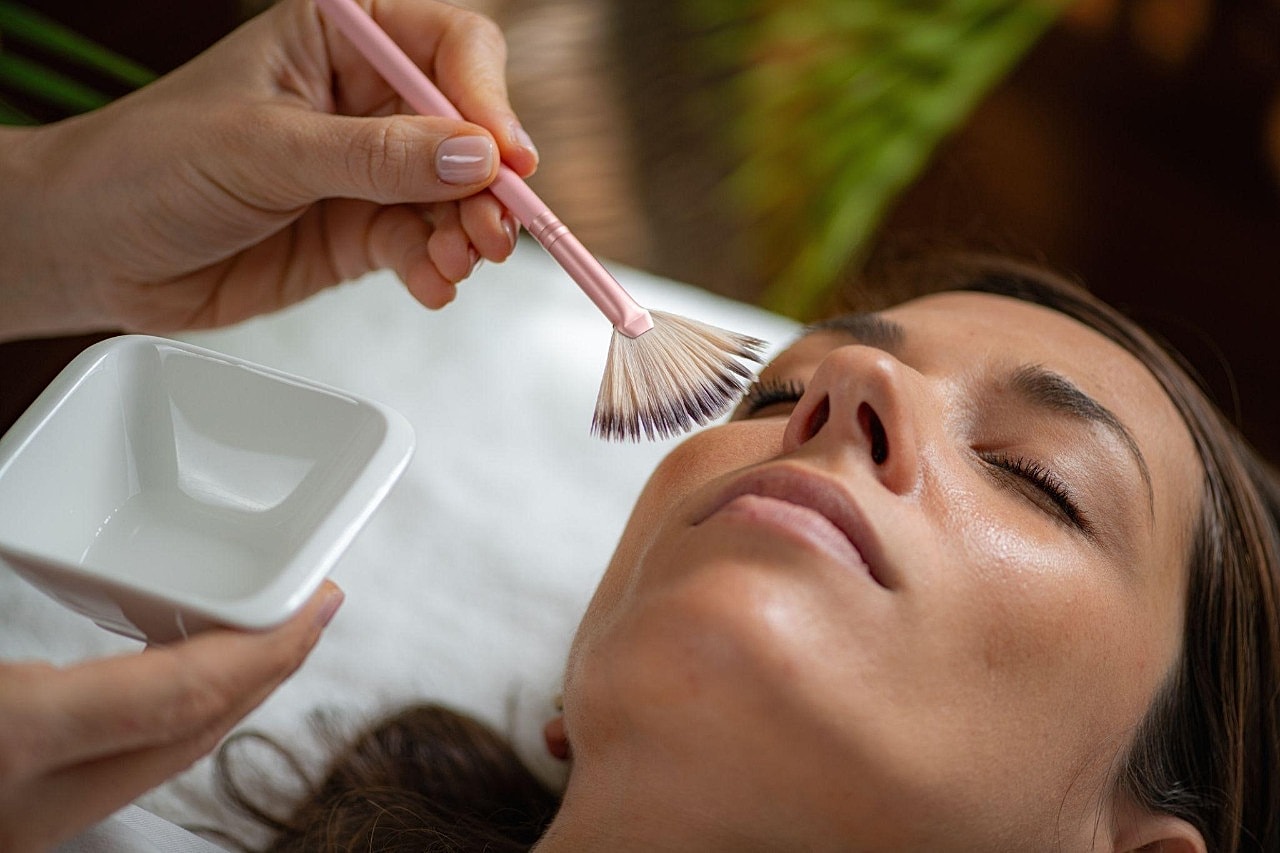
VI Peel treatments use a blend of acids and skin-renewing ingredients to improve tone, texture, and acne-related discoloration. They may help patients who have old acne spots, dull skin, and mild surface irregularities.
A VI Peel can be useful when the main concern is uneven skin tone, along with early acne scarring. It may also help the skin look clearer and smoother when paired with the right home care.
Laser Skin Rejuvenation for Acne Scars
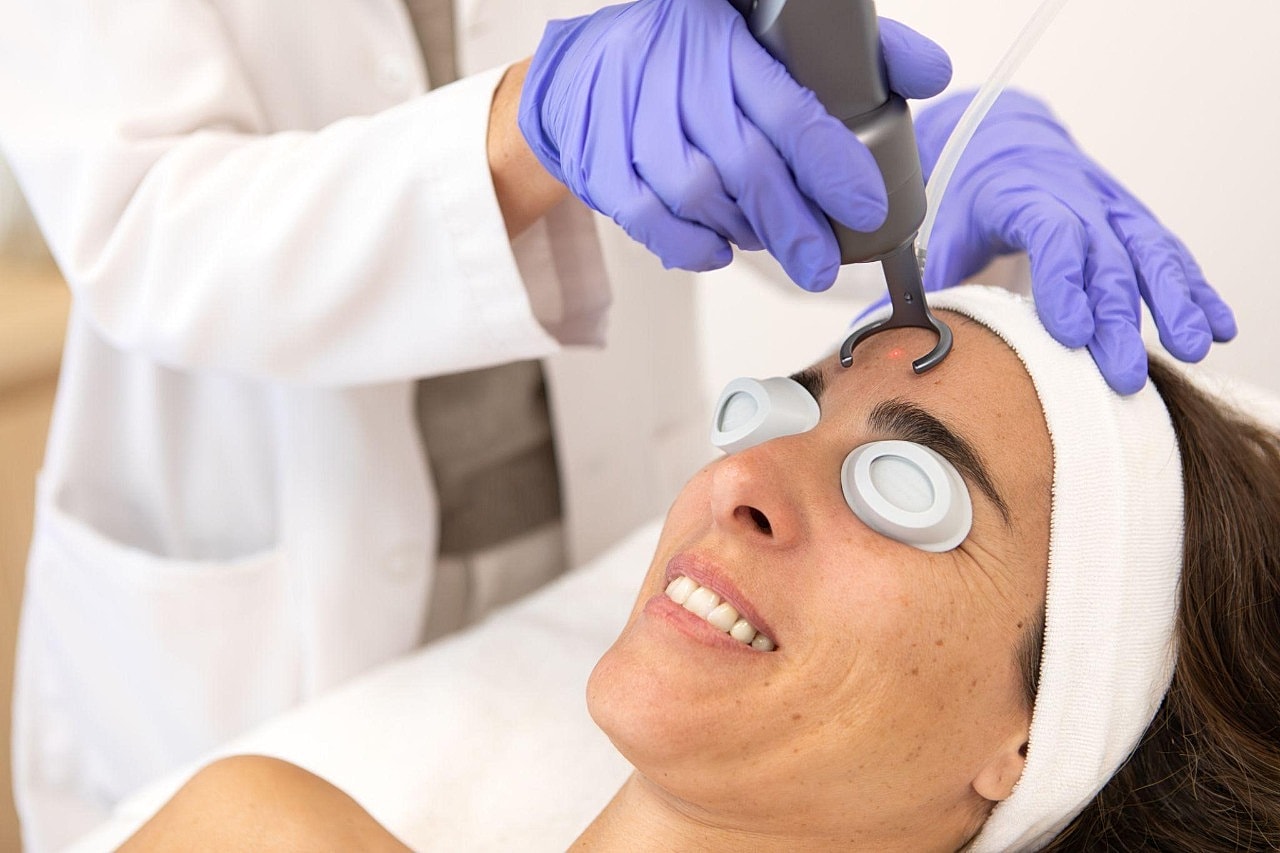
Laser Skin Rejuvenation uses targeted laser energy to improve skin tone, texture, and collagen support. Kucumber Skin Lounge describes Laser Skin Rejuvenation as a treatment that can address acne, acne scars, texture, tone, pigmentation, redness, and other concerns with minimal downtime.
This treatment may be a good fit when your skin has mild texture changes, acne scars, uneven tone, redness, or discoloration. It can help resurface the skin more gently than more intensive laser procedures.
Laser Skin Rejuvenation may not be the right choice for every scar type. Deeper ice pick scars or severe atrophic scarring may need a stronger resurfacing plan or a combination approach.
Spectra Hollywood Peel for Acne Marks and Texture
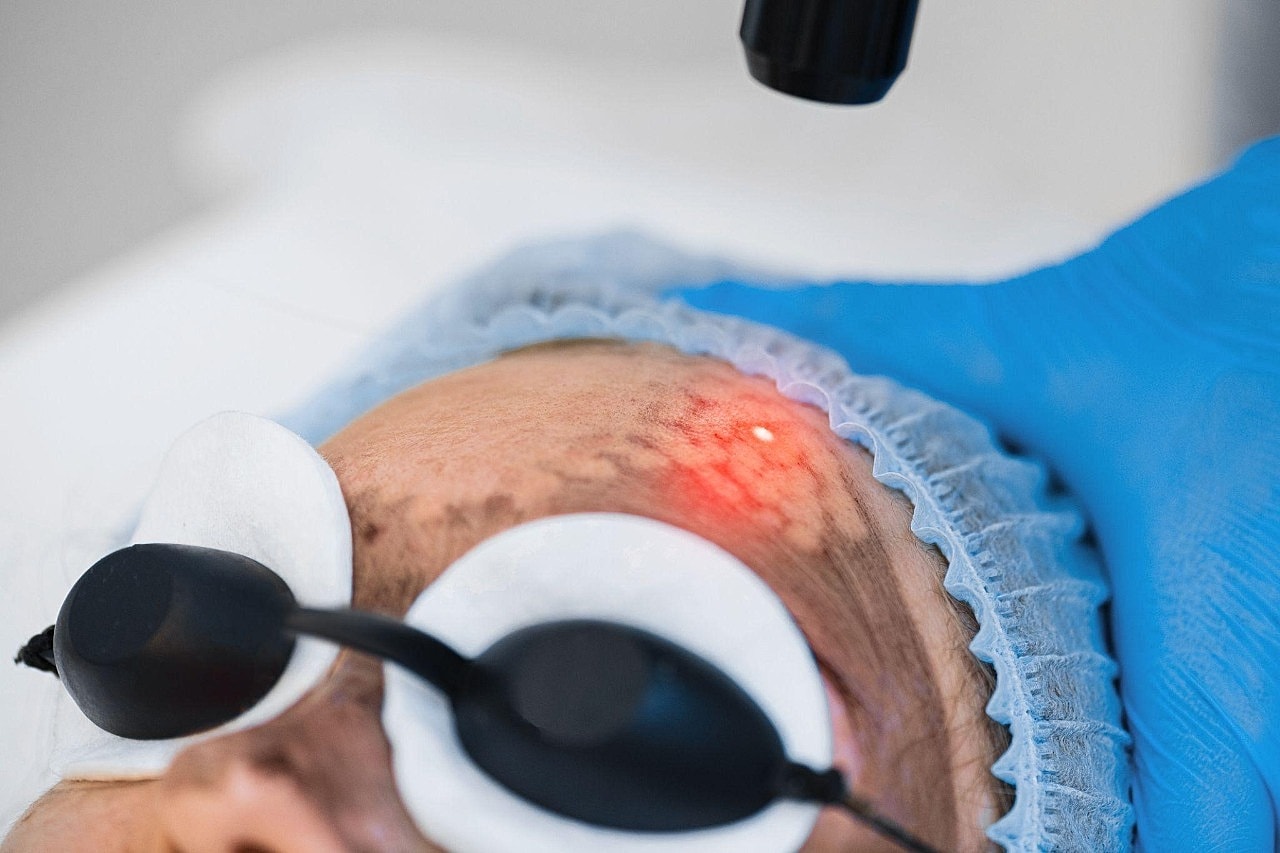
The Spectra Hollywood Peel uses a 1064 Q-switched Nd:YAG Spectra laser with a carbon-based lotion. Kucumber explains that the carbon lotion bonds with the top layer of skin cells, then the laser helps lift those cells away.
This treatment may help acne, acne scars, hyperpigmentation, melasma, dry skin, fine lines, texture, and tone. It can be a helpful option for people who want a lighter laser treatment that refreshes the skin without the downtime of deeper resurfacing.
Spectra Hollywood Peel may be especially helpful for post-inflammatory marks, oiliness, dullness, and uneven tone. It may not lift deep, depressed scars on its own, but it can be part of a plan when tone and clarity are major concerns.
CO2 Laser Resurfacing for Deeper Texture Concerns
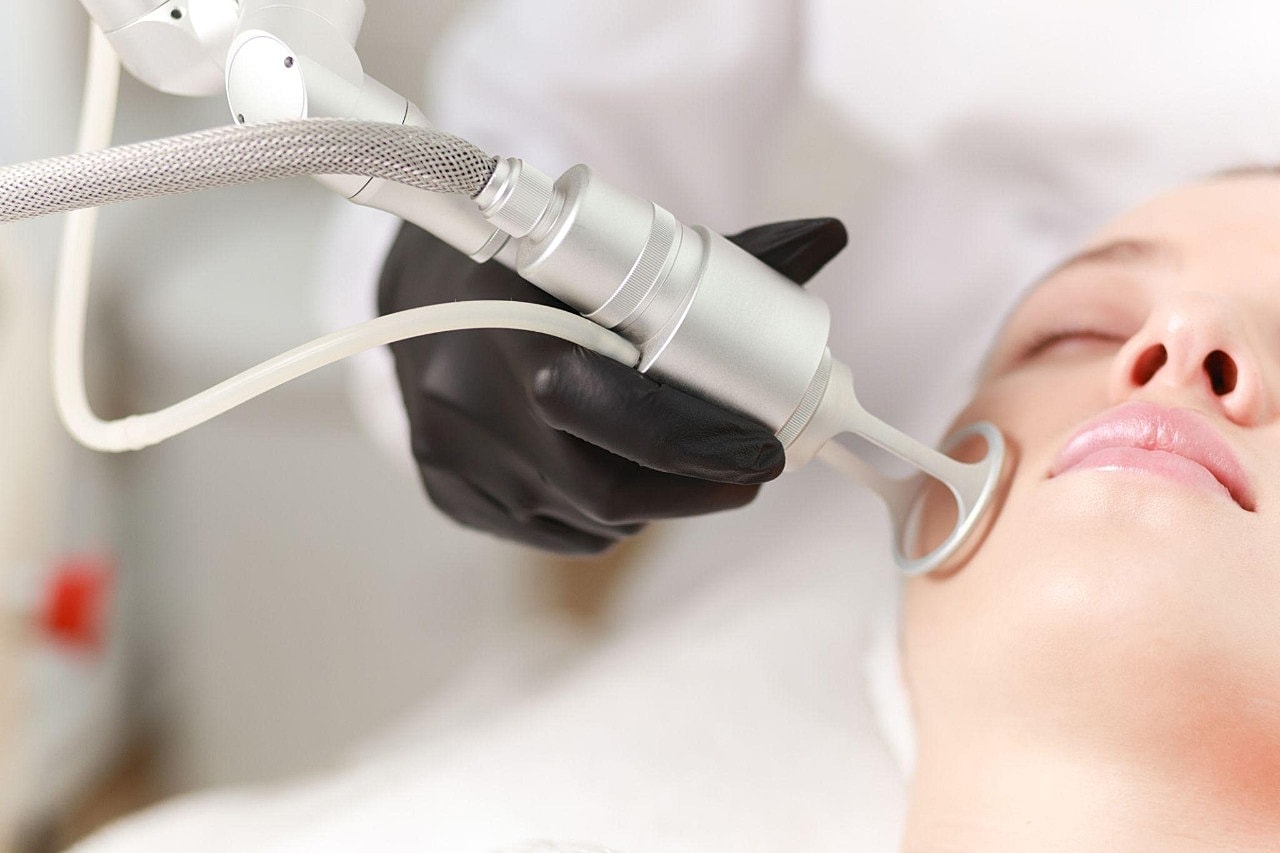
CO2 Laser Resurfacing is a stronger laser resurfacing treatment that can improve scars, wrinkles, hyperpigmentation, and texture by treating the skin more deeply. Kucumber Skin Lounge offers CO2 Laser Resurfacing with the SmartXide CO2 laser system and describes it as a treatment that removes dull and aging skin cells while supporting collagen production.
CO2 laser treatment may help deeper texture concerns, including certain boxcar scars and more visible acne scar irregularities. It can create more downtime than gentler treatments, so your provider should review healing, aftercare, sun protection, and candidacy carefully.
Which Acne Scar Treatment Is Right for You?
The best treatment depends on what your skin actually needs. A person with post-inflammatory discoloration may need a different treatment than someone with deep rolling scars or raised acne scars.
A provider should consider your scar type, skin tone, history of keloid scars, active acne, pain tolerance, downtime, and treatment goals before recommending a plan.
When One Treatment May Be Enough
One treatment may be enough for mild discoloration, dullness, or a light texture. For example, a Spectra Hollywood Peel, VI Peel, or Laser Skin Rejuvenation session may help skin look brighter and smoother.
Still, deeper acne scars usually take longer to fade. One treatment session can start improvement, but it rarely finishes the job.
When a Series of Treatments Works Better
A series of treatments often works better for depressed acne scars, boxcar scars, rolling scars, and mixed concerns. Collagen production takes time, so your results usually build over weeks and months.
A review in the medical literature notes that acne scar treatments can include chemical peels, laser therapy, radiofrequency, subcision, and microneedling, and results vary depending on scar type and treatment method.
What to Expect During Your Acne Scar Treatment Journey
Your first visit starts with a skin consultation. Your provider will review your acne history, scar type, current skincare, medications, sun exposure, and any past reactions to treatments.
Be open about concerns like keloid scars, cold sores, skin sensitivity, or dark marks after irritation. These details help your provider choose the safest treatment plan.
During Treatment
Microneedling may start with numbing cream. Chemical peels and VI Peels may feel warm, tingly, or tight. Spectra Hollywood Peel may feel like light snaps on the skin.
Laser Skin Rejuvenation and CO2 Laser Resurfacing vary in intensity. CO2 Laser Resurfacing may require more preparation, comfort support, and aftercare than lighter treatments.
Recovery and Aftercare
Redness, dryness, swelling, flaking, or peeling may happen after treatment. Lighter treatments usually have less downtime, while CO2 Laser Resurfacing often needs more careful recovery.
Sun protection is essential. Use broad-spectrum SPF, avoid picking, keep your skin moisturized, and follow your provider’s aftercare instructions to protect your results.
How Many Treatments Will You Need?
Most acne scar treatments need more than one session. Scar tissue changes slowly because collagen takes time to rebuild.
Microneedling, chemical peels, VI Peels, Laser Skin Rejuvenation, and Spectra Hollywood Peel often work best as a series, especially for discoloration and mild texture concerns.
CO2 Laser Resurfacing may create more noticeable improvement with fewer sessions, but it usually comes with more downtime and aftercare.
A personalized plan gives you the best chance of steady improvement.
Results: What Kind of Improvement Can You Expect?
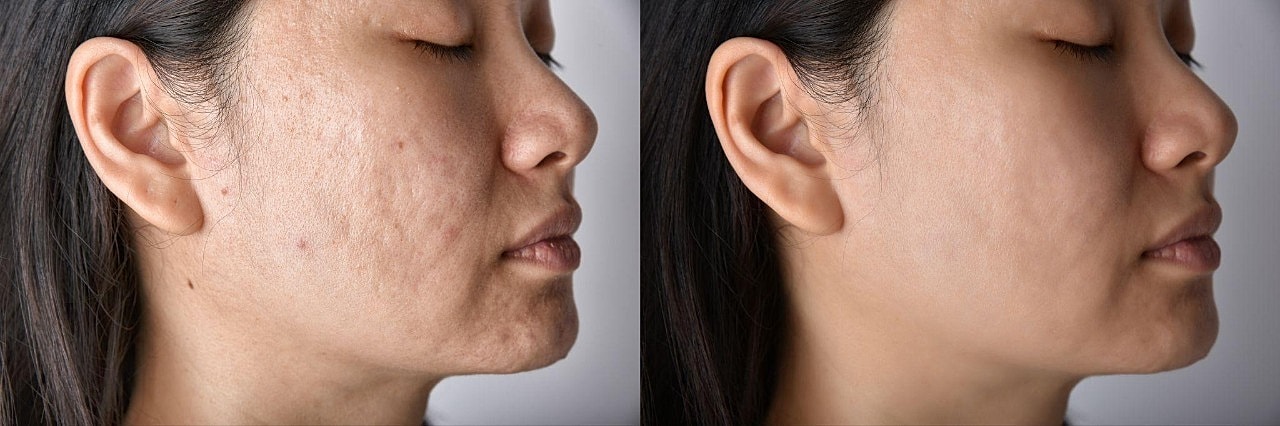
You may notice skin tone changes first. Redness may look calmer. Dark marks may start to fade. Your skin may look fresher, and makeup may sit more evenly.
Texture changes usually take longer. Treatments that stimulate collagen may continue working for months as the skin builds new collagen under the surface.
CO2 Laser Resurfacing may create more noticeable resurfacing for deeper concerns, while Laser Skin Rejuvenation and Spectra Hollywood Peel may be better for milder acne scars, tone, oiliness, and overall clarity.
Best results usually come from a realistic plan, consistent sessions, good aftercare, and ongoing acne control. If active acne continues, new scars can form, so treating acne and treating scars often go hand in hand.
Frequently Asked Questions About Acne Scar Treatment in Bellevue, WA
1. Can acne scars be completely removed?
Most acne scars cannot be completely removed. Professional treatments can improve the appearance of acne scars and make scars less noticeable, but no responsible provider should promise perfect skin.
2. What is the best treatment for acne scars?
The best treatment depends on your scar type. Microneedling may help with rolling scars and shallow boxcar scars. Chemical peels, VI Peels, Laser Skin Rejuvenation, and Spectra Hollywood Peel may help with discoloration and mild texture. CO2 Laser Resurfacing may help with deeper texture concerns.
3. Does microneedling work for acne scars?
Yes, microneedling can help improve acne scars by stimulating collagen production. It usually works best as a series of treatments.
4. Are chemical peels effective for acne scar treatment?
Chemical peels can help improve post-inflammatory marks, uneven skin tone, and mild surface texture. Deeper depressed scars may need microneedling, laser treatment, or a combination plan.
5. What is Laser Skin Rejuvenation used for?
Laser Skin Rejuvenation may help acne scars, uneven tone, redness, pigmentation, texture, and fine lines. It can be a good option for people who want smoother skin with less downtime than deeper resurfacing.
7. How long does it take to see results from acne scar treatment?
Tone may improve within weeks, but texture changes can take longer. Collagen remodeling often continues for several months after treatment.
Smoother Skin Starts With the Right Treatment Plan
Acne scars can feel frustrating because they stay long after active acne improves. But you do have options. Microneedling, chemical peels, VI Peels, Laser Skin Rejuvenation, Spectra Hollywood Peel, and CO2 Laser Resurfacing can all help improve skin texture, tone, and the appearance of acne scars.
The right treatment depends on your scar type, skin type, skin tone, active acne history, and comfort with downtime. Ice pick scars, boxcar scars, rolling scars, raised scars, and post-inflammatory marks do not all need the same approach.
At Kucumber Skin Lounge in Bellevue, WA, your provider can evaluate your skin and develop a treatment plan that aligns with your goals. Schedule a consultation to learn which acne scar treatment may help you move toward smoother, clearer-looking skin.
Metadescription:
Smooth acne scars with expert care in Bellevue, WA. Explore proven treatment options for clearer skin and book your consultation today!